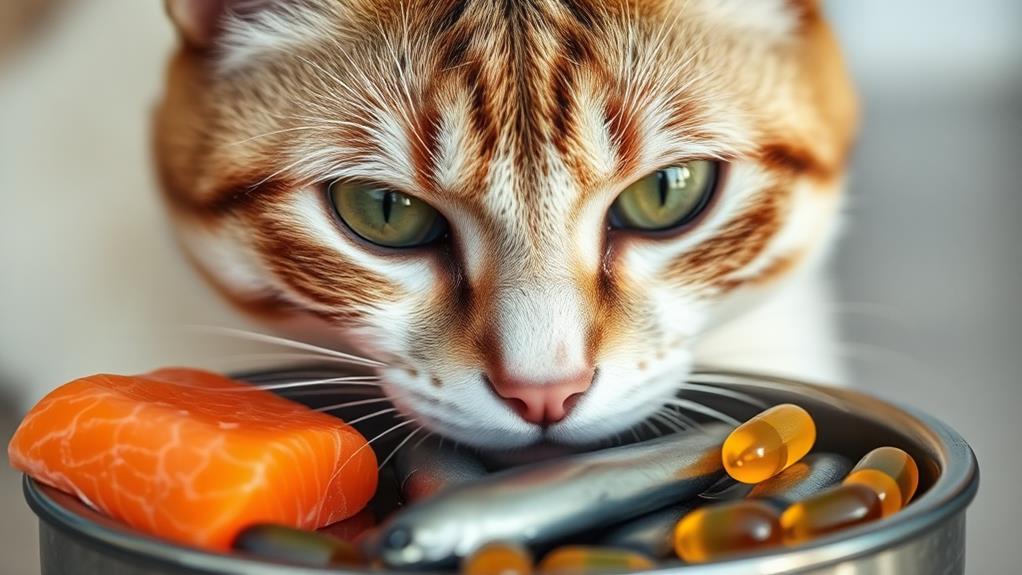
Senior cats need a diet tailored to their changing nutritional requirements for peak health. We recommend focusing on high-quality protein sources, with at least 30% protein on a dry matter basis, to maintain muscle mass. It’s vital to reduce calorie intake by 20-25% compared to younger cats, as seniors are less active. Hydration is key, so consider incorporating wet food and providing multiple water sources. Look for foods with essential fatty acids for joint health and immune function, and added fiber for digestion. Regular vet check-ups are fundamental to address common health issues and adjust their diet accordingly. By understanding these nutritional needs, we can guarantee our senior feline friends thrive in their golden years.
Key Takeaways
- Senior cats need high-quality protein sources like chicken or fish, comprising at least 30% of their diet on a dry matter basis.
- Increased hydration through wet food and multiple water sources is crucial for kidney health and overall well-being.
- Reduced calorie intake by 20-25% compared to younger cats helps maintain a healthy weight in less active seniors.
- Essential fatty acids, particularly omega-3s, support joint health and mobility in aging cats.
- Specialized diets may be necessary for common senior health issues like kidney disease, requiring veterinary consultation for personalized nutrition plans.
Defining Senior Cat Age
You may be interested

Defining a cat’s senior years isn’t as straightforward as you might think. We often assume all cats age at the same rate, but that’s not quite true. While many of us consider senior cats to be those 10 years or older, some breeds may actually enter their golden years as early as the age of seven. It’s important for us cat lovers to understand these nuances.
As our feline friends progress through life, they’ll eventually reach geriatric status, typically around 12 years old. This marks a significant milestone in their journey. By recognizing these age benchmarks, we can better care for our aging companions. Remember, every cat is unique, and factors like genetics and overall health play a role in determining when they truly become “senior.” Understanding these age classifications helps us provide the best care possible for our beloved pets.
Changing Nutritional Needs
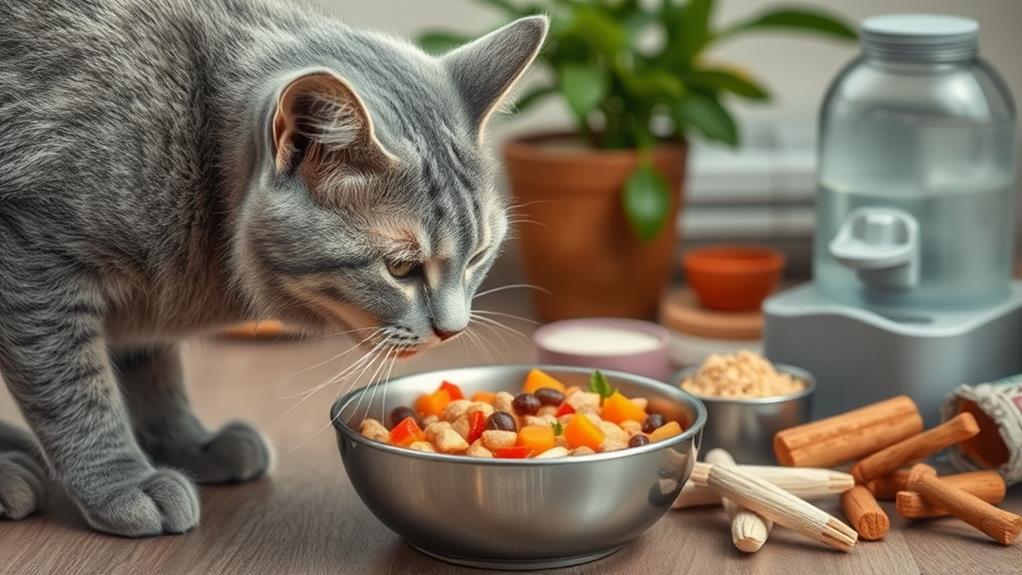
Adapting to our senior cats’ changing nutritional needs is fundamental for their health and longevity. As our feline friends age, we need to adjust their diets to support their evolving bodies. Let’s explore the key changes we should consider for healthy senior cats.
| Nutritional Focus | Senior Cat Needs | Recommended Action |
|---|---|---|
| Calories | 20-25% reduction | Lower-calorie senior cat foods |
| Protein | At least 30% dry matter | High-protein, low-carb diets |
| Hydration | Increased importance | Include wet food options |
We’ll want to prioritize high-protein, low-carbohydrate senior cat foods to maintain muscle mass and overall health. It’s important to increase moisture intake, as our aging kitties may have a decreased thirst drive. Remember, regular vet check-ups are significant for tailoring diets to individual needs, especially if our senior cats have specific health conditions. By understanding these changing nutritional needs, we can guarantee our beloved companions stay healthy and happy in their golden years.
Protein Requirements for Aging Cats
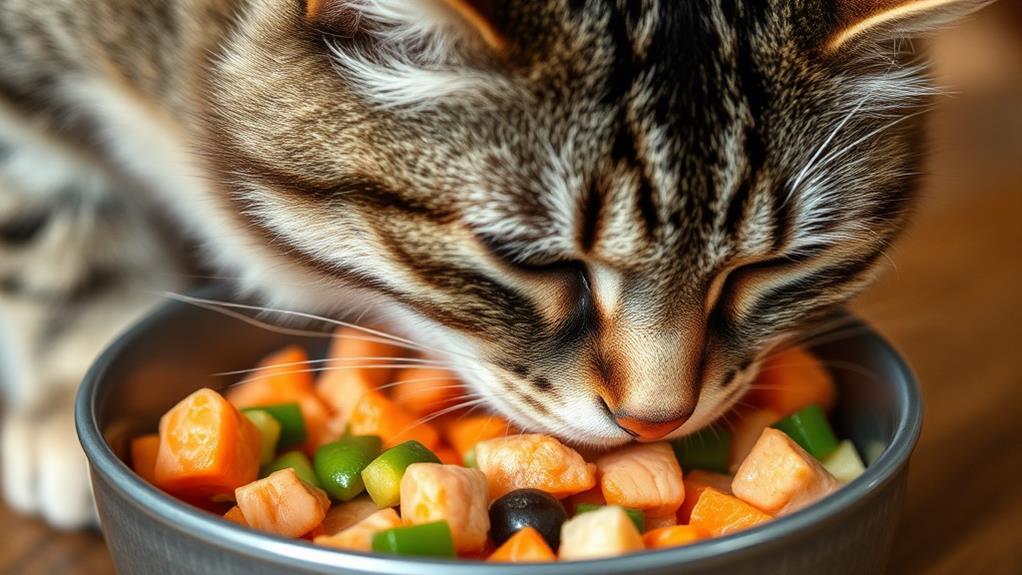
As we consider the protein requirements for our aging feline friends, it’s essential to focus on high-quality, digestible protein sources that support muscle mass maintenance. We’ll explore why senior cats need a protein-rich diet and how their ability to absorb nutrients changes with age, affecting their dietary needs. Understanding these factors will help us make informed decisions about our older cats’ nutrition, ensuring they receive the right balance of proteins to keep them healthy and active in their golden years.
Recommended Products

HIGH PROTEIN, NUTRIENT DENSE: Featuring wild-caught Mackerel and free-range Lamb, Organs, Bone, and New Zealand Green Mussels, this grain-free dog food delivers nutrition with a mouth-watering taste for all dogs. Gentle air dried processing retains the goodness of the raw ingredients. This food offers stimulating crunchy texture small enough for puppy food but soft enough for senior dog food.

REAL QUALITY VENISON - Imagine a bowl filled with air dried raw dog food made with real grade quality venison goodness. This high protein dog food will have your pup's tail thumping with joy. It's not just real meat air dried dog food; it's a meaty party for their taste buds, crafted with care

ALL-NATURAL RAW FROZEN DOG FOOD AND CAT FOOD: Raw Paws wild-caught salmon dog food roll and cat food roll is made from 100% wild caught salmon cats and dogs love. Our wild salmon cat food and dog food contains no preservatives, fillers or additives. This high-protein raw salmon dog food grain free blend is fully digestible, supports immunity, improves skin and coat health, supports oral hygiene and helps pets build and maintain lean muscle mass.
High-Quality Protein Sources
Throughout their golden years, senior cats require a diet rich in high-quality protein to maintain muscle mass and support overall health. As our feline friends age, their protein requirements become even more vital. We need to guarantee that our senior cats are getting the best nutrition possible, which means focusing on high-quality protein sources.
Chicken, turkey, and fish are excellent options for our aging companions. These protein sources are not only tasty but also easily digestible, which is essential for senior cats’ nutrient absorption and organ function. When selecting food for our older kitties, we should look for canned foods with at least 6% protein and dry kibble with 27% or higher. Remember, every cat is unique, so it’s always a good idea to consult with a veterinarian to tailor our furry friends’ diets to their specific needs.
Muscle Mass Maintenance
Maintaining muscle mass in senior cats is paramount for their overall health and quality of life. As our feline friends age, their bodies become less efficient at absorbing protein, making it vital for us to provide them with high-quality, easily digestible protein sources. We need to guarantee that our senior cats’ diets contain at least 30% dry matter protein to support their aging muscles.
Let’s focus on feeding our beloved senior cats high-protein, low-carbohydrate diets to help prevent obesity and maintain muscle mass. We can opt for wet or frozen raw foods that are rich in protein and easier for their bodies to process. Remember, we’re in this together, and by gradually shifting to senior-specific foods with higher protein content, we can help our furry companions age gracefully. Regular monitoring of their body condition score will help us keep them healthy and strong.
Digestibility and Absorption
Protein digestibility and absorption take center stage when it comes to meeting the nutritional needs of our aging feline companions. As our senior cats’ digestive efficiency decreases, it’s essential we choose highly digestible protein sources to guarantee they’re getting the most out of their food. We want to prioritize quality over quantity, opting for animal-based proteins that are easier for our furry friends to absorb and utilize.
When selecting food for our senior cats, we should look for formulations that include added amino acids and nutrients specifically tailored to support their aging bodies. These specialized diets can help maintain lean muscle mass and overall health. Remember, we’re in this together – regularly evaluating our cats’ protein intake and adjusting their diets based on individual needs is key to keeping our senior felines happy and healthy for years to come.
Hydration and Senior Cat Health
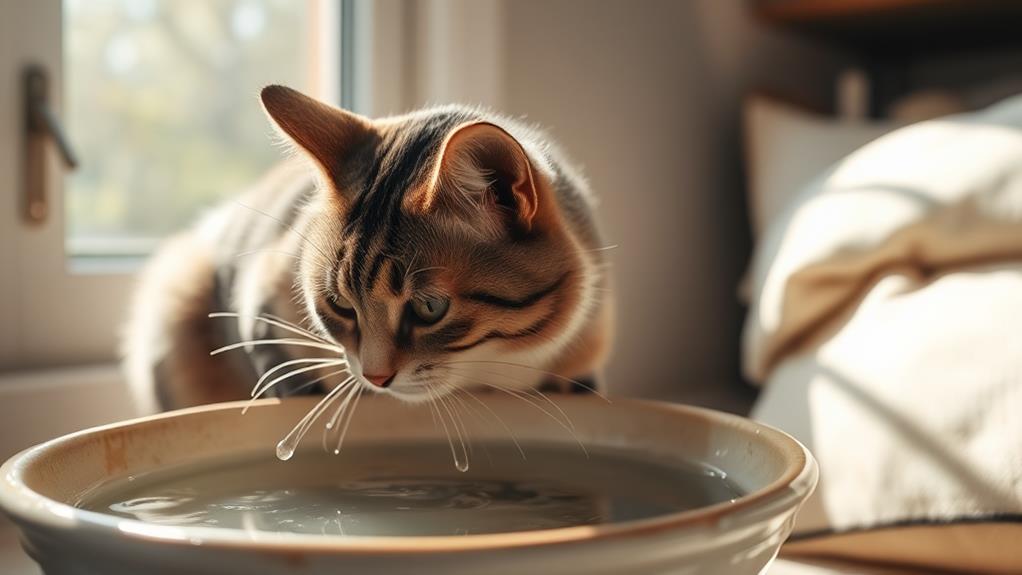
Why is hydration so vital for our senior feline friends? As cats age, their thirst drive often decreases, making it essential for us to guarantee they’re getting enough water. Proper hydration supports kidney health and overall well-being in our older cats. Let’s explore some ways we can help our senior kitties stay hydrated:
| Strategy | Benefits | Implementation |
|---|---|---|
| Multiple water bowls | Increased access | Place throughout home |
| Wet food | Higher moisture content | Incorporate into diet |
| Monitor intake | Prevent dehydration | Check water levels daily |
We can’t stress enough how important it is to keep our senior cats well-hydrated. By providing easy access to fresh water and incorporating wet food into their diet, we’re helping to prevent chronic dehydration and potential health issues. Remember, our furry companions rely on us to keep them healthy and happy in their golden years.
Weight Management Strategies
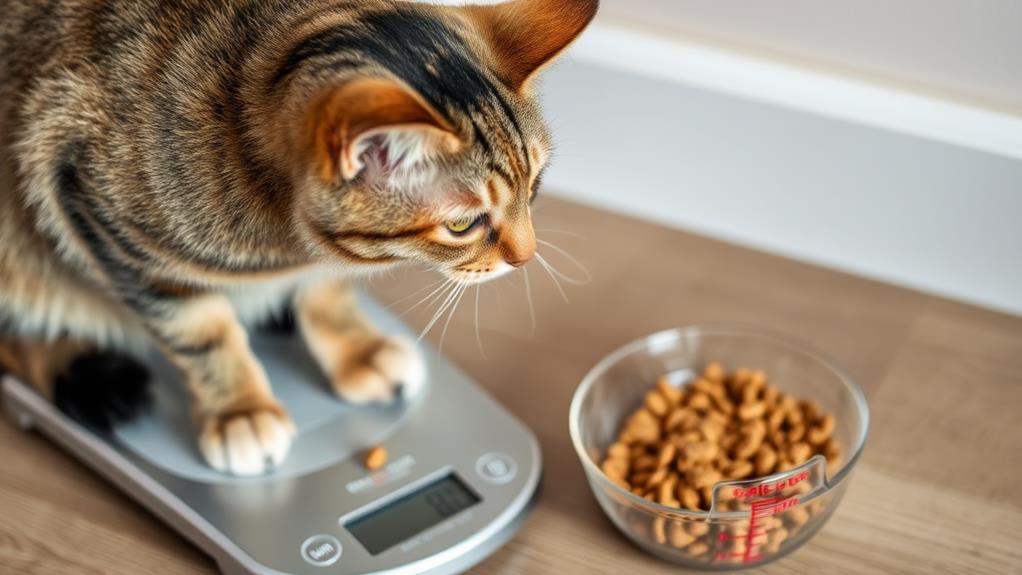
Our senior cats’ weight management requires careful attention and strategy. We need to be mindful that our aging feline friends often need 20-25% fewer calories to maintain a healthy weight. Even a small excess of 10 calories daily can lead to significant weight gain over time. To keep our senior cats in top shape, we should:
- Monitor body condition regularly
- Adjust portions based on activity level
- Provide smaller, more frequent meals
- Choose senior-specific weight management diets
It’s important that we, as cat parents, keep a food diary to track our furry companions’ eating habits. This helps us spot any changes in appetite that might signal health issues. By focusing on a proper senior diet and calorie intake, we’re not just managing weight – we’re enhancing our beloved cats’ quality of life and longevity.
Recommended Products

PET FOOD MAKER - With four modes of fresh, fish, pulse and clean, it realizes one-bowl cooking + mixing in one. Can prepare homemade fresh food for dogs and cats on one pet food machine, helping to simplify daily fresh feeding without complicated cooking steps.

MADE WITH WHOLESOME INGREDIENTS YOU CAN TRUST: Every Inaba product is made with yummy, human-grade ingredients including farm-raised chicken and/or wild-caught tuna

Premium freeze dried raw dog food made with fresh, cage-free turkey raised without antibiotics, steroids or added hormones, wild-caught sardines and USDA organic fruits & vegetables. Grain free
Addressing Common Health Issues
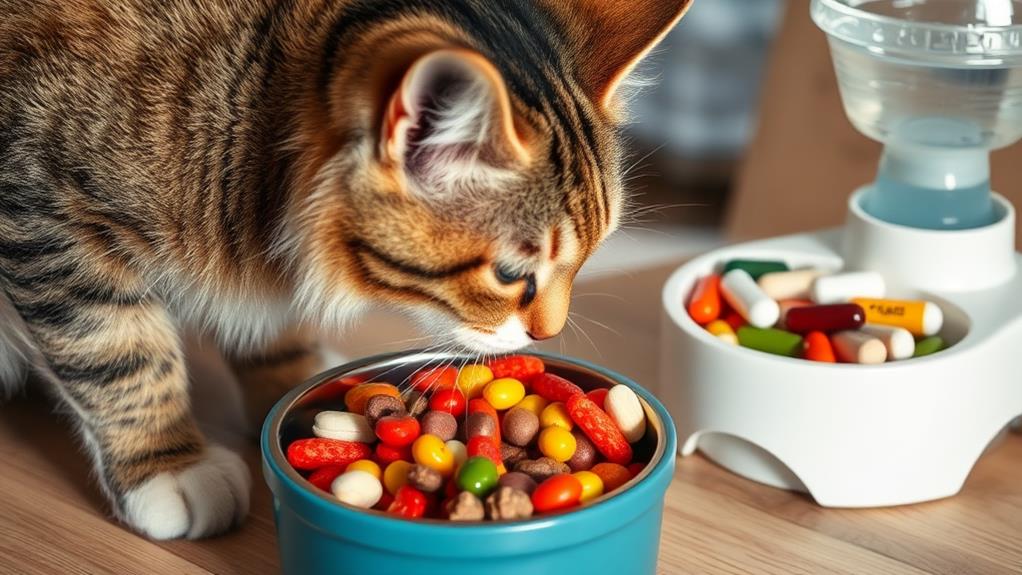
When it comes to addressing common health issues in senior cats, we’ll focus on two vital areas: joint health and kidney disease management. Let’s first explore how we can support our aging feline friends’ joint health through diet, including the incorporation of omega-3 fatty acids and glucosamine. Then, we’ll discuss strategies for managing kidney disease in senior cats, particularly through carefully tailored diets that are lower in phosphorus and higher in moisture content.
Recommended Products

HELPS BUILD MUSCLE CaHMB 500 mg and Vitamin D3 : Pets often lose muscle mass as they age, resulting in difficulty moving as freely . Adding a daily serving of MUSCLEX Canine Muscle Supplement for Dogs to your pet’s diet is shown to help support their muscle health, muscle structure, flexibility, and daily movement.. Dogs that have experienced muscle loss due to normal aging, surgery or injury now have an all natural supplement that addresses canine muscle atrophy.

HELPS BUILD MUSCLE with 300 mg CaHMB & Vitamin D3 : Pets often lose muscle mass as they age, resulting in difficulty moving as freely. Adding a daily serving of MUSCLEX Canine Muscle Supplement for Dogs to your pet’s diet is shown to help support their muscle health, muscle structure, flexibility, and daily movement.. Dogs that have experienced muscle loss due to normal aging, surgery or injury now have an all natural supplement that addresses canine muscle atrophy.

HELPS BUILD MUSCLE CaHMB 500 mg and Vitamin D3 : Pets often lose muscle mass as they age, resulting in difficulty moving as freely . Adding a daily serving of MUSCLEX Canine Muscle Supplement for Dogs to your pet’s diet is shown to help support their muscle health, muscle structure, flexibility, and daily movement.. Dogs that have experienced muscle loss due to normal aging, surgery or injury now have an all natural supplement that addresses canine muscle atrophy.
Joint Health Solutions
Aging felines often face challenges with joint health, particularly as arthritis becomes more prevalent in their golden years. We can help our senior kitties maintain mobility and comfort by focusing on joint health solutions. High-protein diets are essential for supporting muscle maintenance and promoting a healthy body condition, which can alleviate arthritis symptoms. Additionally, we should consider incorporating supplements like omega-3 fatty acids and glucosamine into their diet to improve joint health and mobility.
Let’s not forget the importance of regular play and exercise for our older feline friends. These activities contribute to muscle strength and flexibility, vital for maintaining joint health. To further enhance their comfort, we can provide heated beds that help reduce joint pain. By implementing these strategies, we’re not just addressing arthritis; we’re ensuring our beloved senior cats enjoy a higher quality of life.
Managing Kidney Disease
How can we best support our senior cats facing kidney disease? When it comes to managing this condition in our feline friends, a balanced diet plays an essential role. We need to focus on providing high-quality protein sources while reducing overall protein intake to ease the workload on their kidneys. It’s also vital to restrict phosphorus and increase hydration through wet food options. Let’s consider these key points for our senior cats with kidney disease:
- Choose foods formulated specifically for renal health
- Incorporate omega-3 fatty acids from fish oil
- Offer wet food to increase fluid intake
- Monitor kidney function through regular vet check-ups
- Adjust the diet as needed based on blood test results
Choosing the Right Senior Food
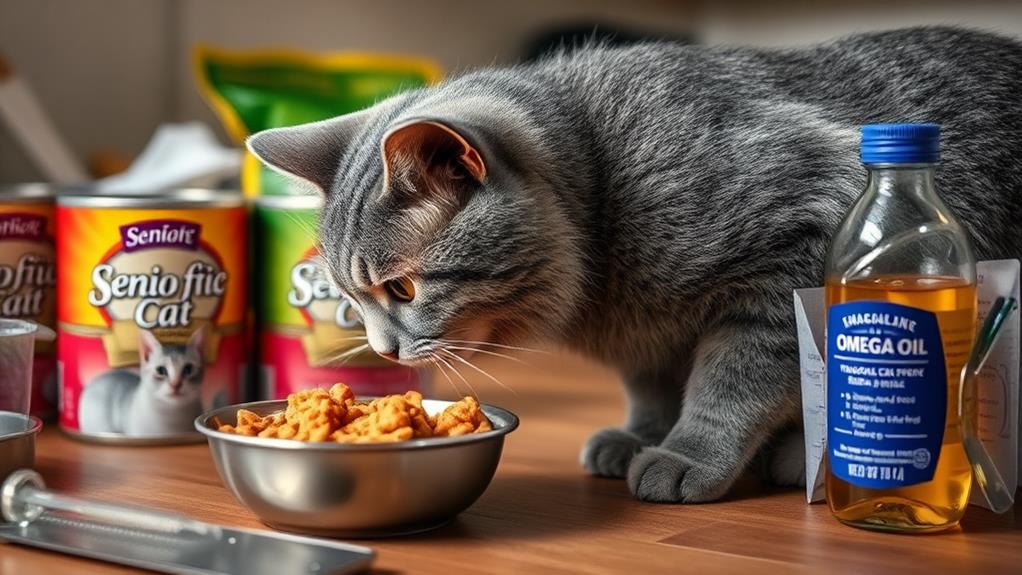
Choosing the right food for your senior cat isn’t just about grabbing any bag labeled “senior” off the shelf. We need to take into account our feline friend’s specific nutritional needs and any underlying health issues they may have. Look for senior cat food with at least 30% protein on a dry matter basis to help maintain muscle mass. We’ll want to opt for lower-calorie options, as our older kitties tend to be less active.
Don’t forget about those essential fatty acids for joint health and antioxidants to boost their immune system. Fiber is vital too, helping with digestion and weight control. If your cat has kidney problems or diabetes, we’ll need to be extra careful in our selection. Remember, we’re in this together! Let’s consult with a vet to tailor the perfect diet for our senior companion.
Recommended Products


SINGLE INGREDIENT, BONITO — Made with 100% pure wild-caught bonito fish. Simple, clean, fish-first nutrition designed to support healthy muscles, energy, and everyday wellness.

#1 Ferret Diet Sold Worldwide
Feeding Schedule and Portion Control
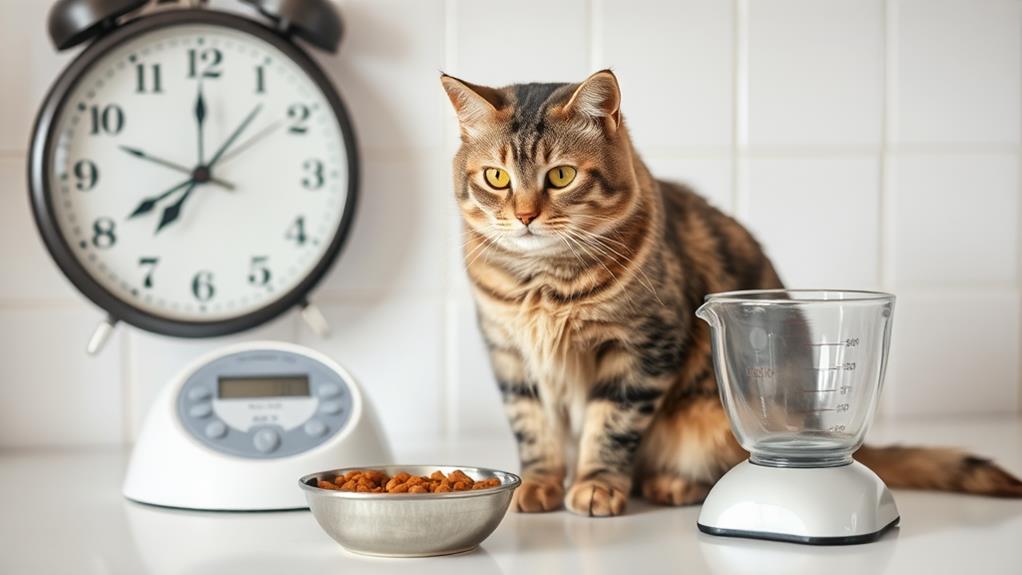
As our feline friends enter their golden years, establishing a proper feeding schedule and controlling portions become essential aspects of their care. We need to adapt our approach to meet their changing nutritional needs. For senior cats, smaller, more frequent meals throughout the day can aid digestion and prevent overwhelming their systems. It’s vital to monitor portion sizes carefully, adjusting them based on individual weight and activity levels to maintain a healthy weight.
Here are some key points to remember:
- Reduce daily calorie intake by 20-25% for senior cats
- Follow feeding guidelines on cat food packaging
- Establish a consistent feeding schedule
- Weigh your cat regularly and adjust portions accordingly
- Provide smaller, more frequent meals
Recommended Products

Collar Tag Sensor-Activated Personalized Meals: Each cat wears a unique RFID tag. The feeder opens only when the designated cat approaches, keeping others away from food they shouldn’t eat.

Keep Wet and Fresh Pet Food Cold: 40°F refrigeration with patented dual semiconductor cooling helps keep fresh pet food chilled and ready for serving. Designed for optimal performance in spaces under 85°F
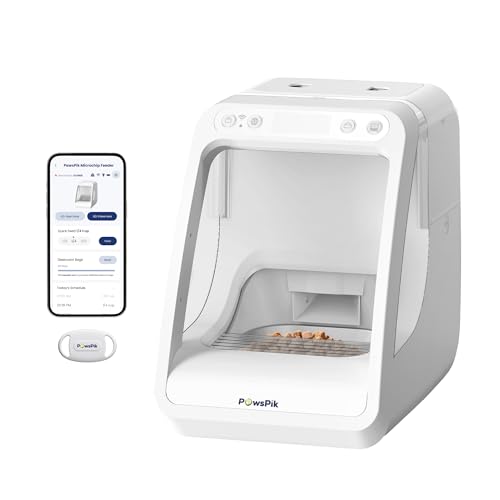
[Smart Access with RFID & Microchip Recognition] Prevents food stealing and ensures dietary control by granting access only to the pet with the assigned microchip or RFID tag. Note: Each feeder works for one pet only. For multiple pets, use one feeder per pet.
Frequently Asked Questions
What Is the Best Food to Feed an Elderly Cat?
We recommend high-quality wet food for our elderly feline friends. It’s great for their hydration needs and can be easier to eat. Don’t forget special diets and nutritional supplements tailored to their unique requirements. Let’s keep our senior kitties healthy together!
Is Wet or Dry Food Better for Senior Cats?
Like Goldilocks finding the perfect porridge, we’re seeking the ideal meal for our senior feline friends. We often recommend wet food for its hydration benefits, while dry food’s drawbacks include less moisture. Let’s prioritize our kitties’ health together!
What Should I Feed My Cat According to Age?
We should adapt our cat’s diet based on age-related nutrition needs. Let’s consider dietary restrictions and adjust feeding frequency as they grow. Together, we’ll guarantee our feline friends get the right nutrition at every stage of life.
What Is the Suggested Feeding Guideline for a Senior Cat?
Like a fine-tuned orchestra, we’ll guide you through senior cat nutrition. We recommend frequent, smaller meals, adjusting portions based on your kitty’s needs. Let’s work together to make dietary adjustments that keep our feline friends healthy and happy!