Indoor cats need proper hydration just as much as their outdoor counterparts. We often overlook this vital aspect of feline health, but it’s essential for preventing serious medical conditions. Cats have a low thirst drive, making them prone to dehydration, which can lead to kidney problems, urinary tract issues, and digestive complications. Even in a controlled environment, indoor cats require about 4 ounces of water per 5 pounds of body weight daily. Providing multiple water sources, incorporating wet food into their diet, and monitoring their water intake are key strategies for ensuring ideal hydration. By understanding and addressing our indoor cats’ hydration needs, we can greatly improve their overall health and well-being. Let’s explore how to keep our feline friends properly hydrated.
Key Takeaways
- Indoor cats need proper hydration to maintain kidney function and prevent urinary tract issues.
- Adequate water intake helps prevent digestive system complications like constipation and inflammatory bowel disease.
- Proper hydration supports overall health, energy levels, and normal bodily functions in indoor cats.
- Indoor cats often have a low thirst drive, making it crucial to encourage water consumption through various methods.
- Hydration is essential for regulating body temperature and maintaining proper organ function in indoor environments.
Understanding Feline Hydration
You may be interested

Understanding feline hydration is essential for indoor cat owners. We need to recognize that our feline friends have a low thirst drive, inherited from their wild ancestors. This means they may not drink enough water on their own, which can lead to dehydration and serious health issues, including kidney problems. To keep our cats healthy, we should aim for them to consume about 1 cup of water daily for every 10 pounds of body weight.
We can help our cats stay hydrated by providing multiple water sources and incorporating wet food into their diet. Wet food’s high moisture content (70-80%) greatly contributes to their overall hydration. By understanding these needs, we’re better equipped to care for our furry companions and prevent potential health complications. Remember, proper hydration is key to maintaining our cats’ well-being and ensuring they lead happy, healthy lives.
Indoor Cat Water Requirements
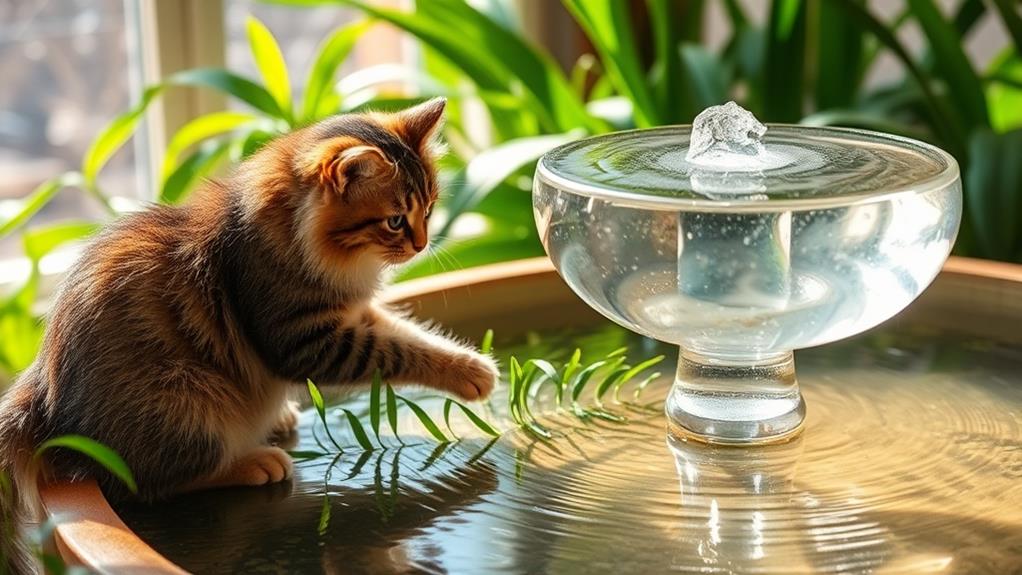
Now that we’ve grasped the importance of feline hydration, let’s focus on specific water requirements for indoor cats. Our feline friends typically need about 4 ounces of water per 5 pounds of body weight daily. For a 10-pound cat, that’s roughly 1 cup of water each day. However, cat water intake can vary based on their diet and individual needs. Cats on dry food diets require more water to compensate for the lower moisture content, while those eating wet food may need less due to its higher water content.
We can promote proper hydration by providing multiple water sources throughout our homes. Fresh, clean water in ceramic or stainless steel bowls is more appealing to our cats. Remember, adequate access to water is essential for preventing dehydration and maintaining our feline companions’ overall health.
Recommended Products

MADE IN USA: All Americat Company cat products are made in the USA from U.S. materials for safety, quality, and durability. We are a cat-loving, woman-owned business. Our products appeal to cats' natural instincts and give peace of mind to cat parents everywhere!

Expertly handcrafted in Poland by skilled artisans, each piece reflects generations of ceramic tradition, offering exceptional durability, authentic charm, and timeless beauty for your home.

WHISKER FRIENDLY DESIGN: Havniva elevated cat bowls feature an extra wide opening, the cat food bowl (5.6”) and shallow dishes (6”) greatly prevent cat's whiskers from touching the edge of the bowls while eating, which eliminates whisker fatigue — a common reason why cats leave food uneaten or act picky. It’s suitable for multiple cat household.
Risks of Chronic Dehydration
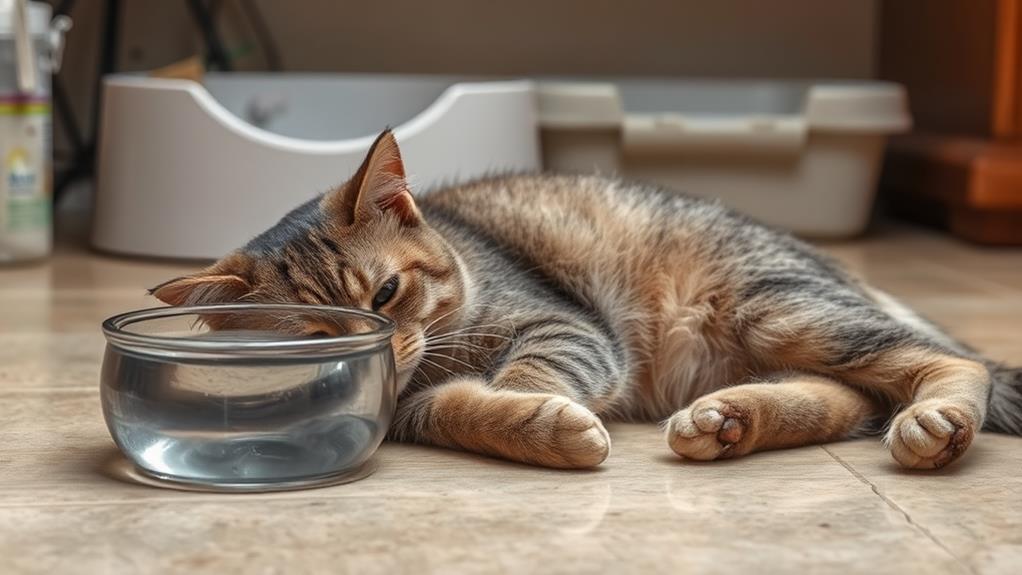
Let’s explore some of the serious risks associated with chronic dehydration in indoor cats, starting with three critical areas of concern. We’ll first consider how insufficient water intake can impair kidney function, potentially leading to long-term renal issues. Next, we’ll examine the connection between dehydration and urinary tract problems, which can be particularly dangerous for male cats. Finally, we’ll look at how a lack of proper hydration can wreak havoc on a cat’s digestive system, causing discomfort and health complications.
Kidney Function Impairment
Kidney health is a cornerstone of overall feline well-being, and chronic dehydration poses a significant threat to this essential organ system. We need to understand that our indoor cats rely on adequate water intake to maintain proper kidney function. When our feline friends don’t get enough water, their kidneys struggle to filter waste and balance electrolytes, leading to impaired kidney function. This can result in concentrated urine, increasing the risk of urinary tract diseases and kidney stones.
We’ve learned that cats with chronic kidney disease often show signs of dehydration, emphasizing the importance of continuous water availability. By regularly monitoring our cats’ hydration levels, we can detect early signs of dehydration and prevent serious health issues. Let’s work together to guarantee our beloved companions stay well-hydrated, protecting their kidneys and overall health.
Urinary Tract Issues
While kidney health is vital, chronic dehydration in indoor cats can also wreak havoc on the urinary tract. We’ve seen that cats who primarily consume dry food are at a higher risk of developing urinary tract issues. These problems, including urinary stones and feline lower urinary tract disease (FLUTD), often stem from inadequate water intake.
When our feline friends don’t get enough hydration, their urine becomes concentrated, increasing the likelihood of crystal formation and urinary blockages. This is especially dangerous for male cats, as it can lead to life-threatening emergencies. To keep our kitties healthy, we need to guarantee they’re drinking enough water or consuming wet food. If we notice signs like straining to urinate or blood in the urine, it’s vital to seek veterinary care promptly. By prioritizing proper hydration, we can markedly reduce the risk of these painful and potentially serious urinary tract issues.
Digestive System Complications
A cat’s digestive system bears the brunt of chronic dehydration, leading to a cascade of complications. We’ve seen how inadequate water intake can cause constipation and increase the risk of inflammatory bowel disease. But that’s not all, folks. Proper hydration is vital for maintaining overall health and preventing gastrointestinal issues in our feline friends.
Let’s break down the impact of dehydration on a cat’s digestive system:
| Complication | Cause | Effect |
|---|---|---|
| Constipation | Insufficient water | Hard, dry stools |
| IBD | Dehydration | Vomiting, diarrhea |
| Gallbladder issues | Concentrated bile | Digestion problems |
| UTIs | Concentrated urine | Bladder irritation |
| Electrolyte imbalance | Long-term dehydration | Impaired digestion |
As we can see, ensuring proper hydration is essential for maintaining a healthy digestive system in our beloved indoor cats.
Signs of Inadequate Water Intake
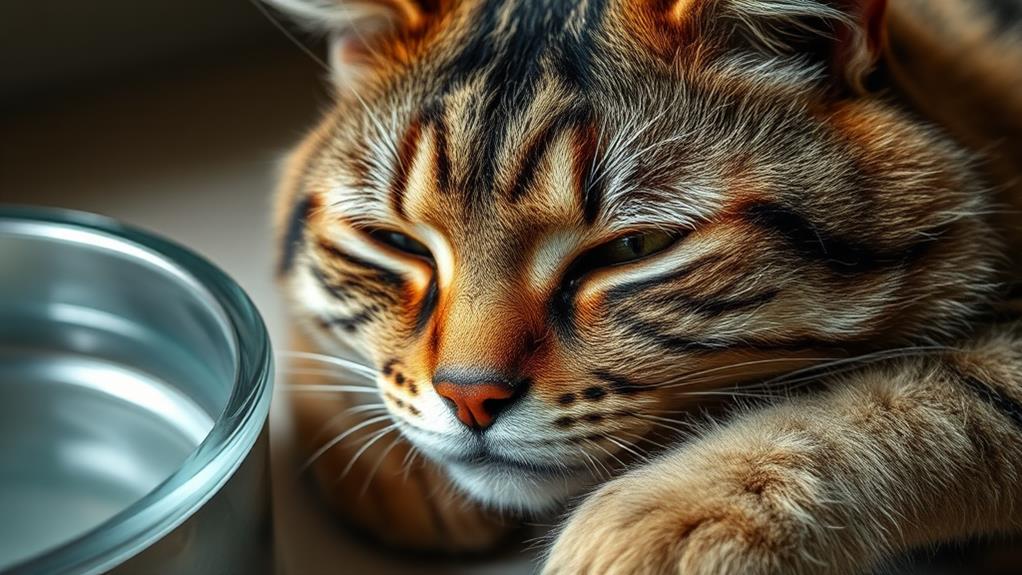
Let’s explore the signs that our indoor feline friends might not be getting enough water, which can be essential for their health and well-being. We’ll look at physical symptoms that can manifest when cats aren’t properly hydrated, changes in their behavior that might signal a problem, and indicators related to their urinary habits. Understanding these signs can help us guarantee our cats stay healthy and well-hydrated, so let’s examine each aspect in detail.
Physical Symptoms
Cat owners need to be vigilant for signs of dehydration in their feline friends. We can spot several physical symptoms that indicate our indoor cats aren’t getting enough water. Dry gums and mouth, instead of moist and pink, are telltale signs of inadequate hydration. We might also notice lethargy or depression, with our usually active cats becoming less playful. A decrease in appetite often accompanies dehydration, which can lead to further health issues. One key indicator we shouldn’t overlook is reduced skin elasticity. If we gently lift our cat’s skin and it doesn’t quickly return to its original position, it’s a red flag for dehydration. Additionally, we should pay attention to decreased urination frequency. If our cats are using the litter box less than 1-3 times daily, it’s time to address their water intake and overall health and well-being.
Behavioral Changes
Our feline friends’ behavior can reveal a lot about their hydration status. When cats aren’t getting enough water, we might notice some telltale signs. Increased lethargy and reduced activity levels are common behavioral changes that can indicate inadequate water intake. We may also observe a decreased appetite, as dehydration can make our kitties feel unwell. If we see our cats hiding or seeking cooler spots more often, it could be a sign they’re trying to cope with discomfort from dehydration.
Changes in drinking habits, like less frequent visits to water bowls, are important to watch for as they can signal insufficient water consumption. Irritability or increased aggression might also occur due to the stress of dehydration. By staying attuned to these behavioral changes, we can guarantee our indoor cats maintain proper hydration and overall well-being.
Urinary Output Indicators
A watchful eye on the litter box can reveal important clues about our indoor cats’ hydration status. We should be alert to signs of inadequate water intake, such as decreased urination frequency. If our feline friends are visiting the litter box less than 1-3 times daily, it may indicate dehydration. Let’s also pay attention to the appearance of their urine; concentrated, darker urine with a strong odor suggests insufficient hydration.
Monitoring changes in urinary output is vital for our cats’ health. If we notice them straining to urinate or producing only small amounts, it’s time to take action. Proper hydration is necessary to prevent urinary tract issues, including the formation of crystals or stones. By keeping tabs on these urinary output indicators, we can guarantee our beloved indoor cats maintain ideal hydration levels and overall well-being.
Encouraging Proper Hydration Habits
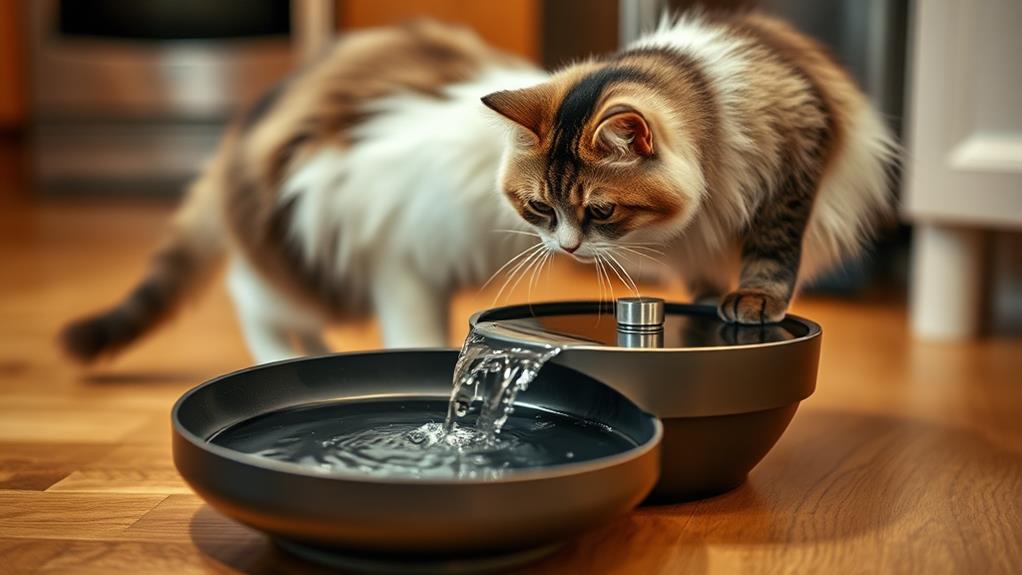
Throughout the day, we can employ several strategies to encourage our feline friends to stay properly hydrated. By providing multiple water bowls around the home, we increase accessibility and encourage our cats to drink more frequently. Adding ice cubes to their water bowls can pique their interest, while shifting to wet cat food greatly boosts their overall water intake. Interactive water fountains that mimic running water appeal to our cats’ natural instincts, making hydration more enticing.
To prevent dehydration in cats and promote proper water intake, we can:
- Place fresh water in various locations
- Experiment with different types of food and water bowls
- Regularly clean and refill water sources
- Introduce wet cat food to their diet
Recommended Products

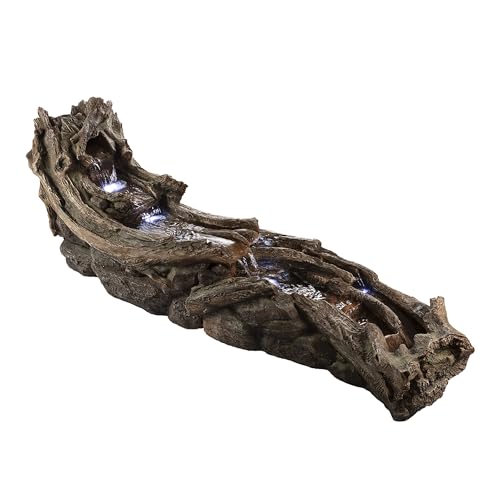
Rustic Log River Design: Featuring a natural wood river log appearance, this 80" fountain brings a rustic, nature inspired charm to gardens, patios, or yards, creating a unique focal point in any outdoor space.

Hand-cast using real crushed stone bonded with high quality designer resin
Water Sources for Indoor Cats
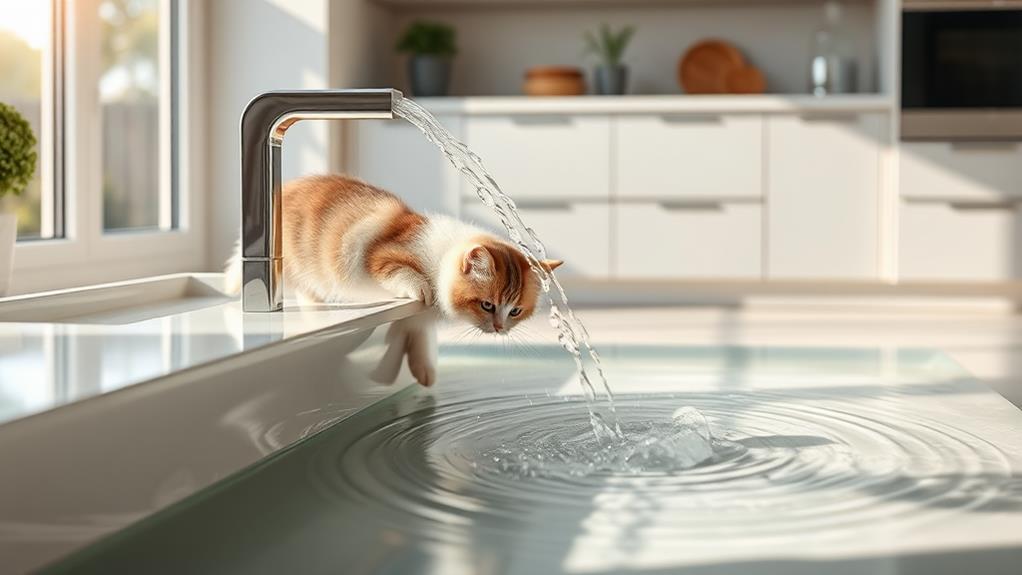
Indoor cats have several options when it comes to water sources, and it’s vital to provide them with accessible, clean, and appealing choices. To keep your cat hydrated, we recommend placing multiple cat water bowls throughout your home. This strategy can encourage them to drink more water daily, especially when bowls are situated away from food and litter areas.
For our feline friends who prefer running water, cat water fountains can be a great addition. These fountains not only entice dehydrated cats but also help maintain overall water freshness. We’ve found that using shallow, wide bowls can make drinking more comfortable for our whisker-sensitive companions. Remember, regularly renewing and cleaning water sources is important to encourage healthy hydration habits. By offering various options and keeping them clean, we can guarantee our indoor cats drink more water and stay properly hydrated.
Recommended Products

SIZE: 60" W x 40" H x 1.25" D. Orientation of canvas is horizontal.

10L Mega Capacity for monthly water needs: Daily fresh water protection and smart dual 5L reservoir system (338oz total), 20-day water supply on a single fill. Our large cat water fountain is perfect for households with multiple cats & dogs. Even when you're away, your beloved pet can drink worry-free at home. Uninterrupted Hydration, the drinking bowl features a multi-level designed 2000ml water storage area keeps flow going during power outages.
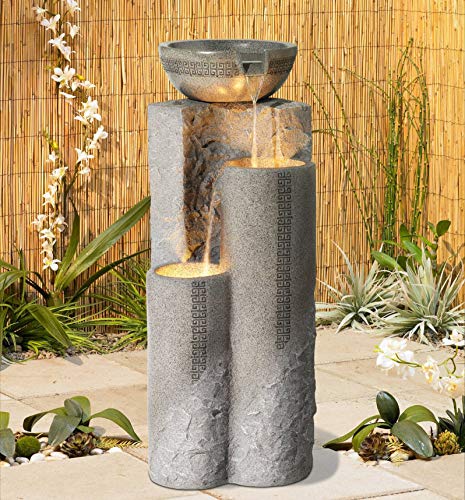
【Specifications】 34 1/2" high x 15" wide x 17" deep. Holds approximately 1.5 gallons of water. Weighs 32 lbs. Built-in LED lights in two lower water basins for night illumination. Lights are on all the time when pump is on.
Diet and Hydration Connection
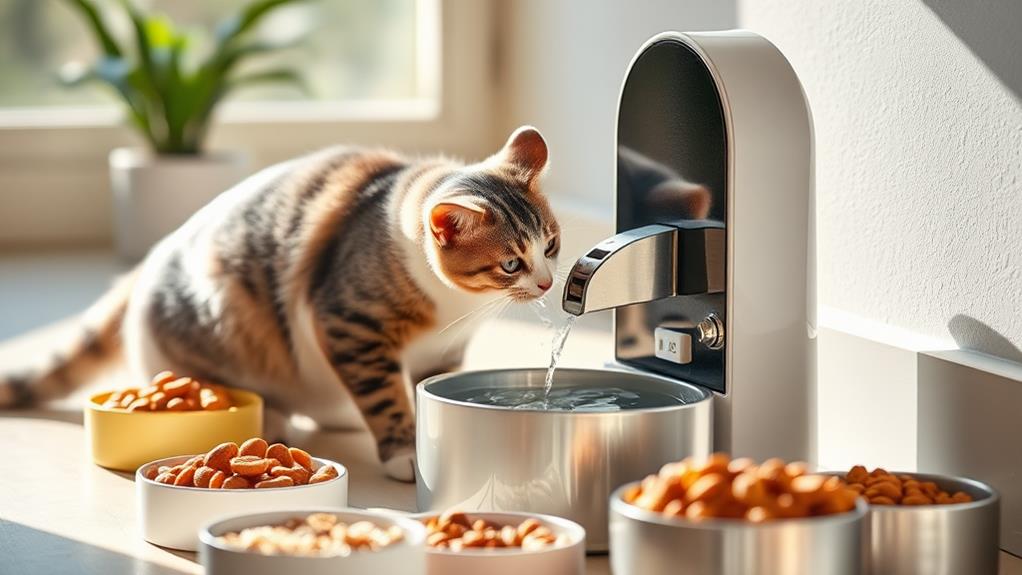
While many cat owners focus solely on providing fresh water, the diet we choose for our indoor cats plays an essential role in their hydration. We need to understand that cats consuming dry food require 2.5 times more water than the amount of kibble they eat. Wet or canned food, containing 70-80% moisture, markedly contributes to our feline friends’ daily water intake. To guarantee proper hydration, we can mix wet and dry food or add water to kibble, increasing its moisture content.
Let’s consider these emotional aspects of our cats’ hydration:
- The joy of seeing our cats healthy and well-hydrated
- The peace of mind knowing we’re preventing dehydration-related issues
- The satisfaction of providing a balanced diet that meets all their needs
- The connection we feel when caring for our furry family members
Recommended Products

Long Lasting Ice Pack Sheet: Ice sheets for coolers stay flexible when frozen and are great for shipping. Soak, dry off, freeze, then use ice pack sheets, which hold 25 times their weight in water, expanding to a flexible frozen ice pack about 1 inch thick, holding in water as they melt to prevent a soaking watery mess.

Long Lasting Ice Pack Sheet - You will get 500 reusable flexible ice blankets, each ice sheet measures 13'' x 7'', 2 x 6 cells, can be cut in cells to fit any size container thanks to its unique seam technology, maintains cold temperature for 24 hours in an insulated container.

Dual-Cat Exclusive Feeding System Pack of 2: This matched pair of Petlibro automatic cat feeders operates simultaneously yet independently, each recognizing its assigned cat through unique RFID collar tags. Adjust the lid speed to suit your cat's comfort level. (Only supports the included RFID collar tag.)
Monitoring Your Cat’s Water Consumption
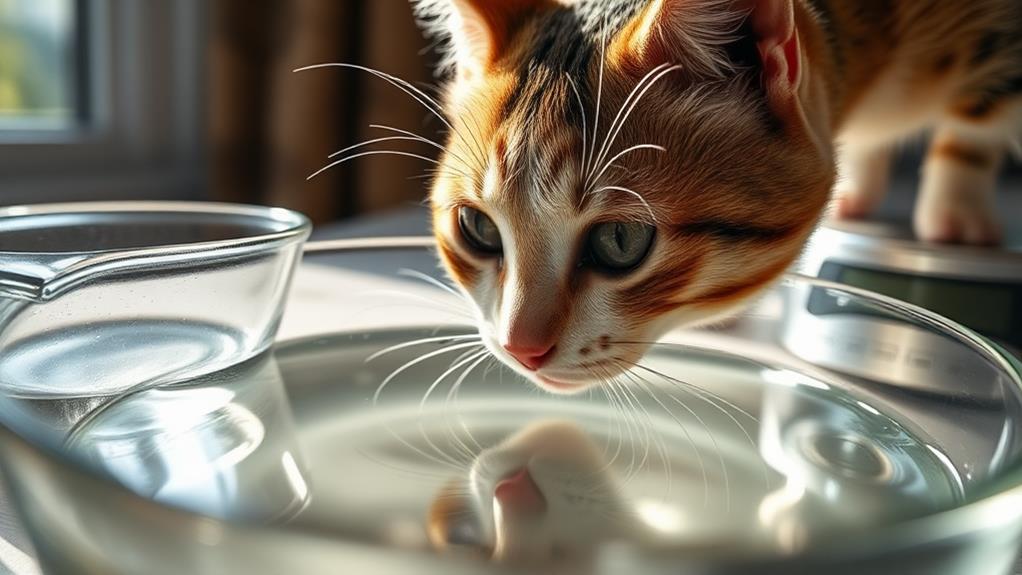
Now that we’ve addressed the diet’s role in hydration, let’s focus on actively tracking our cats’ water intake. Monitoring your cat’s water consumption is vital to guarantee they’re meeting their daily water requirement. On average, cats need about 4 ounces of water per 5 pounds of total body weight. To track water intake accurately, we can use a fluid measuring cup to measure the total water offered and subtract what’s left. This helps us assess our feline friends’ hydration status.
Keeping fresh water available and observing drinking patterns are important steps in understanding our cats’ hydration needs. By establishing a baseline for water consumption, we can quickly identify any changes that might require timely intervention. Remember, we’re in this together to keep our furry companions healthy and happy!
Recommended Products

MULTI-COMPARTMENT DESIGN - Three stacked compartments allow safe breeding and separation of multiple birds, supporting social behavior while providing individual space for each bird in the birdcage

Outdoor Cat Feeding Station for Optimal Food Protection: This covered cat food station for outdoor cats comes with an extended roof, providing comprehensive coverage for food and water bowls against rain and snow. It's designed to keep the feeding area dry and safe in any weather condition

EXTREMELY EFFECTIVE - Reflects 95% of radiant energy, perfect RADIANT BARRIER. R17 insulation.
Frequently Asked Questions
What Is the Importance of Hydration in Cats?
It is understood hydration benefits our feline friends immensely. Let’s focus on kidney health, food moisture, and diverse water sources. By understanding their drinking habits and environmental factors, we can prevent dehydration symptoms and keep our kitties thriving.
How Often Should Indoor Cats Drink Water?
Let’s explore our feline friends’ hydration needs. We should encourage frequent water intake throughout the day. By considering their drinking habits, water preferences, and bowl placement, we’ll guarantee our indoor cats stay healthy and well-hydrated. It’s a team effort!
How Do I Know if My Cat Is Hydrated Enough?
We can check our cat’s hydration by monitoring water intake, feeding habits, and cat behavior. Let’s watch for dehydration symptoms and provide multiple water sources. Regular health monitoring and observing hydration signs will help us guarantee our feline friend’s well-being.
Will a Cat Still Pee if Dehydrated?
We need to know that cats may still pee when dehydrated, but it’s a warning sign. Let’s watch for reduced urine, thirst cues, and urinary tract issues. Together, we can improve our feline friends’ health through various hydration methods.