Feeding your cat a low-carb diet aligns perfectly with their natural carnivorous needs. As obligate carnivores, cats thrive on high-protein, low-carb diets that mirror their evolutionary dietary requirements. Their digestive systems are uniquely adapted to process animal proteins efficiently, with limited ability to digest complex carbohydrates. A low-carb diet can help maintain a healthy weight, reduce the risk of obesity and diabetes, and support overall feline health. By choosing low-carb cat foods rich in quality animal proteins, you’re providing your furry friend with the nutrients they need for ideal well-being. Let’s explore how this dietary approach can benefit your cat’s health and happiness.
Key Takeaways
- Cats are obligate carnivores, evolved to thrive on high-protein, low-carbohydrate diets for optimal health and energy production.
- Low-carb diets align with cats’ natural nutritional needs, reducing the risk of obesity and associated health problems.
- High-carb diets can lead to insulin resistance and increase the risk of feline diabetes.
- Protein-based diets support lean muscle mass and provide essential amino acids like taurine for heart health.
- Low-carb feeding helps maintain stable blood sugar levels and improves overall metabolic health in cats.
Feline Digestive System Basics
You may be interested

When it comes to understanding feline health and low-carb diets, we’ve got to start with the basics of a cat’s digestive system. Our feline friends are obligate carnivores, which means their bodies are designed to thrive on a high-protein, low-carbohydrate diet. Unlike us, cats have limited abilities to digest starches and simple sugars, with only about 5% of the pancreatic amylase that omnivores possess.
While cats can process some carbohydrates, their digestive systems are primarily geared towards protein metabolism. This unique adaptation is why we often recommend a low-carb diet for ideal feline health. It’s fascinating to note that cats have specific mechanisms for carbohydrate metabolism, like the SGLT1 transporter for glucose absorption. By understanding these digestive system basics, we can make informed choices about our cats’ diets, ensuring they meet their energy needs while supporting their overall well-being.
Carbohydrates and Cat Metabolism
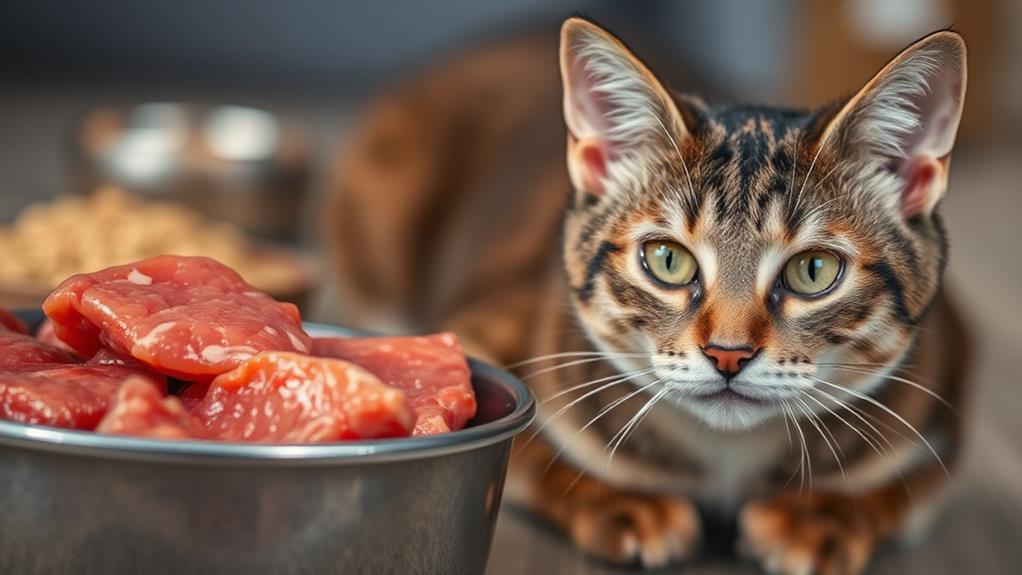
Let’s explore how cats’ bodies are uniquely adapted to handle carbohydrates and energy production. We’ll see that our feline friends have evolved specific digestive and metabolic mechanisms that set them apart from omnivores like us. Understanding these carnivore adaptations will help us appreciate why cats thrive on protein-rich, low-carb diets and how their bodies efficiently regulate glucose levels without relying heavily on dietary carbohydrates.
Carnivore Digestive Adaptations
For millions of years, cats have evolved as obligate carnivores, developing unique digestive adaptations that set them apart from omnivores and herbivores. Our feline friends have a special carnivore connection to nutrition, with limited capacity for carbohydrate digestion. Their small intestines have minimal ability to break down complex carbs, which can lead to digestive issues when they consume high-carbohydrate diets.
Cats’ metabolism and physiology are uniquely adapted to meet their nutrient requirements through a protein-rich diet. They use gluconeogenesis to produce glucose from proteins, rather than relying on dietary carbs. This is why low-carb diets are often recommended for our kitty companions. High-carb diets can contribute to health problems like obesity and diabetes in cats. By understanding these carnivorous adaptations, we can better support our cats’ health through appropriate nutrition.
Glucose Regulation Mechanisms
Building on our understanding of cats’ carnivorous adaptations, we’ll now explore how felines regulate glucose in their bodies. Unlike omnivores, our feline friends have a unique approach to glucose regulation. They rely heavily on gluconeogenesis, a process that converts protein into glucose, rather than depending on dietary carbohydrates. This adaptation is vital for their health and explains why low-carb diets are often recommended.
Cats’ bodies are finely tuned for this protein-to-glucose conversion, with their brains demanding about 30% of the glucose produced during fasting. Remarkably, felines have limited ability to process high-carb diets due to their unique metabolism. Their glucose transport system doesn’t adapt well to varying carbohydrate levels, and they have minimal hepatic glucokinase activity, which affects blood sugar regulation. These factors underscore the importance of protein-rich, low-carb diets for ideal feline health.
Protein-Based Energy Production
In contrast to omnivores, cats rely heavily on protein-based energy production due to their unique metabolic adaptations. Our feline friends have evolved to efficiently convert dietary protein into glucose, their primary energy source. This process, called gluconeogenesis, allows cats to maintain stable blood sugar levels even when consuming low-carbohydrate diets.
When we feed our cats a protein-rich, low-carb diet, we’re supporting their natural metabolic processes. Here’s what happens when cats consume protein for energy:
- Amino acids from protein are broken down
- The liver converts these amino acids into glucose
- Glucose enters the bloodstream for energy use
- Excess glucose is stored as glycogen in muscles and liver
Obesity Risk in High-Carb Diets
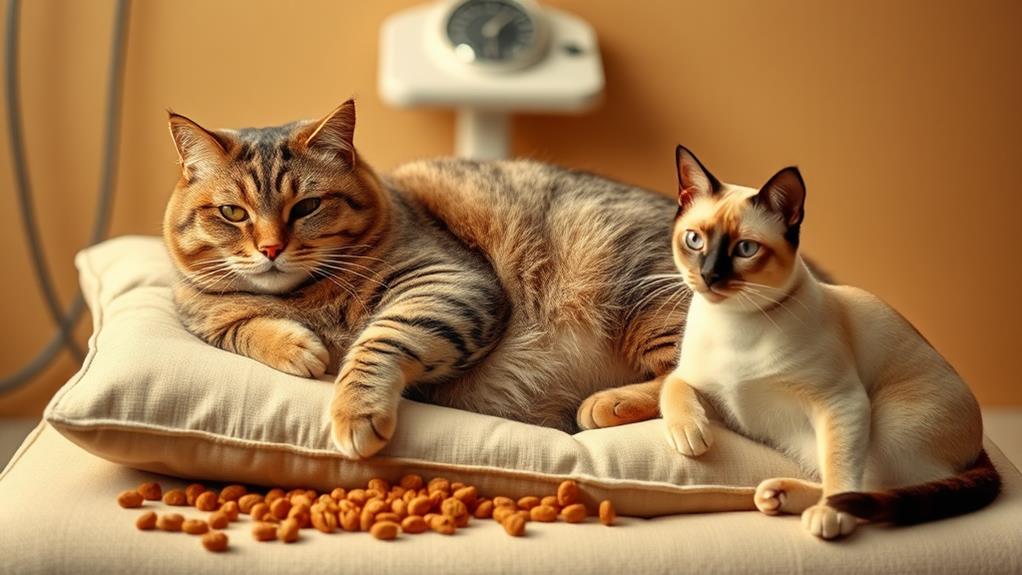
Most cat owners don’t realize that high-carbohydrate diets can considerably increase their feline friend’s risk of obesity. When our cats consume diets with more than 50% of their metabolizable energy from carbohydrates, they’re at a higher risk for weight gain and related health issues. This is because cats aren’t as efficient at processing carbs, which can lead to digestive problems and insulin resistance.
To keep our furry companions healthy, we should consider low-carb diets that provide less than 25% of energy from carbohydrates. These diets can help manage weight and reduce the risk of diabetes in our feline friends. Let’s take a look at how different diets impact our cats’ health:
| Diet Type | Carb % | Obesity Risk | Diabetes Risk | Digestive Health |
|---|---|---|---|---|
| High-Carb | >50% | High | High | Poor |
| Moderate | 25-50% | Moderate | Moderate | Fair |
| Low-Carb | <25% | Low | Low | Good |
Recommended Products

The first extruded dry diet/kibble pet food that is Starch Free (Epigen does what "Grain Free" dog food and cat foods only pretend to do)

The information below is per-pack only

The information below is per-pack only
Diabetes and Carbohydrate Intake
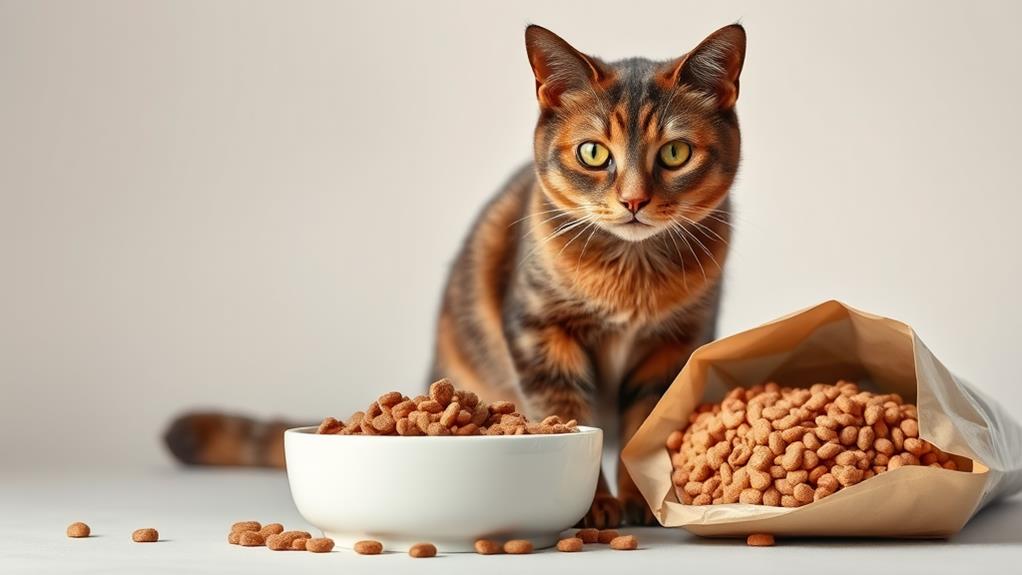
Three key factors link diabetes and carbohydrate intake in cats: obesity risk, blood glucose levels, and metabolic efficiency. It is understood that high-carb diets can lead to weight gain and insulin resistance, increasing the risk of diabetes mellitus in our feline friends. Excess dietary carbohydrates can cause blood glucose spikes, which is especially problematic for cats with limited ability to process carbs.
That’s why we recommend low-carbohydrate diets for managing feline diabetes and overall health. Here’s what a low-carb approach can do for your cat:
- Regulate blood sugar levels
- Promote healthy weight management
- Reduce strain on the digestive system
- Improve overall metabolic efficiency
Recommended Products

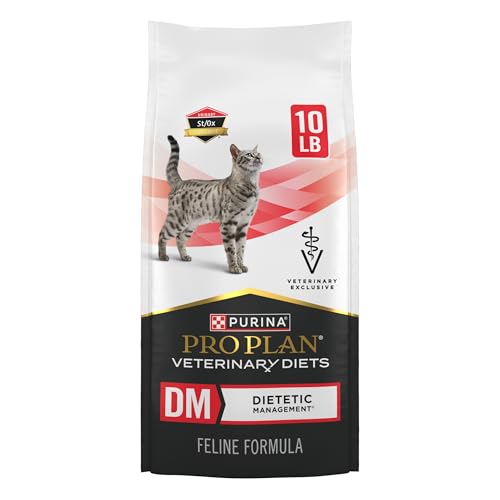
Low carbohydrate and high protein cat food to help support healthy glucose levels in cats
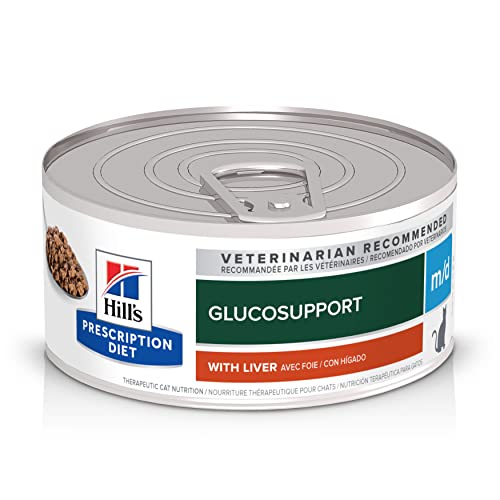
Hill's Prescription Diet m/d GlucoSupport with Liver Flavor Canned Cat Food, is specially formulated by Hill’s nutritionists and veterinarians to support your cat’s glucose and weight management
Protein Requirements for Cats
As we turn our attention to protein requirements for cats, we’ll explore the essential amino acid needs that make felines unique in their nutritional demands. We’ll also examine how cats have adapted metabolically to process proteins efficiently, reflecting their evolutionary history as obligate carnivores. Finally, we’ll look at the best protein sources for our feline friends, considering both commercial and homemade diet options that can meet their specific nutritional needs.
Recommended Products


Uniquely high-quality ingredients were selected to provide natural, meat-based protein and fat, and a powerful profile of essential amino acids for maximum nutritional impact.

The Enhanced Bland Diet for cats: Complete and optimal recovery food for cats of all life stages with easy-to-digest ingredients
Essential Amino Acid Needs
Cats stand out from many other pets due to their unique protein requirements. As obligate carnivores, our feline friends need a diet rich in high-quality animal proteins to maintain ideal health. These proteins provide essential amino acids that cats can’t produce on their own, such as taurine, which is vital for:
- Healthy heart function
- Sharp vision
- Proper reproductive system development
- Overall well-being
We can’t stress enough how important it is to feed our cats diets that meet their essential amino acid needs. Adult cats require about 26% protein on a dry matter basis, but many experts recommend even higher levels for ideal nutrition. By providing our furry companions with the right balance of animal-based proteins, we’re ensuring they get the taurine, arginine, and methionine they need to thrive. Let’s work together to keep our cats healthy and happy!
Metabolic Protein Adaptations
The unique metabolic adaptations of cats set them apart when it comes to protein requirements. Our feline friends need a high-protein diet, with 25-30% of their nutritional intake coming from protein sources. Unlike us, cats can’t rely on carbohydrates for energy; instead, they’ve evolved to use protein as their primary fuel source through a process called gluconeogenesis. This adaptation allows them to convert protein into glucose, even when their dietary carbohydrate intake is low.
As cat lovers, we need to understand that these metabolic adaptations are vital for our pets’ health. Their livers are specially equipped to handle this protein-heavy diet, with enzymes that continuously produce glucose from protein. As our feline companions age, their protein needs become even more important, making a low-carb, high-protein diet essential for maintaining their overall well-being.
Protein Sources for Cats
Now that we’ve explored cats’ unique protein metabolism, let’s focus on their specific protein requirements and ideal sources. As obligate carnivores, our feline friends need high-quality protein to maintain their lean body mass and support essential metabolic functions, including glucose production. We should aim to provide them with animal-based proteins rich in essential amino acids, particularly taurine.
When selecting protein sources for our cats, we should consider:
- Chicken breast, lean and packed with protein
- Fish fillets, swimming with omega-3 fatty acids
- Beef liver, a nutrient-dense powerhouse
- Egg whites, a complete protein source
These options offer the high-quality protein cats need to thrive. By prioritizing these animal-based proteins in our cats’ diets, we’re supporting their overall health and well-being, ensuring they remain the vibrant, playful companions we adore.
Low-Carb Diet Benefits
In light of cats’ natural carnivorous diet, low-carb feeding plans offer several significant benefits for our feline friends. As obligate carnivores, cats thrive on diets high in protein and low in carbohydrates, which align closely with their biological needs. These diets can help manage weight, as they promote lean body mass and reduce the risk of obesity. For diabetic cats, a diet with less than 25% metabolizable energy from carbohydrates can improve insulin sensitivity and regulate blood sugar levels.
We’ve found that low-carb diets can also decrease the likelihood of insulin resistance and other metabolic diseases. While cats can digest typical dietary carbohydrates, excessive amounts may lead to health issues. However, we shouldn’t completely eliminate carbs; complex carbohydrates from sources like sweet potatoes can provide beneficial nutrients when included in moderation. By focusing on a balanced, low-carb approach, we’re supporting our cats’ overall health and well-being.
Choosing Low-Carb Cat Foods
Selecting the right low-carb cat food can be a game-changer for your feline’s health. When we’re shopping for our furry friends, we need to look for options that prioritize animal-based proteins and keep carbohydrates in check. Many commercial diets contain up to 30% carbs, but we should aim for less than 25%, especially for cats with diabetes or weight issues.
To choose the best low-carb cat foods, let’s consider these key points:
- Scan ingredient lists for meat as the primary component
- Check for low-carb veggie additions like sweet potatoes
- Compare carbohydrate percentages between brands
- Look for high-protein formulas to support muscle health
Recommended Products

HIGH PROTEIN, NUTRIENT DENSE: Featuring wild-caught Mackerel and free-range Lamb, Organs, Bone, and New Zealand Green Mussels, this grain-free dog food delivers nutrition with a mouth-watering taste for all dogs. Gentle air dried processing retains the goodness of the raw ingredients. This food offers stimulating crunchy texture small enough for puppy food but soft enough for senior dog food.


CATS WITH FOOD SENSITIVITIES: Veterinary-exclusive dry cat food made with hydrolyzed protein for adult cats with food sensitivities
Transitioning to Low-Carb Feeding

Changing our cats to a low-carb diet requires patience and careful planning. As fellow cat lovers, we recognize the importance of a smooth changeover. Let’s commence on this journey together, gradually introducing the new low-carb diet over 7-10 days. We’ll start by mixing a small amount of the new food with our kitty’s current meal, slowly increasing the proportion of low-carb kibble or wet food.
Throughout this process, it’s vital that we monitor our feline friends’ health and weight. Every cat is unique, so we might need to adjust our approach based on their individual needs and preferences. Don’t forget to consult with a veterinarian to guarantee we’re meeting our cats’ nutritional requirements. By observing their behaviors and noting any changes, we can make informed decisions about their diet and overall well-being.
Recommended Products

One (1) 23.5 lb bag of ORIJEN Six Fish Dry Dog Food

Love Is Raw: Our Raw Coated dog food offers the protein-rich taste dogs crave with the nutrition they deserve; each bite is coated in delicious and nutritious freeze-dried raw meat

SINGLE INGREDIENT, WHITE MEAT CHICKEN — Made with 100% pure all-white natural breast meat chicken. Simple, clean, meat-first nutrition designed to support healthy muscles, energy, and everyday wellness.
Frequently Asked Questions
Do Cats Need a Low Carb Diet?
We’ve learned that cats do thrive on low-carb diets. It’s about understanding their unique metabolism and feline nutrition needs. By focusing on protein sources and dietary fats, we’re supporting their weight management, digestive health, and overall well-being.
Why Are High Carbohydrate Diets Not Desirable for Cats?
We’ve learned that high-carb diets don’t align with our cats’ carnivorous instincts and feline metabolism. They’re not ideal energy sources, potentially leading to obesity risks, diabetic concerns, and gastrointestinal health issues. Let’s prioritize protein importance for our feline friends’ dietary evolution.
Why Do Cat Diets Need Only Very Small Amounts of Carbohydrates?
It is understood that our feline friends’ metabolism is designed for high protein intake. As natural hunters, they’ve evolved to thrive on minimal carbs. By respecting their dietary requirements, we’re supporting their health, weight management, and glucose regulation—just as nature intended.
What Percentage of Carbs Should Be in Cat Food?
We recommend keeping carbs in cat food under 25% of calories. Let’s consider feline metabolism and health implications when choosing food. Quality ingredients and proper labeling are essential for maintaining dietary balance and supporting our furry friends’ well-being.