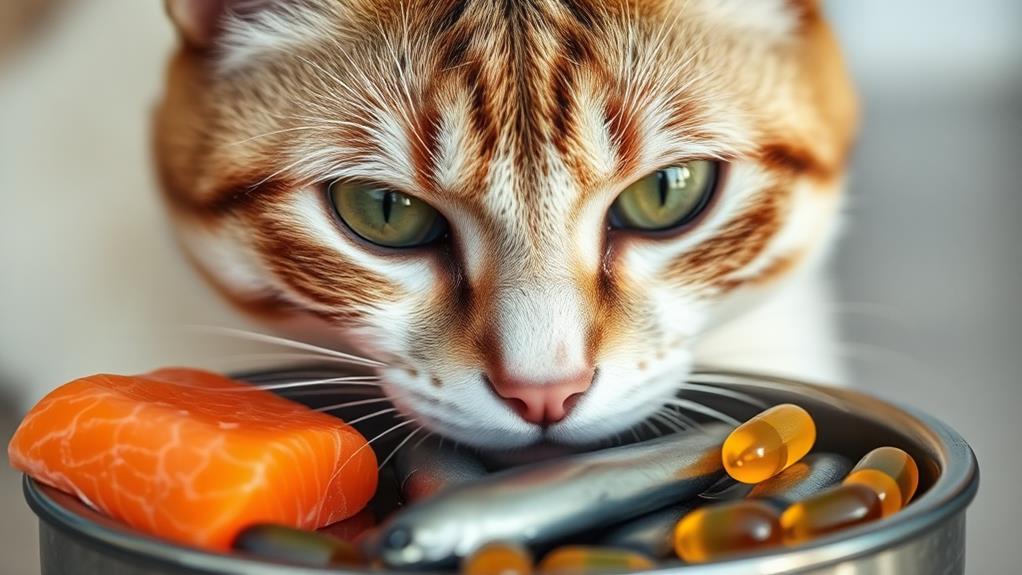
Boosting feline health with grain-free cat food can be an effective way to support your cat’s natural dietary needs. We’ll want to look for high-quality options that prioritize animal-based proteins and essential nutrients while avoiding harmful additives. It’s essential to shift gradually and monitor your cat’s response, as individual needs may vary. When selecting a grain-free diet, we should focus on ingredient quality, best protein content, and balanced nutrition that meets AAFCO standards. Remember, grain-free isn’t automatically superior, so consulting with a veterinarian can help tailor the best approach for your furry friend. There’s much more to evaluate when it comes to optimizing your cat’s diet for best health.
Key Takeaways
- Choose grain-free cat food with high-quality protein sources listed as the first ingredient, aiming for 30-50% protein content.
- Gradually transition to grain-free food over 1-2 weeks, mixing it with the current diet to monitor your cat’s response.
- Look for grain-free options that include essential nutrients like taurine and omega fatty acids for overall health support.
- Avoid grain-free foods with artificial additives, prioritizing brands that use natural ingredients and offer transparent sourcing.
- Monitor improvements in energy levels, coat condition, digestion, and weight to assess the diet’s effectiveness for your cat.
Understanding Grain-Free Cat Food
You may be interested

In recent years, grain-free cat food has become increasingly popular among pet owners. We’re seeing a shift towards these diets, which ditch traditional grains like wheat and corn in favor of alternative carbohydrates like sweet potatoes. It’s important to understand that while all grain-free cat food is gluten-free, cats rarely suffer from gluten allergies.
When considering grain-free diets for our feline friends, we need to focus on meeting their nutritional requirements. Quality grain-free cat food should provide essential nutrients and protein sources necessary for cats’ health. While these diets don’t pose established health risks, they’re not automatically superior to grain-inclusive options. The key is ensuring the food meets AAFCO standards, delivering the right balance of proteins, vitamins, and minerals. By understanding what grain-free really means, we can make informed choices for our cats’ well-being.
Nutritional Benefits for Feline Health

Let’s explore the nutritional benefits of grain-free cat food for our feline friends. We’ll examine how the ideal protein content supports muscle development and overall vigor, while the crucial nutrient balance promotes better health outcomes. Additionally, we’ll look at how improved digestive efficiency can lead to enhanced nutrient absorption and a happier, healthier cat.
Recommended Products

The first extruded dry diet/kibble pet food that is Starch Free (Epigen does what "Grain Free" dog food and cat foods only pretend to do)

The information below is per-pack only
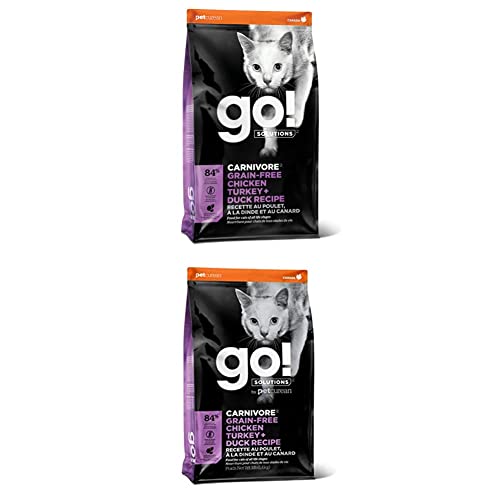
PROTEIN-RICH FOOD TO SUPPORT STRONG, LEAN MUSCLES: The first seven ingredients and 84% of the protein in our CARNIVORE Chicken Turkey + Duck grain free cat food comes from real premium-quality meat + fish.
Optimal Protein Content
Protein powerhouses, grain-free cat foods offer a wealth of nutritional benefits for feline health. We’ve found that these diets typically contain higher protein content from quality animal sources, which is fundamental for our feline companions’ muscle development and overall vigor. By choosing a high protein diet for your cat, you’re providing them with essential amino acids like taurine, which helps prevent serious health issues such as heart disease.
As obligate carnivores, cats thrive on diets that emphasize animal-based proteins while minimizing carbohydrates. This aligns perfectly with their natural dietary needs. The enhanced protein intake from grain-free foods can lead to better skin and coat health, improved immune function, and increased energy levels. By opting for a grain-free, high-protein diet, we’re empowering our cats to live their best, most active lives.
Essential Nutrient Balance
Beyond protein content, grain-free cat foods offer an extensive balance of essential nutrients tailored to feline health. We’ve found that these diets aren’t just about high protein levels; they’re carefully formulated to provide a complete nutritional profile. By incorporating high-quality animal proteins and healthy fats, grain-free options support optimal feline health from whiskers to tail.
Let’s look at the bigger picture: these diets often include omega-3 and omega-6 fatty acids, which are vital for coat health and brain function. They’re also designed to sidestep common allergens, potentially alleviating allergies and sensitivities that some cats experience with grain-based foods. By meeting AAFCO standards, grain-free diets guarantee your feline friend gets all the essential nutrients they need, including taurine for heart health. It’s a thorough approach to nutrition that can address various health issues while supporting your cat’s natural dietary needs.
Improved Digestive Efficiency
While balanced nutrition is key, grain-free cat food’s impact on digestive efficiency is equally significant. As obligate carnivores, cats’ digestive systems aren’t designed to process grains effectively. By switching to grain-free food, we’re aligning their diets with their natural needs, leading to improved digestive efficiency and better nutrient absorption.
Grain-free diets typically offer several benefits for our feline friends:
- Enhanced digestibility due to high-quality proteins
- Reduced gastrointestinal upset
- Well-formed, regular bowel movements
- Increased energy levels and improved coat condition
We’re not just feeding our cats; we’re liberating their digestive systems from unnecessary strain. By choosing grain-free options, we’re embracing our cats’ carnivorous nature and providing them with food that maximizes nutritional value. This approach can lead to happier, healthier cats with more efficient digestive processes.
Transitioning to Grain-Free Diets
How can we guarantee a smooth shift to a grain-free diet for our feline friends? The key lies in a gradual change, mixing small amounts of grain-free food with their current diet and increasing the proportion over 1-2 weeks. We’ll need to monitor our cat’s response, watching for changes in appetite, energy, and overall health. Let’s consider both dry and wet grain-free cat food options, as each offers unique benefits.
| Change Stage | Grain-Free % | Current Food % |
|---|---|---|
| Week 1 | 25% | 75% |
| Week 2 | 50% | 50% |
| Week 3 | 75% | 25% |
It’s vital to consult with a veterinarian to tailor the change process to our cat’s specific needs. Remember, patience is key – some cats may resist change, but persistence will pay off in improved feline health.
Recommended Products
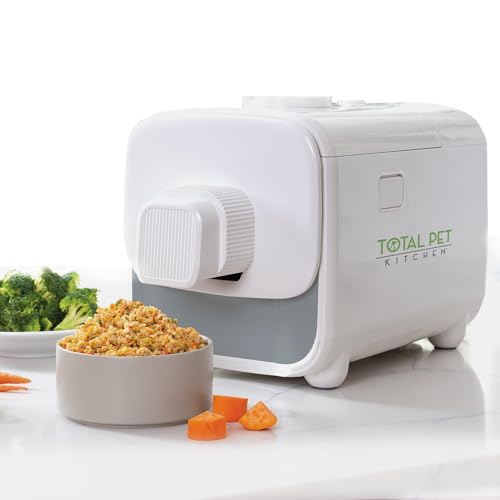
4 Cooking Programs: Pre-set cooking modes for Beef, Poultry, Fish, and Grain-Free/Dry rice cooker operation, making it easy to choose the perfect meal for your pet.

MADE WITH WHOLESOME INGREDIENTS YOU CAN TRUST: Every Inaba product is made with yummy, human-grade ingredients including farm-raised chicken and/or wild-caught tuna

RAW GREEN BEEF TRIPE FOR DOGS: Raw Paws tripe for dogs and cats, with a naturally occurring, near perfect balance of calcium to phosphorus, is often referred to as a Pet Superfood! "Green" means the beef tripe is unprocessed, unbleached and unaltered. Green tripe for dogs and cats is high in protein but low in phosphorus making it a healthy and safe choice for pets requiring kidney diet dog food or cat food.
Selecting Quality Grain-Free Options
When we’re on the hunt for quality grain-free cat food, we’ve got to put on our detective hats and carefully examine those ingredient labels. We’ll want to assess the protein content percentages, ensuring our feline friends are getting the high-quality, meat-based nutrition they need to thrive. As we scan the labels, we should also keep an eye out for any harmful artificial additives, steering clear of products that might compromise our cats’ long-term health.
Recommended Products

REAL BEEF - Imagine a bowl filled with air dried dog food made with real quality beefy goodness. This high protein dog food will have your pup's tail thumping with joy. It's not just real meat air dried dog food; it's a meaty party for their taste buds, crafted with care

FREEZE-DRIED DOG FAVORITE: Indulge your pup with our freeze-dried chicken dog treats! Whole Life Pet's single-ingredient dog treats preserve the pure taste of chicken, offering a natural, wholesome treat without any unnecessary additives or fillers.

Made from beef pizzle, this single-ingredient chew is free from grains, rawhide, and artificial chemicals, flavors, and preservatives.
Reading Ingredient Labels Carefully
Frequently, cat owners find themselves overwhelmed when faced with the multitude of grain-free options on the market. To navigate this sea of choices, we need to become adept at reading ingredient labels. Let’s break down what to look for when selecting the best grain-free cat food for our feline friends.
When examining labels, we should prioritize:
- High-quality protein sources as the first ingredient
- Clear specifications on protein percentages
- Limited plant-based ingredients
- Absence of artificial additives
Assessing Protein Content Percentages
Many cat owners understand that protein content is fundamental when selecting grain-free cat food, but knowing exactly what to look for can be challenging. When evaluating protein content percentages, we’re aiming for a sweet spot of 30-50% to meet our feline friends’ nutritional needs. Cats are obligate carnivores, after all, and their diet should reflect that.
We’ve got to be savvy shoppers, checking that high-quality protein sources like chicken, fish, or beef are listed as the first ingredient. It’s not just about quantity, though – quality matters too. We need to guarantee the food contains essential amino acids, especially taurine, which is imperative for our cats’ health. By comparing different grain-free options and prioritizing those with a balanced blend of proteins and fats, we’re setting our kitties up for ideal health and well-being.
Avoiding Harmful Artificial Additives
Now that we’ve covered protein content, let’s turn our attention to another key aspect of selecting quality grain-free cat food: steering clear of harmful artificial additives. We want to guarantee our feline friends get the best nutrition without any unwanted extras. When choosing grain-free cat food, we should prioritize high-quality brands that offer transparent ingredient sourcing and avoid artificial colors, flavors, and preservatives.
To make the best choice for our cats’ health, let’s focus on these key points:
- Look for explicit statements about the absence of artificial additives
- Check for natural additives like prebiotics and probiotics for digestive health
- Avoid vague terms like “animal derivatives” for protein sources
- Be wary of excessive fillers that lack nutritional value
Addressing Common Misconceptions
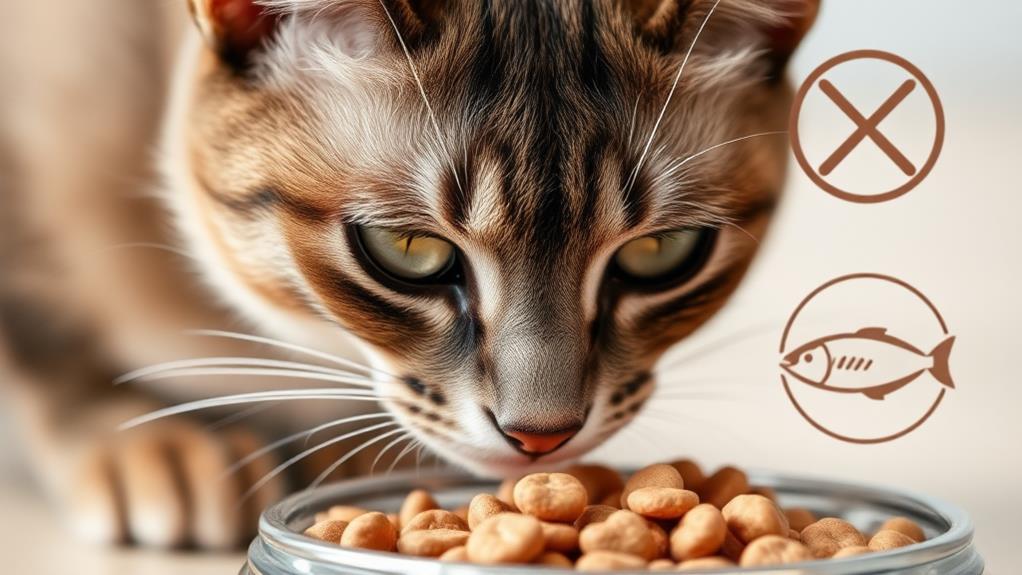
Despite the growing popularity of grain-free cat food, several misconceptions have taken root among pet owners. We’ve seen a surge in the belief that grain-free diets are vital for all cats, but that’s not necessarily true. While these limited ingredient options can be beneficial for cats with specific food allergies, most felines don’t require a strictly grain-free diet to maintain ideal health.
Let’s break down some common myths about grain-free cat food:
| Myth | Reality |
|---|---|
| All cats need grain-free diets | Most cats can digest grains well |
| Grain-free equals higher quality | Nutritional quality varies by brand |
| Grains cause allergies in cats | Grain allergies are rare in felines |
| Grain-free diets boost feline health | No proven superior health benefits |
| All grain-free foods are gluten-free | True, but gluten allergies are uncommon |
It’s essential to focus on overall nutritional quality rather than simply avoiding grains when choosing pet food.
Tailoring Diets to Individual Needs
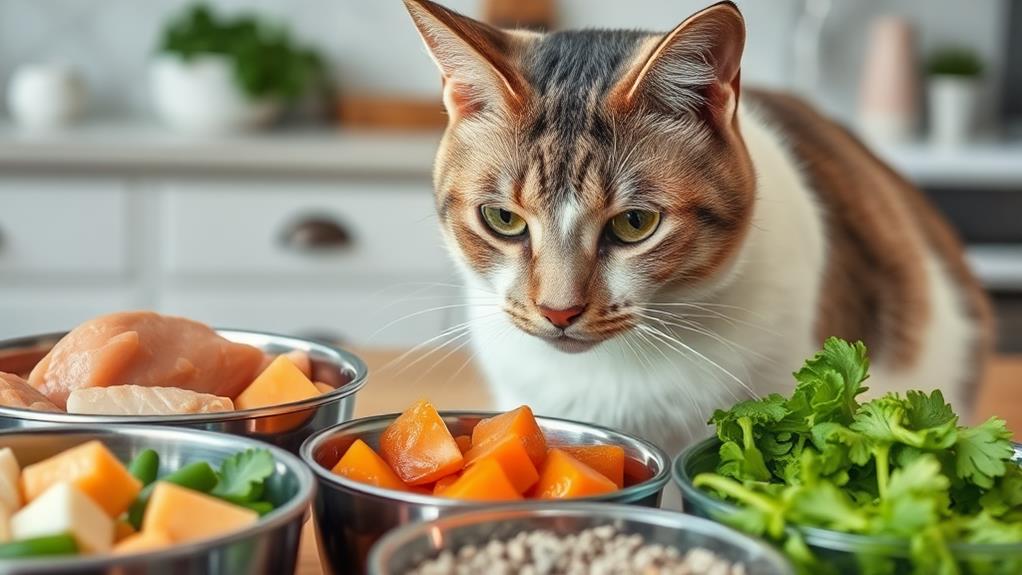
When it comes to grain-free cat food, there’s no one-size-fits-all solution. Tailoring diets to our feline friends’ specific needs is vital for their overall health and well-being. We need to take into account factors like age, allergies, and health conditions when selecting the right grain-free foods.
To guarantee we’re meeting our cats’ nutritional requirements, let’s follow these steps:
- Assess any allergies or sensitivities
- Choose foods formulated for their life stage
- Monitor their response to dietary changes
- Consult with a veterinarian for personalized recommendations
Recommended Products

HIGH PROTEIN, NUTRIENT DENSE: Featuring free-range Beef, Organs, Bone, and New Zealand Green Mussels, this grain-free dog food delivers nutrition with a mouth-watering taste for all dogs. Gentle air dried processing retains the goodness of the raw ingredients. This food offers stimulating crunchy texture small enough for puppy food but soft enough for senior dog food.

HEALTHY FROZEN CHICKEN PET FOOD: Raw Paws chicken dog food roll offers a highly nutritious raw diet for dogs and cats. Our natural chicken dog food and chicken cat food follow the 80/10/10 rule imitating your pet’s natural, species-appropriate diet. Our cat and dog food with chicken delivers all the protein, vitamins and minerals your pet needs. Raw Paws cat food grain free chicken recipe offers your pets the nutrition you love, and the taste of chicken dogs and cats love.

REAL QUALITY BEEF - Imagine a bowl filled with air dried dog food made with real quality beefy goodness. This high protein dog food will have your pup's tail thumping with joy. It's not just real meat air dried dog food; it's a meaty party for their taste buds, crafted with care
Monitoring Health Improvements
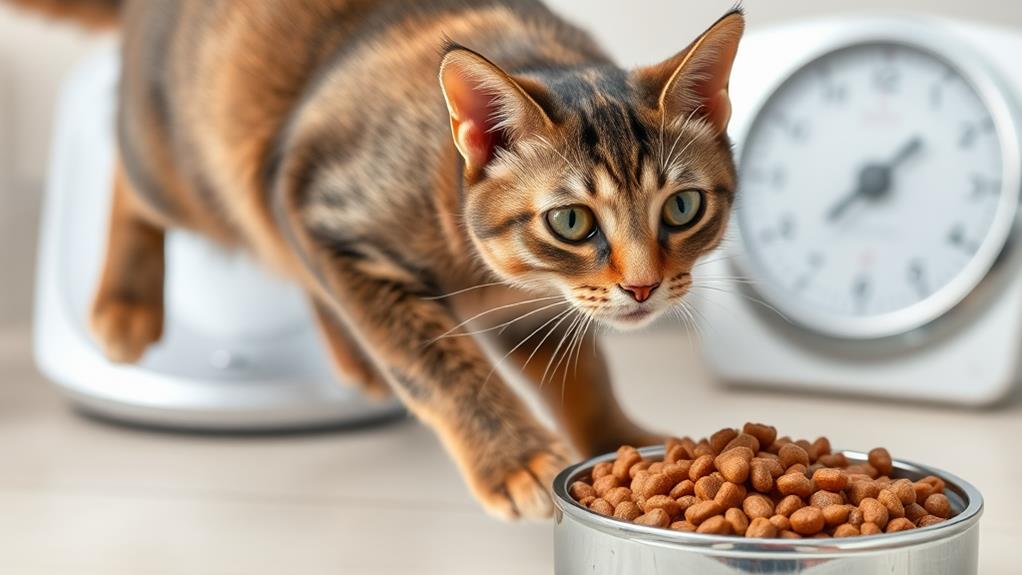
After tailoring our cats’ diets to their individual needs, it’s important to keep a close eye on their health progress. When shifting to grain-free diets, we should monitor several key indicators. Let’s observe our feline friends’ energy levels, looking for increased playfulness and liveliness. We’ll want to check their coat condition, noting improvements in shine and reduced shedding. Keep track of their digestion, watching for firmer, more consistent stools. It’s essential to monitor weight and muscle tone, as grain-free diets often promote leaner body composition and improved muscle development. Finally, we should be attentive to any changes in allergy symptoms, such as reduced itching or gastrointestinal issues. By carefully observing these aspects, we can guarantee our cats are reaping the full benefits of their new, grain-free lifestyle.
Long-Term Considerations for Cat Wellness
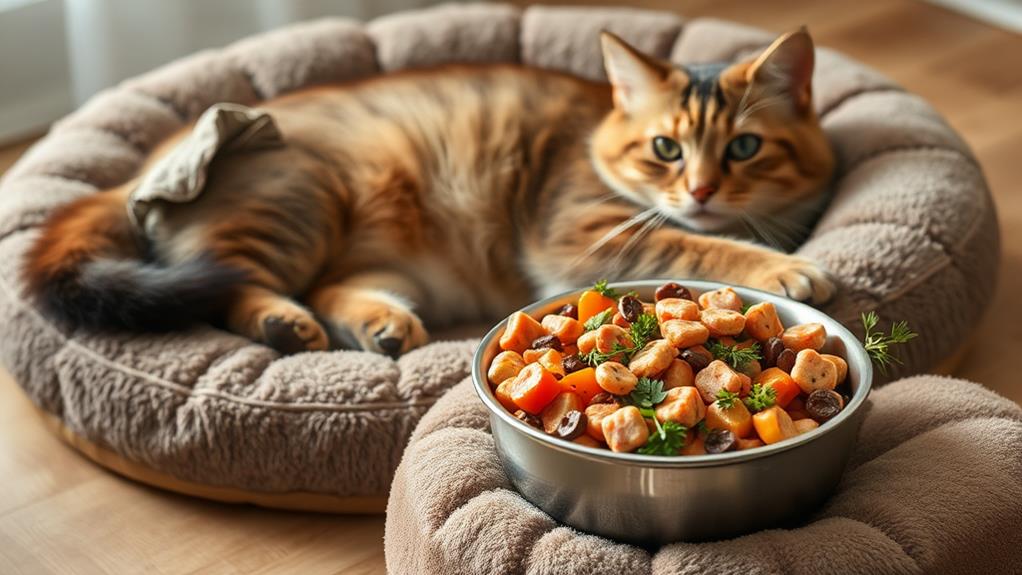
Throughout our cats’ lives, we’ll need to contemplate the long-term impacts of a grain-free diet on their overall wellness. By choosing grain-free cat food with higher protein content and animal-based proteins, we’re setting our feline friends up for success. These diets, low in carbohydrates, help maintain ideal weight and reduce the risk of obesity-related issues.
To guarantee our cats thrive on a grain-free diet, we should:
- Monitor their coat condition and energy levels
- Watch for improvements in digestion and nutrient absorption
- Take note of any reduction in allergic reactions or skin issues
- Adjust the diet as needed to meet evolving nutritional requirements
Recommended Products

The information below is per-pack only

TRANSPARENT INGREDIENT LABELING: No fillers, just traceable, human-grade components from farm to bowl, ideal for owners seeking natural cat food dry with full disclosure.

PREMIUM NEW ZEALAND KING SALMON FOR LEAN PROTEIN & EASY DIGESTION: Made with sustainably sourced New Zealand King Salmon, known for having the highest natural Omega-3 levels of all salmon species, this recipe offers easily digestible protein to support muscle health, energy, and is gentle on sensitive stomachs.
Frequently Asked Questions
Why Do Vets Not Recommend Grain-Free Cat Food?
We vets often don’t recommend grain-free cat food because feline nutrition isn’t improved by grain alternatives. It’s a dietary myth that cats can’t digest grains. We’re more concerned with overall ingredient sourcing and potential health implications.
Do Cats Do Better With Grain-Free Food?
Like a cat’s whiskers sensing the perfect meal, we’ve found grain-free benefits can be a game-changer. It’s all about quality protein sources, improved feline digestion, and allergy management. We’ve seen better weight control and increased palatability, releasing our cats’ true carnivorous nature.
What Can You Add to Cat Food to Make It More Nutritious?
We can elevate our cat’s nutrition with superfood toppings, homemade broths, and essential supplements. Let’s add fresh vegetables, protein sources, and vitamin boosters for a nutritional punch. Don’t forget natural flavors to keep our feline friends excited about their meals.
Does Grain-Free Cat Food Mean No Carbs?
Feeling confused about grain-free cat food? We’re here to clarify. It doesn’t mean zero carbs. Alternative carb sources are often used, but the focus is on higher protein content and better ingredient quality. Always consult your vet for ideal feline nutrition.