Taurine is essential for your cat’s health, and we’ve got seven important tips to guarantee they’re getting enough. First, understand taurine’s critical role in feline well-being. Next, learn to recognize deficiency symptoms like lethargy and eye problems. Choose high-quality, taurine-rich cat foods, especially wet varieties. Consider supplements if needed, but consult your vet first. Regularly monitor your cat’s taurine levels through check-ups and blood tests. Address special needs for kittens, pregnant, and nursing cats. Finally, avoid common mistakes like feeding dog food or plant-based diets. By following these tips, you’ll be well on your way to keeping your feline friend healthy and happy. Let’s explore each tip in more detail to become taurine experts.
Key Takeaways
- Choose high-quality commercial cat foods that list animal proteins as primary ingredients and meet taurine recommendations.
- Opt for wet food options, which generally contain higher taurine levels than dry kibble.
- Monitor your cat for symptoms of taurine deficiency, including lethargy, poor coat condition, and eye problems.
- Consider taurine supplementation for cats with specific medical conditions or inadequate diets, under veterinary guidance.
- Schedule regular veterinary check-ups to assess taurine levels and overall health, especially for kittens, pregnant, and nursing cats.
Understanding Taurine’s Role in Cats
You may be interested

Cats, those mysterious felines we adore, have a secret dietary need that’s fundamental for their health: taurine. This essential amino acid is a significant component of a cat’s diet, as they can’t produce it on their own. We’ve got to guarantee our furry friends get enough taurine from their food, primarily through animal-based proteins like meat and organ meats.
Why is taurine so important? It’s a powerhouse nutrient that supports multiple aspects of feline health. Most importantly, it plays a vital role in maintaining a healthy heart. Without sufficient taurine, cats can develop heart disease, specifically dilated cardiomyopathy. But that’s not all – taurine is also critical for proper vision and reproductive health. To keep our cats thriving, we need to prioritize taurine-rich diets that meet the recommended intake levels set by experts in feline nutrition.
Recognizing Taurine Deficiency Symptoms
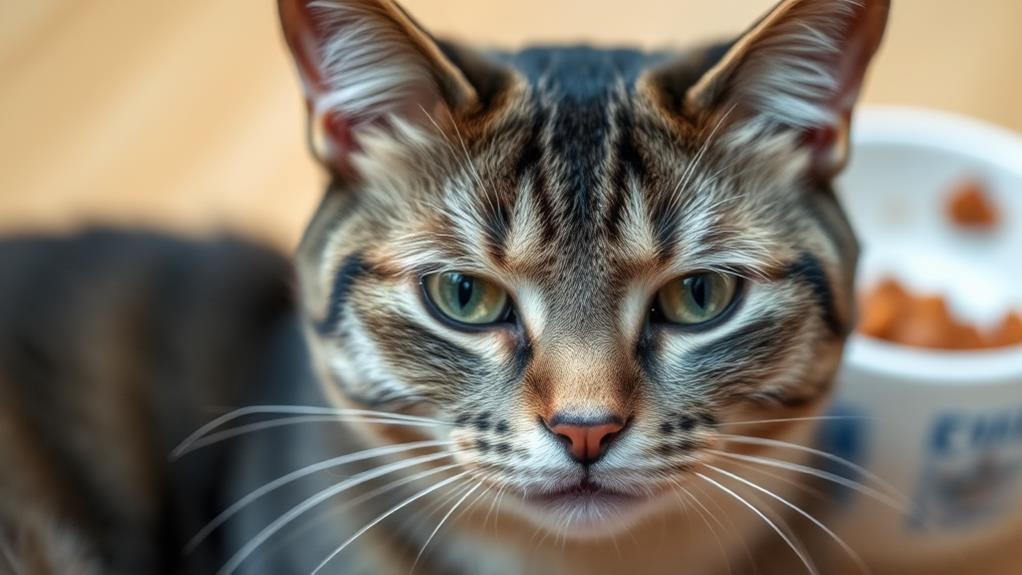
Pet owners should be on the lookout for telltale signs of taurine deficiency in their feline companions. We’ve noticed that cats lacking this essential amino acid often display a range of symptoms that shouldn’t be ignored. Lethargy, poor coat condition, and a reduced appetite are common indicators that your cat’s taurine levels might be low.
More serious signs of taurine deficiency include eye problems, like feline central retinal degeneration, which can lead to blindness if not addressed quickly. Heart dysfunction, particularly dilated cardiomyopathy, is another major concern. You might also observe weight loss, hair loss, and a weakened immune system in your furry friend. For female cats, reproductive issues can arise, affecting their ability to have healthy litters. If you notice any of these symptoms, it’s vital to consult your vet promptly to guarantee your cat’s health and freedom.
Recommended Products
➕ Source of Antioxidants - L-Methionine, which is both in L Methionine powder and L Methionine capsules form, is source of antioxidants that helps protect the cells in the body from free radical damage. In addition, L Methionine, a choline supplements, is also essential to healthy functioning of many metabolic pathways and supports the breakdown of proteins and other molecules into energy for cells.*

Maximize your Potential: Enhance your active lifestyle with our Taurine powder, designed to support your strength and performance goals. Each serving delivers a substantial 2000mg dose, catering to both fitness enthusiasts looking to push their limits.

Kidney Function Support: Vetoquinol Epakitin is a chitosan-based oral powder that provides nutritional support for healthy kidney function by acting as a phosphate binder in cats and dogs
Choosing Taurine-Rich Cat Foods
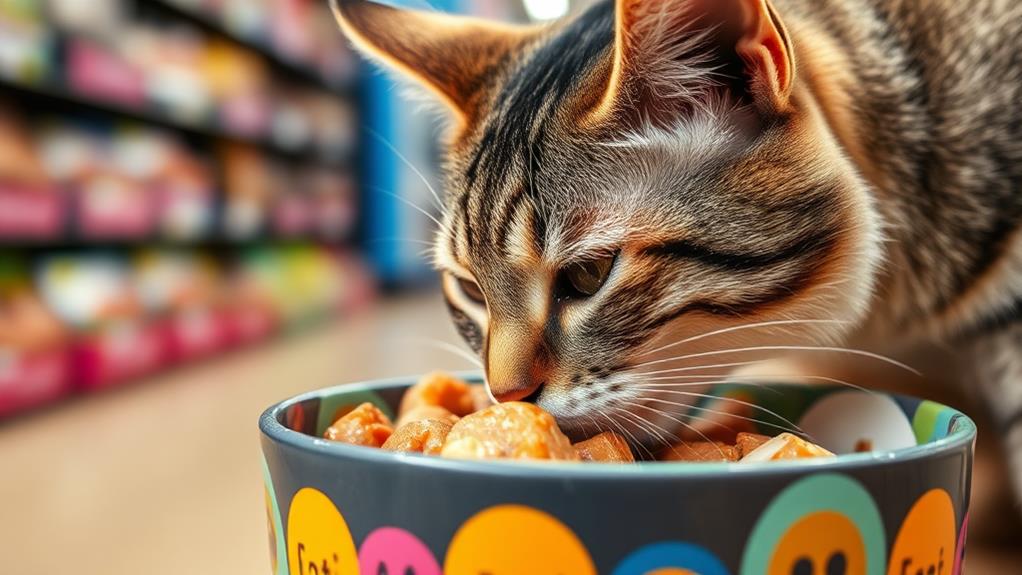
When it comes to choosing taurine-rich cat foods, we’ll want to start by carefully reading ingredient labels, looking for products that list animal protein sources as primary ingredients. We should prioritize high-quality commercial cat foods that are specifically formulated to meet feline nutritional needs, including adequate taurine levels. It’s also worth considering wet food options, as these often contain higher levels of taurine compared to dry kibble, and can contribute to your cat’s overall hydration.
Recommended Products

Premium freeze dried raw dog food made with fresh, cage-free turkey raised without antibiotics, steroids or added hormones, wild-caught sardines and USDA organic fruits & vegetables. Grain free

High in animal proteins

TRANSPARENT INGREDIENT LABELING: No fillers, just traceable, human-grade components from farm to bowl, ideal for owners seeking natural cat food dry with full disclosure.
Read Ingredient Labels Carefully
Reading ingredient labels carefully is vital when selecting taurine-rich cat foods. We’ll want to look for high-quality animal protein sources listed first, such as chicken, beef, or fish. These ingredients are naturally rich in taurine, which is essential for our feline friends’ health. Let’s check the guaranteed analysis section for explicit mention of added taurine, and guarantee the food meets AAFCO standards.
Here’s a quick guide to help us choose the best taurine-rich cat food:
| Ingredient Type | Good Choice | Avoid |
|---|---|---|
| Protein Source | Chicken | Corn |
| Fat Source | Fish Oil | Vegetable Oil |
| Carbohydrate | Sweet Potato | Wheat |
| Supplement | Taurine | Artificial Colors |
| Preservative | Vitamin E | BHA/BHT |
Prioritize Animal Protein Sources
Numerous animal protein sources should top our list when selecting taurine-rich cat foods. We’re looking for options that prioritize high-quality meat as the primary ingredient, ensuring our feline friends get the taurine they need. Organ meats like liver and heart are particularly excellent choices, as they’re packed with this essential amino acid.
When we’re scanning those ingredient labels, let’s keep an eye out for animal-based proteins at the top. It’s vital to avoid vegetarian or vegan cat foods, as they simply can’t provide the taurine our cats require. Remember, our furry companions are obligate carnivores, and their health depends on animal protein. By choosing cat foods that emphasize meat sources, we’re not just meeting their nutritional needs – we’re safeguarding them against serious health issues like heart problems and vision loss.
Consider Wet Food Options
Let’s explore the world of wet cat food and its taurine-rich benefits. When it comes to keeping our feline friends healthy and thriving, wet food options can be a game-changer. These moist, meaty meals typically contain higher levels of taurine compared to their dry counterparts, with many high-quality brands fortifying their products to meet our cats’ dietary needs.
Supplementing Taurine in Feline Diets
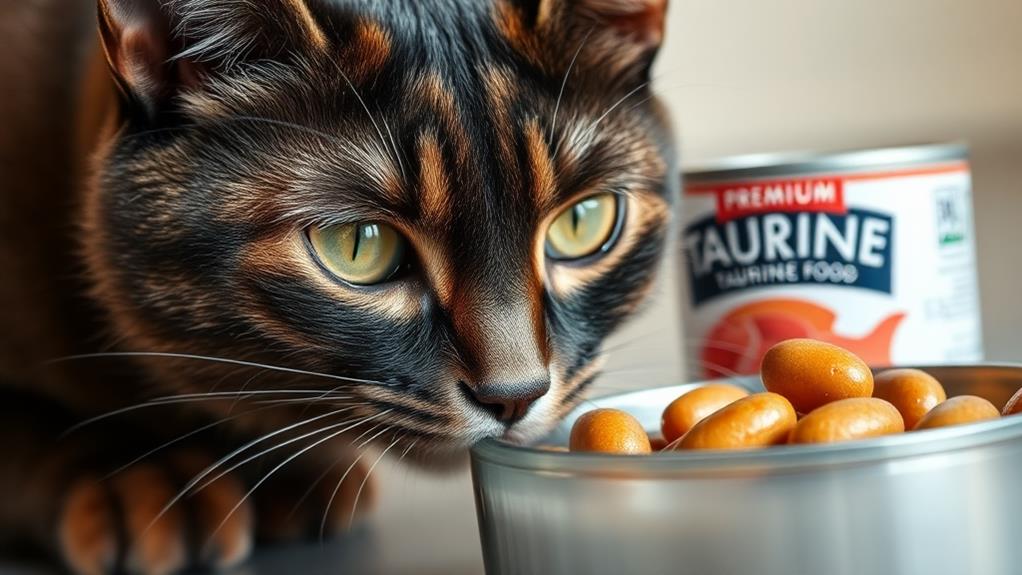
Taurine supplementation plays an essential role in maintaining feline health, especially for cats with specific medical conditions or those on insufficient diets. It is understood that cats require taurine for proper heart function, vision, and overall well-being. If you’re concerned about your furry friend’s taurine levels, don’t fret! High-quality supplements are readily available in various forms, including tablets, liquids, and powders.
To guarantee your cat’s getting enough taurine, we recommend following the AAFCO guidelines: 25 mg per 100 kcal in dry food and 50 mg per 100 kcal in canned food. Remember, kittens and pregnant or nursing cats need even more taurine for growth and development. Regular check-ups with your vet can help monitor taurine levels and prevent potential health issues. By staying vigilant and supplementing when necessary, we can keep our feline companions healthy and thriving.
Recommended Products

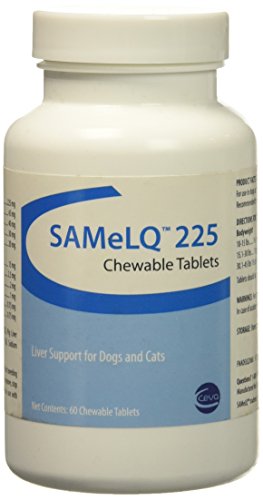
SUPPORTS HEALTHY LIVER FUNCTION: Formulated with SAMe (S-Adenosyl Methionine) to help support normal liver function, healthy detoxification processes, and overall liver health in dogs and cats.
![S-Adenosyl-100 [SAMe] For Small Dogs and Cats, 60 Tablets](https://m.media-amazon.com/images/I/41ao2CzGkHL._SL500_.jpg)
SAMeLQ Chewable Tablets are recommended to improve hepatic
Monitoring Taurine Levels Regularly
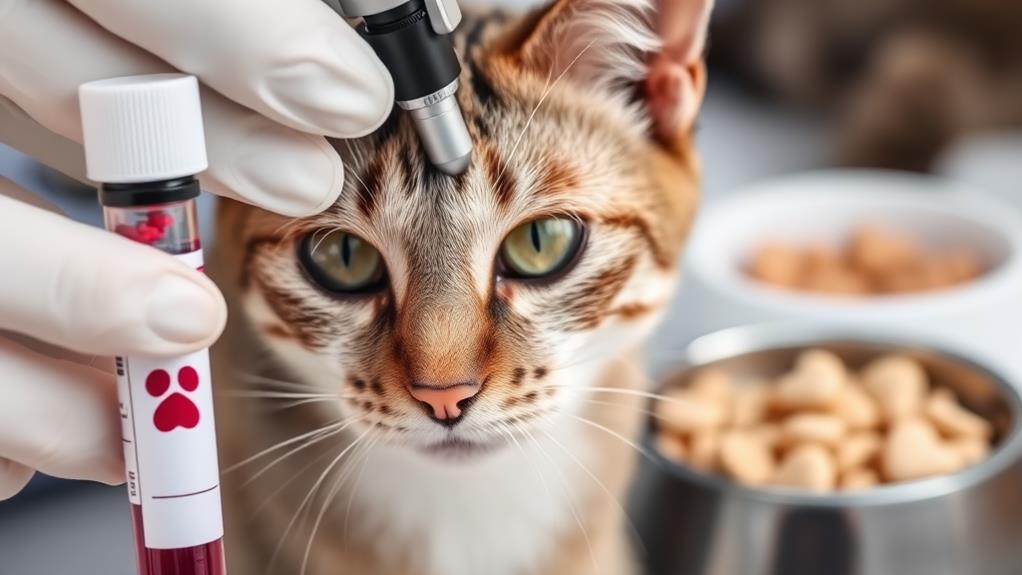
While supplementation is important, keeping a close eye on your cat’s taurine levels is equally essential. Regular veterinary check-ups should include blood tests to monitor taurine levels, especially for cats on homemade diets or showing symptoms of deficiency. We can’t stress enough the importance of maintaining a dietary log to guarantee your furry friend meets the minimum taurine requirements.
Let’s break down some key points for monitoring your cat’s taurine levels:
- Watch for symptoms like lethargy or poor coat condition
- Schedule regular veterinary check-ups with blood tests
- Keep a detailed dietary log of your cat’s food intake
- Pay extra attention to kittens, pregnant, and nursing cats
Addressing Special Taurine Needs
How do we address the unique taurine requirements of certain feline groups? Kittens, pregnant cats, and nursing mothers need higher amounts of taurine than adult cats. We can’t overlook this vital nutrient, as a deficiency in cats can lead to serious health issues. To guarantee our feline friends get enough taurine, we should prioritize high-quality cat food that’s specifically formulated for their life stage. These foods are usually fortified with the right amount of taurine to meet their needs.
For cats with special dietary requirements or those on homemade diets, we might need to take into account taurine supplements. It’s important to consult with a veterinarian to determine the appropriate dosage and form of supplementation. Remember, while we value freedom in our choices, when it comes to our cats’ health, following expert guidance is key to preventing taurine deficiency and its associated problems.
Recommended Products

KITTEN MILK REPLACEMENT - When mom can’t nourish them, KMR can. Scientifically the next best to mother’s milk, KMR provides all the nutritional elements necessary for kittens, newborn to six weeks old.

CHICKEN & DUCK RECIPE - Great nutrition has a new texture. Pamper and please your cat with a delicious, nutritious, and satisfying meal. Pack of 24, 2.8 Oz each.

Made with real, shredded chicken.
Avoiding Common Taurine Mistakes
Cat owners often stumble into common pitfalls when it comes to guaranteeing their feline friends get enough taurine. We’ve identified some key mistakes to avoid:
- Relying on plant-based or homemade diets without proper supplementation
- Feeding dog food to cats, which lacks essential taurine
- Neglecting to check commercial cat food labels for AAFCO-recommended taurine levels
- Overlooking signs of taurine deficiency
To keep our feline companions healthy and free, we need to be vigilant about their taurine intake. Always opt for high-quality, animal-based proteins in their diet. When choosing commercial cat food, look for products that meet or exceed the recommended taurine levels. If you’re considering a homemade diet, consult with a veterinarian to guarantee it’s nutritionally balanced. Remember, our cats depend on us to make informed choices about their nutrition, so let’s stay proactive in preventing taurine deficiency.
Recommended Products

Contains One 30LB Bag of NutriSource Senior Dog Food, Made with Chiken and Rice, with Wholesome Grains

item_display_weight; 7500.0 grams

Irresistible Taste: Infused with real cheese flavor, Kitty Bloom VM 900+3 is a hit even with the pickiest eaters. Low-volume servings ensure easy intake without compromising on nutrition.
Frequently Asked Questions
What Is a Good Source of Taurine for Cats?
We’ve got taurine-rich foods for our feline friends! Let’s explore natural sources like meat, fish, and organ meats. If we’re feeling adventurous, we can try supplement options. Whatever we choose, we’re giving our cats the freedom to thrive!
What Are the Symptoms of Taurine Deficiency in Cats?
Heads up, cat lovers! We’re diving into the taurine tango. Watch for lethargy, poor coat, and weight loss. Eyes and heart can suffer silently. Feline nutrition is key—ensure proper taurine absorption or consider dietary supplements for your furry rebel.
How Much Taurine per Day for a Cat?
We’d suggest 30-80 mg of taurine daily for our feline friends, depending on their diet. Let’s embrace ideal taurine levels through taurine-rich diets or supplementation. The benefits are clear – it’s about giving our cats the freedom to thrive!
What Are the Symptoms of Taurine Deficiency?
We’ve noticed our feline friends feeling a bit under the weather lately. Poor taurine absorption can lead to some unpleasant surprises. Let’s explore feline nutrition and dietary sources to keep our cats purring freely and living their best lives.