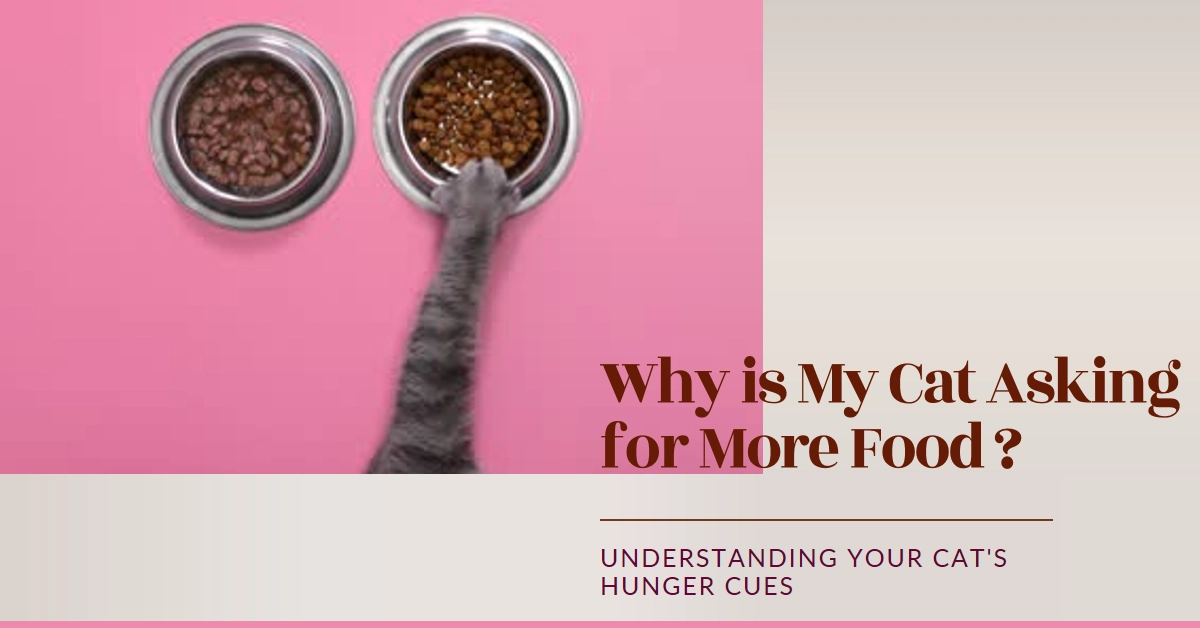
Is your feline friend constantly begging for meals? Does your cat act like it’s starving all the time? If so, you’re not alone. Many cat owners struggle with food-obsessed cats. This article will explore the reasons behind a cat’s food obsession and provide vet-verified tips to handle this behavior.
Understanding Food Obsession in Cats
Food obsession in cats can manifest in various ways:
- Constant meowing or begging for food
- Trying to steal food from plates or counters
- Eating too quickly
- Always seeming hungry
- Aggressive behavior around food
You may be interested
While some cats naturally have bigger appetites, true food obsession often signals an underlying issue. Let’s look at some common reasons cats become fixated on food.
Recommended Products

Innovative Slow Eating Solution: The PetDreamHouse PAW Slow Feeder Dish is masterfully crafted to decelerate your dog's eating pace. Unlike other feeders that frustrate your pet, our dish's small, shallow compartments encourage tiny, enjoyable bites, promoting slow and healthy eating habits. This thoughtful design helps prevent the risk of bloating and overeating, making mealtime a delight, not a challenge.

【Premium Solid Wood Craftsmanship】 The Downpat cat bowls stand is made from premium solid wood with a fine, furniture-grade finish. Each piece is polished smooth for durability and beauty, creating a natural, eco-friendly cat food bowl stand that blends perfectly with modern home décor
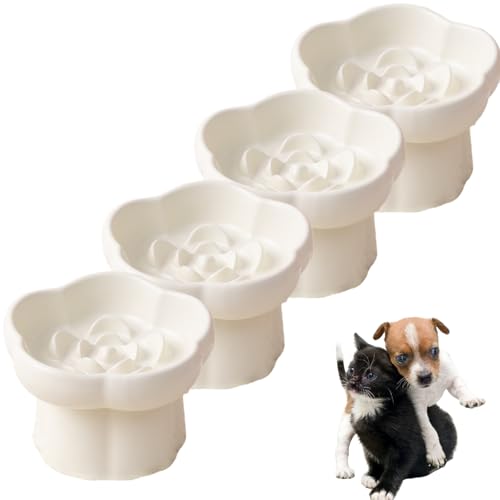
Innovative Design: Our Ceramic Elevated Slow Feeder Cat Bowls are thoughtfully crafted to combat whisker fatigue, ensuring mealtime comfort for your indoor cats and small breeds. The raised elevation promotes a natural eating posture, making it ideal for both wet food and dry kibble.
Medical Causes of Food Obsession
A cat’s sudden increased interest in food may stem from health problems. Some medical issues that can cause a cat to be obsessed with food include:
- Hyperthyroidism
- Diabetes
- Intestinal parasites
- Certain medications
- Malabsorption disorders
If your cat’s eating habits have changed dramatically, it’s crucial to visit the vet. A full checkup, including blood work and urinalysis, can rule out medical causes.
Psychological Reasons for Food Obsession
Once medical issues are excluded, psychological factors may be behind your cat’s food fixation:
- Anxiety or stress
- Boredom
- Past food scarcity (in rescue cats)
- Learned behavior
Cats may turn to food for comfort or entertainment when their other needs aren’t met. Identifying the root cause is key to addressing the behavior.
Signs Your Cat Is Obsessed with Food
How can you tell if your cat’s appetite is normal or obsessive? Look out for these signs:
- Meowing excessively around meal times
- Trying to break into food containers
- Stealing food from plates or other pets
- Eating non-food items
- Aggressive behavior when food is present
- Weight gain
If you notice several of these behaviors, your cat may have developed a food obsession.
How to Handle a Food-Obsessed Cat
Dealing with a food-obsessed cat requires patience and consistency. Here are some vet-approved strategies to help manage your cat’s fixation on food:
Recommended Products
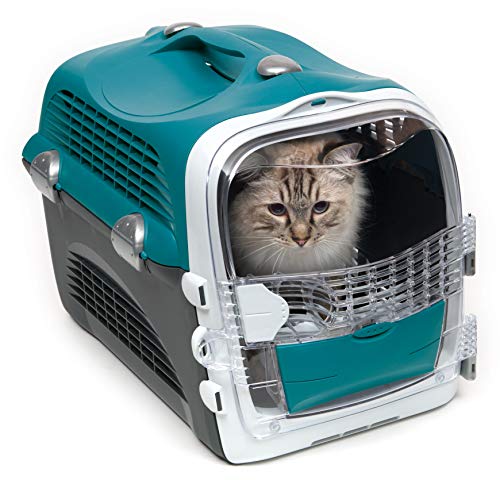
Cat carrier with unique 360° accessible design with single-hand locking mechanism and complete ventilation

Healthy Eating Starts with Slow Feeder Dog Bowls:This upgraded automatic dog feeder features a stainless steel slow-feed bowl that reduces eating speed by up to 2×, making it not only a automatic cat feeder but also prevents choking, bloating, and indigestion, supporting better digestion for cats and small dogs that eat too fast.

Complete Feeding Set: This set includes 2 durable stainless steel bowls, a non-slip silicone mat, and 2 removable silicone inserts for easy cleaning. The mat prevents spills and slides, ensuring a stable feeding area, while the bowls are designed to withstand daily use. Ideal for both dogs and cats, this versatile pet bowl set makes mealtime more enjoyable. The bowls are dishwasher-safe, and the silicone mat can be easily wiped clean, making it a practical choice for busy pet owners.
1. Rule Out Medical Issues
Before trying behavioral solutions, take your cat to the veterinarian. A thorough exam can detect any underlying health problems causing increased hunger.
2. Feed a High-Quality Diet
Ensure your cat eats nutritious food that meets all their dietary needs. Low-quality cat food may leave your pet feeling unsatisfied, leading to overeating. Consult your vet about the best food options for your cat.
3. Establish a Feeding Schedule
Instead of free-feeding, set regular meal times for your cat. This helps regulate their appetite and prevents constant grazing. Most adult cats do well with two meals per day.
4. Use Puzzle Feeders
Puzzle toys and slow feeders make cats work for their food, providing mental stimulation and slowing down their eating. This can help satisfy both their hunger and need for entertainment.
5. Increase Physical Activity
A tired cat is less likely to fixate on food. Engage your cat in daily play sessions to burn energy and reduce boredom-related eating.
6. Address Anxiety
If stress is causing your cat to overeat, work on creating a calm environment. Consider using pheromone diffusers or consulting a behaviorist for severe anxiety cases.
7. Don’t Reward Begging
Avoid giving in to your cat’s demands for food outside of meal times. This only reinforces the begging behavior.
8. Offer Small, Frequent Meals
Some cats do better with several small meals throughout the day rather than two large ones. This mimics their natural feeding pattern in the wild.
Feeding Tips for Food-Obsessed Cats
Here’s a handy table with feeding tips to help manage your food-obsessed cat:
| Tip | Description |
| Measure portions | Use a measuring cup to ensure you’re not overfeeding |
| Stick to a schedule | Feed at the same times each day |
| Use elevated bowls | This can slow down eating and improve digestion |
| Separate multiple cats | Feed cats in different rooms to prevent food competition |
| Rotate food types | Mix wet and dry food to keep meals interesting |
| Hide food around the house | Encourage natural foraging behavior |
Recommended Products

Homey Pet Dog Crate Bank: Includes: 6 Pack two tiers taller 43 inch stackable dog crate(Size: 42.5"L x 28"W x 66"H). Each unit measure 42.5"L x 28"W x 34.5"H (the interior height: 28 inches). Each unit comes with 1 x Tray, 2 x Metal Floor Grids, 4 x Locakable Casters, Multi Locks, 2 x Steel Feeding Bowls (Food & Water). Perfect dog crate cage kennel for small to large dog breeds. Choose spacious dog kennels keep your dog's comfort and safety

Homey Pet Dog Crate Bank Includes: 4 Pack Three tiers stackable dog crate. Each unit comes with 4 x Lockable Casters, 2 x Steel Bowls, 1 x Door Lock (Pre-installed), 1 x PP Tray, 2 x Metal Floor Grids, 1 x Tray Guard, 2 x Open-Top Securing Screws, 2 x Floor-Grid Fixing Screws, and all required assembly screws

CONVENIENT PET FOOD STATION: This cat and dog feeder station with a size of 21.5" in width, 13" in depth, and 34" in height. No assembly is required to save you the hassle of assembling this dog organization and storage cabinet
When to Worry About Your Cat’s Eating Habits
While some cats simply enjoy their food, certain behaviors warrant a trip to the vet:
- Sudden increase in appetite
- Eating but losing weight
- Vomiting after meals
- Lethargy despite increased food intake
- Drinking excessive amounts of water
These symptoms could indicate serious health issues requiring prompt medical attention.
Frequently Asked Questions About Food-Obsessed Cats
Here are answers to common questions about cats obsessed with food:
Q: Can cats become addicted to certain foods?
A: While cats can develop strong preferences, true food addiction is rare. However, some cats may fixate on high-calorie or flavored foods.
Q: Is it normal for kittens to be obsessed with food?
A: Kittens have high energy needs and may seem constantly hungry. However, excessive food obsession isn’t normal even in young cats.
Q: Can changing my cat’s diet help with food obsession?
A: Sometimes, switching to a more nutritious or satisfying food can reduce a cat’s fixation on eating. Always consult your vet before making dietary changes.
Q: How long does it take to break a cat’s food obsession?
A: Breaking the habit can take weeks or months, depending on the cause and how long the behavior has persisted. Consistency is key.
Q: Should I use an automatic feeder for my food-obsessed cat?
A: Automatic feeders can help maintain a consistent feeding schedule. However, they don’t address the root cause of food obsession.
Conclusion: Helping Your Cat Overcome Food Obsession
Dealing with a cat obsessed with food can be challenging, but understanding the causes and implementing the right strategies can make a big difference. Remember these key points:
- Always rule out medical issues first
- Provide a nutritious, satisfying diet
- Establish a consistent feeding routine
- Use puzzle feeders and play to combat boredom
- Address any underlying anxiety or stress
- Be patient and consistent in your approach
With time and effort, most cats can develop a healthier relationship with food. If you’re struggling to manage your cat’s food obsession, don’t hesitate to seek help from a veterinarian or animal behaviorist. Your cat’s health and happiness are worth the effort!
Summary Table
| Issue | Description | Solution |
| Hyperthyroidism | Overactive thyroid gland causing increased appetite | Vet consultation, medication |
| Diabetes | Inability to use glucose properly, leading to constant hunger | Vet consultation, insulin therapy |
| Intestinal Parasites | Worms causing malnutrition and increased hunger | Regular deworming, vet check-ups |
| Boredom | Lack of mental stimulation leading to food obsession | Provide toys, puzzle feeders, interactive play |
| Stress and Anxiety | Changes in the household causing stress-related eating behaviors | Create a calm environment, provide hiding spots |
| Learned Behavior | Associating begging with getting food | Consistent feeding schedules, ignore begging |
| Proper Feeding Practices | Feeding smaller, more frequent meals, using puzzle feeders | Scheduled meal times, avoid free-feeding |
| Environmental Enrichment | Providing toys, scratching posts, and interactive play | Create a stimulating environment with cat trees and perches |
| Behavioral Training | Ignoring begging, using positive reinforcement | Reward good behavior with treats or affection, not food |
By following these guidelines and understanding the reasons behind your cat’s food obsession, you can help your feline friend develop healthier eating habits and improve their overall quality of life.