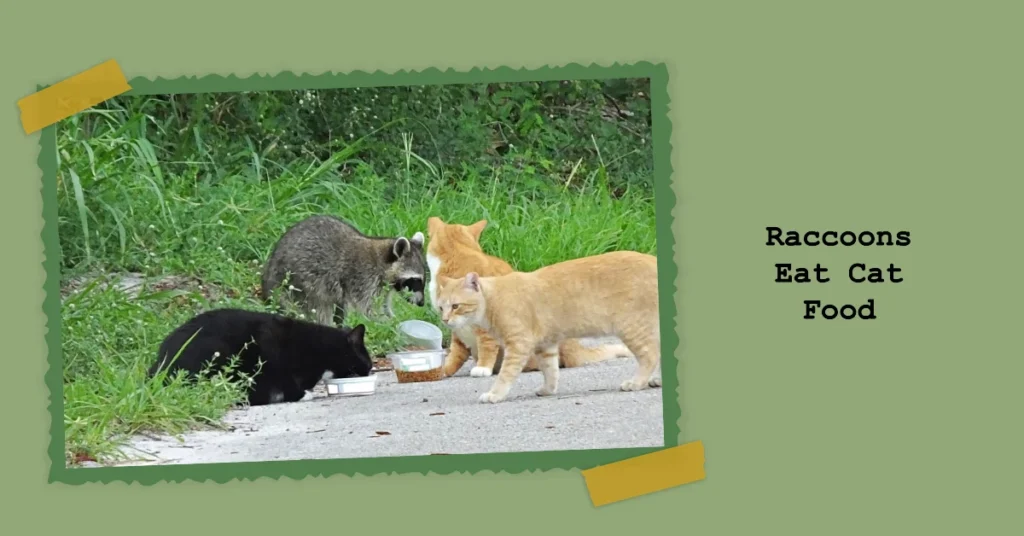
If you feed outdoor cats or have a cat door that allows your feline friend to come and go, you may have noticed that the food you leave out sometimes disappears faster than your cat can eat it. The culprit? It could be raccoons. These furry bandits are known for their love of cat food. Let’s explore why raccoons eat cat food and what you can do to stop them.
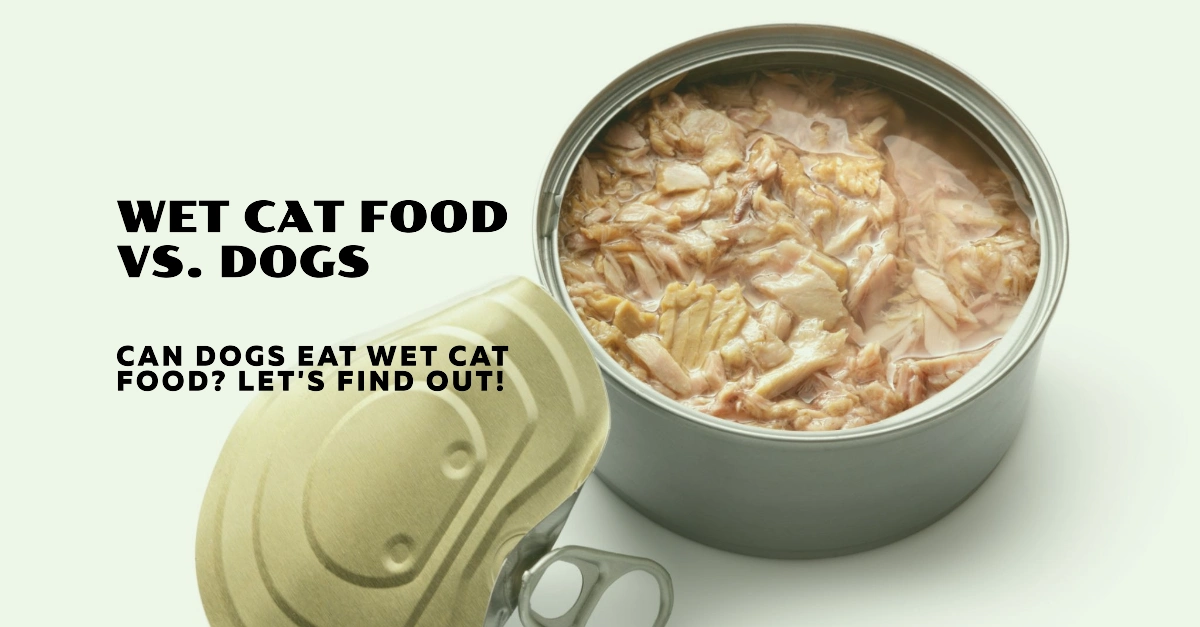
Do Raccoons Really Eat Cat Food?
The simple answer is yes, raccoons will happily eat cat food given the chance. Raccoons aren’t picky eaters. They will munch on a wide variety of things, from fruits and nuts to insects, eggs, and small animals. Cat food is an easy meal for urban raccoons.
There are a few reasons why raccoons find cat food so appealing:
- It’s a concentrated source of protein and fat
- The smell attracts them
- It’s often readily available in bowls left outside for cats
So if you leave cat food outdoors, don’t be surprised if you end up feeding some raccoons too!
The Problems with Raccoons Eating Cat Food
While it may not seem like a big deal to have raccoons snacking on your cat’s kibble, it can actually cause some issues:
- Your cat may not get enough to eat
- Raccoons can carry diseases that could make your cat sick
- Raccoons may become too comfortable around your home
- A raccoon could potentially hurt your cat if they cross paths
Raccoons are wild animals, even if they look cute and cuddly. It’s best to enjoy watching them from a distance rather than encouraging them to hang around by providing a steady food source.
Recommended Products

Dual-Cat Exclusive Feeding System (Pack of 2) : This matched pair of Petlibro automatic cat feeders operates simultaneously yet independently, each recognizing its assigned cat through unique RFID collar tags. Adjust the lid speed to suit your cat's comfort level. (Only supports the included RFID collar tag.)

【1080P HD Camera with Night Vision】 Watch stray cats eat in real time with the built-in high-definition camera. Infrared night vision delivers clear footage even in complete darkness—so you can monitor their health, behavior, and activity day or night, right from your phone. Motion detection sends instant alerts when a cat approaches.
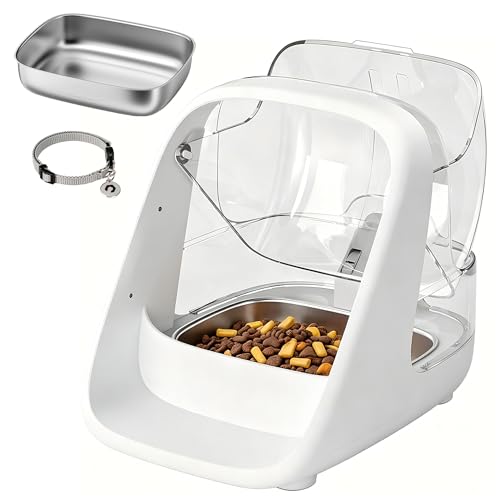
Stops Food Stealing in Multi-Cat Homes — Tired of one cat eating everyone’s food? This microchip cat feeder opens only for the registered cat, helping prevent food stealing, food guarding, and prescription diet mix-ups. Its enclosed design helps block side and rear access from other pets.
How to Keep Raccoons Out of Cat Food
Now that you know raccoons have a taste for cat food, what can you do to prevent them from raiding your cat’s meals? Here are some tips:
Recommended Products

Keep Wet and Fresh Pet Food Cold: True 40°F refrigeration with dual semiconductor cooling helps keep fresh pet food properly chilled and ready for serving

SMART, AUTOMATIC FEEDING: Never miss a feeding and ensure your cat or dog gets the right amount of food on time, every time. Feeder-Robot features anti-jam technology and food backup detection to prevent missed meals.

Dual-Cat Exclusive Feeding System (Pack of 2) : This matched pair of Petlibro automatic cat feeders operates simultaneously yet independently, each recognizing its assigned cat through unique RFID collar tags. Adjust the lid speed to suit your cat's comfort level. (Only supports the included RFID collar tag.)
1. Feed your cat indoors
The simplest solution is to feed your cat inside your house and not leave any food outdoors. If your cat stays indoors full-time, problem solved!
2. Pick up food after mealtimes
If you have an outdoor cat, get in the habit of only putting out food during the day and picking up any leftovers before nightfall. Raccoons are most active at night, so removing the temptation of a free meal can help keep them away.
3. Use a raccoon-proof feeding station
If you need to leave food out for feral cats or your outdoor kitty, consider getting a feeding station designed to keep raccoons out. Look for ones with openings too small for adult raccoons to fit through.
4. Secure trash cans and compost bins
Raccoons are opportunistic eaters. Even if you cut off their access to cat food, they may still poke around your property looking for other food sources like garbage or compost. Use trash cans with tight-fitting, lockable lids and secure compost bins to discourage scavenging.
5. Bring in other attractants
Besides food, raccoons may hang around if you have other things in your yard they find appealing, like a pond with fish or a fruit tree. Picking up fallen fruit and using netting or fencing to protect ponds can help.
6. Try scare tactics
If raccoons are regularly visiting, you can try to frighten them off with loud noises, bright lights, or a motion-activated sprinkler. However, keep in mind that these techniques won’t work on every raccoon and they may get used to them over time.
7. Call a professional
If you have persistent raccoon problems, it may be time to contact a wildlife removal service. They can safely and humanely trap and relocate the animals to a better habitat away from people.
Table: Comparison of Prevention Methods
| Method | Effectiveness | Pros | Cons |
| Feed Cats Indoors | High | Eliminates access to food | Requires indoor space |
| Remove Food After Meals | High | Reduces attraction | Requires consistent effort |
| Raccoon-Proof Containers | Medium | Keeps food secure | Initial cost |
| Elevated Feeding Stations | Medium | Utilizes cats’ jumping ability | May require construction |
| Motion-Activated Sprinklers | Medium | Non-harmful deterrent | May startle cats |
| Natural Repellents | Low | Easy to apply | May affect cats |
| Secure Trash and Compost | Medium | Reduces overall attraction | Requires secure containers |
Recommended Products

AIRTIGHT SEAL, LOCKED TIGHT: Clamp the lid shut and a silicone gasket forms an airtight seal — keeping pet food fresh and curious paws out.

The information below is per-pack only

【Keep Pet Food Fresh Longer】An airtight silicone-sealed lid locks out air and moisture to keep dry dog and cat food fresh, crunchy, and full of flavor. Perfect for maintaining food quality and reducing waste, so your furry friends enjoy every bite like it’s new.
Do Raccoons Get Along with Cats?
You may be wondering, besides stealing food, do raccoons pose any other risks to cats? In general, raccoons and cats tend to ignore each other and go about their own business. However, conflicts can sometimes occur, especially if:
- A raccoon is sick or feels cornered
- A cat tries to defend its food or territory
- A mother raccoon sees a cat as a threat to her babies
While a healthy adult cat may be able to hold its own against a raccoon, kittens and elderly cats could be at risk of injury. Raccoons can also carry diseases like rabies, distemper and parasites that could spread to cats.
The bottom line? It’s best to keep cats and raccoons apart as much as possible by limiting their interactions and access to shared resources like food. Supervise your cat when it’s outdoors, and if you notice a raccoon acting strangely, contact animal control right away.
Protecting Cats and Wildlife
Raccoons eating cat food may seem harmless, but it’s important to remember that feeding wildlife, even unintentionally, can have negative consequences. Raccoons that become too used to people and dependent on human-provided food may struggle to survive on their own. They can also become a nuisance if they start damaging property or showing aggression in their search for an easy meal.
By taking steps to keep raccoons out of your cat’s food, you’re protecting not only your feline friend but also the raccoons themselves. Letting wild animals stay wild is the kindest thing we can do for them. With a little effort, cats and raccoons can coexist peacefully in our neighborhoods, each sticking to their own diets and spaces.
Additional Tips
- Supervise Outdoor Feeding: If you must feed your cats outside, supervise them during meal times to ensure raccoons do not approach.
- Regular Cleaning: Keep the feeding area clean to avoid attracting raccoons with leftover food or odors.
- Professional Help: If raccoon problems persist, consider contacting wildlife control professionals for safe and humane removal.
By following these guidelines, you can enjoy the company of your cats without the unwanted presence of raccoons.