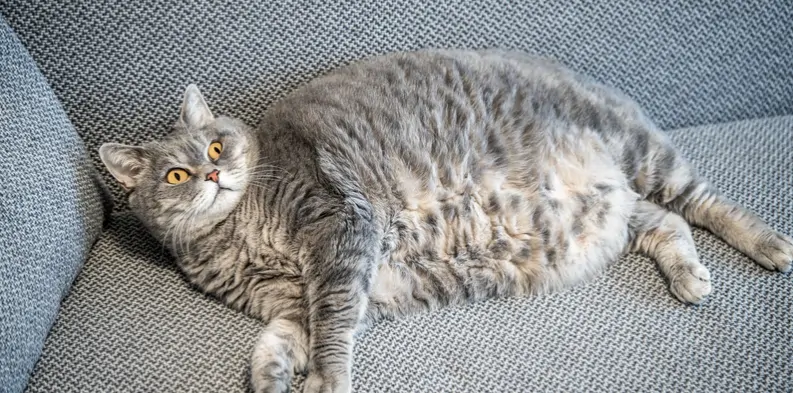
Cats, like humans, can struggle with weight issues. An overweight cat is at risk for various health problems, including diabetes, arthritis, and heart disease. One of the most common questions cat owners face is whether wet or dry food is better for helping their cat lose weight.
This article will explore the pros and cons of both types of food and provide tips for helping your cat achieve a healthy weight.
Understanding the Basics: Wet vs. Dry Cat Food
Recommended Products

The information below is per-pack only

The information below is per-pack only

HIGH PROTEIN & GRAIN FREE: Complete and balanced diet that is rich in protein & uses high-quality ingredients to support whole body health
Moisture Content
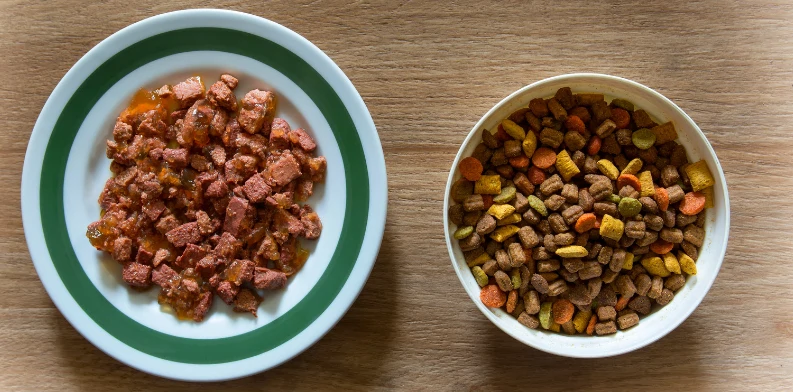
The primary difference between wet and dry cat food is the moisture content. Wet cat food contains about 70-85% water, while dry cat food contains only about 6-10% water. This difference can significantly impact your cat’s hydration and overall health.
Nutrient Density
Dry food is more calorie-dense than wet food. This means that a cat can consume fewer calories with wet food while still feeling full due to the higher water content. Wet food typically has fewer carbohydrates and more protein, which can be beneficial for weight loss.
Benefits of Wet Cat Food for Weight Loss
Recommended Products
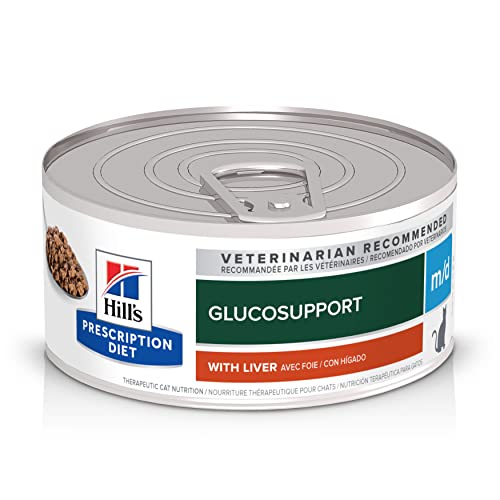
Hill's Prescription Diet m/d GlucoSupport with Liver Flavor Canned Cat Food, is specially formulated by Hill’s nutritionists and veterinarians to support your cat’s glucose and weight management

Great-tasting high protein cat food that’s low in fat and calories

PROVEN RESULTS: Over 90% of slightly overweight cats fed Royal Canin Feline Weight Care Loaf in Sauce Canned Adult Wet Cat Food lost weight within two months
Higher Water Content
Wet food’s high moisture content helps keep your cat hydrated, which is essential for overall health. Proper hydration can also help prevent urinary tract issues, which are common in overweight cats.
Lower Calorie Density
Wet food generally has fewer calories per gram than dry food. This can help your cat feel full while consuming fewer calories, making it easier to achieve a calorie deficit necessary for weight loss.
Increased Palatability
Many cats find wet food more palatable than dry food. This can be particularly helpful if your cat is a picky eater or has dental issues that make chewing dry food difficult.
Benefits of Dry Cat Food for Weight Loss
Recommended Products

FOR CATS WITH DIGESTIVE SENSITIVITIES: Royal Canin Feline Health Nutrition Sensitive Digestion Cat Food Dry Formula is made for adult cats with digestive tract sensitivities

REAL CHICKEN FIRST: This Blue Buffalo wet cat food is made with real, high-quality chicken as the #1 ingredient
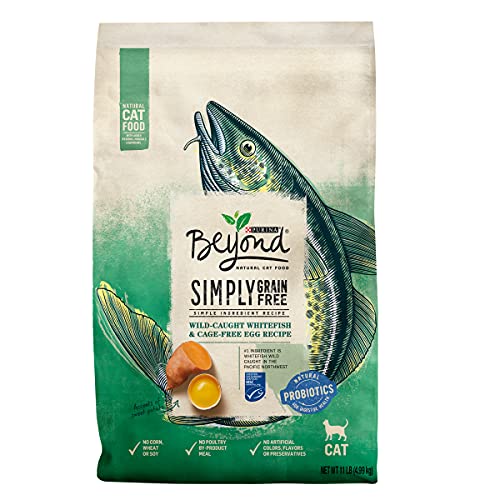
High protein cat food with real wild-caught whitefish as the number 1 ingredient
Convenience and Cost
Dry cat food is often more convenient and cost-effective than wet food. It has a longer shelf life and can be left out for extended periods without spoiling, making it easier to manage feeding schedules.
Dental Health
Some dry foods are formulated to help reduce tartar and plaque buildup on your cat’s teeth. While not a substitute for regular dental care, this can be a helpful addition to your cat’s overall health regimen.
Controlled Feeding
Dry food can be used in automatic feeders or food puzzles, which can help control portion sizes and encourage your cat to eat more slowly, aiding in weight management.
Combining Wet and Dry Food
Recommended Products

Powerful & Fast Cleaning: 20,000Pa suction and 32 water outlets work together to eliminate stubborn stains in no time, while the intelligent detergent system automatically adjusts cleaning liquid to match dirt levels.

Prescription Diet w/d Multi-Benefit is specially formulated by Hill’s nutritionists and veterinarians to help manage multiple conditions that respond to fiber, weight & glucose management, digestive issues, and urinary health
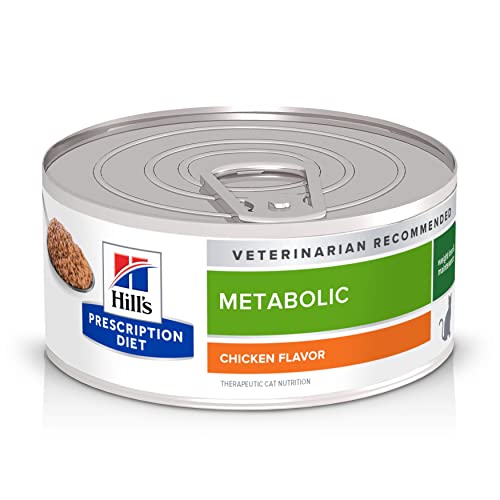
Hill's Prescription Diet Metabolic Weight Management Chicken Flavor Canned Cat Food helps cats lose weight and and keep the lost weight off naturally by activating their unique metabolism
Balanced Diet
Combining wet and dry food can offer the best of both worlds. The wet food provides hydration and lower calorie density, while the dry food offers convenience and dental benefits. This approach can help ensure your cat gets a balanced diet while working towards weight loss.
Feeding Schedule
Establishing a regular feeding schedule is crucial for weight management. Divide your cat’s daily food allowance into multiple small meals throughout the day. This can help prevent overeating and keep your cat satisfied.
Tips for Helping Your Cat Lose Weight
Recommended Products
Start Slow With Month One - The first month is all about easing into a healthy full body detox. This helps ensure gentle biofilm and energy support. Dosing will start low, and increase slowly and comfortably.*
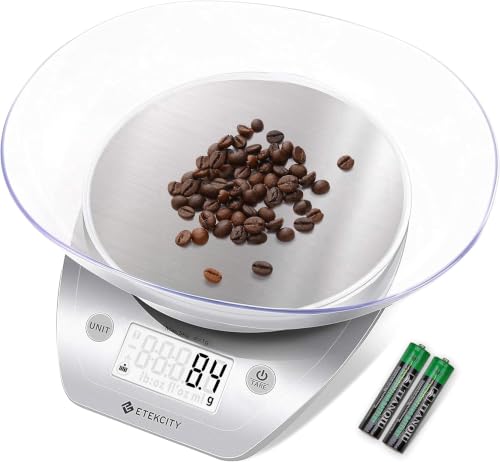

Max Load Capacity 1100lbs, Accuracy 0.2lbs - Pet scale delivers accurate readings, crucial for monitoring your pet’s weight over time. Whether you have a small cat or a large dog, this scale accommodates pets of all sizes, providing reliable measurements with each use.
Consult Your Veterinarian
Before making any changes to your cat’s diet, consult your veterinarian. They can help you determine your cat’s ideal weight and create a tailored weight loss plan.
Measure Food Portions
Use a kitchen scale to measure your cat’s food portions accurately. This ensures that you are not overfeeding and helps maintain consistency in your cat’s diet.
Increase Physical Activity
Encourage your cat to be more active by incorporating playtime into their daily routine. Use toys like laser pointers, feather wands, and treat-dispensing puzzles to keep your cat engaged and moving.
Monitor Progress
Regularly weigh your cat to track their progress. Aim for a gradual weight loss of about 1-2% of their body weight per week. Adjust their food intake as needed based on their progress.
Avoid Free-Feeding
Free-feeding, or leaving food out all day, can lead to overeating. Instead, feed your cat at specific times and remove any uneaten food after 20-30 minutes.
Sample Weight Loss Plan for Cats
| Meal Time | Food Type | Portion Size |
| Morning | Wet Food | 1/4 can |
| Midday | Dry Food | 1/8 cup |
| Evening | Wet Food | 1/4 can |
| Night | Dry Food | 1/8 cup |
Additional Tips
- Hydration: Ensure your cat has access to fresh water at all times.
- Treats: Limit treats to no more than 10% of your cat’s daily calorie intake.
- Environmental Enrichment: Provide scratching posts, climbing trees, and interactive toys to keep your cat mentally and physically stimulated.
Conclusion
Both wet and dry cat food have their benefits and drawbacks when it comes to helping your cat lose weight.
Wet food’s higher moisture content and lower calorie density can be advantageous, while dry food offers convenience and dental benefits.
Combining both types of food and following a structured feeding plan can help your cat achieve and maintain a healthy weight.
Always consult your veterinarian before making any changes to your cat’s diet and monitor their progress regularly to ensure they are on the right track.
By understanding the differences between wet and dry cat food and implementing a balanced approach, you can help your cat lose weight and improve their overall health and well-being.