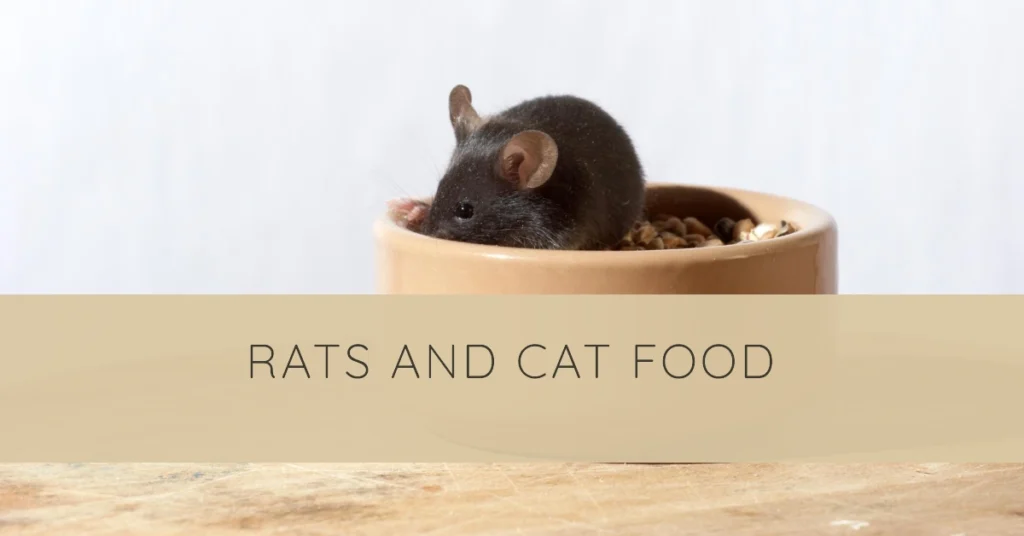
Rats make wonderful pets, but it’s important to feed them the right diet to keep them healthy. Many rat owners wonder if it’s okay to feed their pet rats cat food. After all, rats are known to eat almost anything. However, cat food is not a good choice for rats, even though they may like the taste. Let’s explore why.
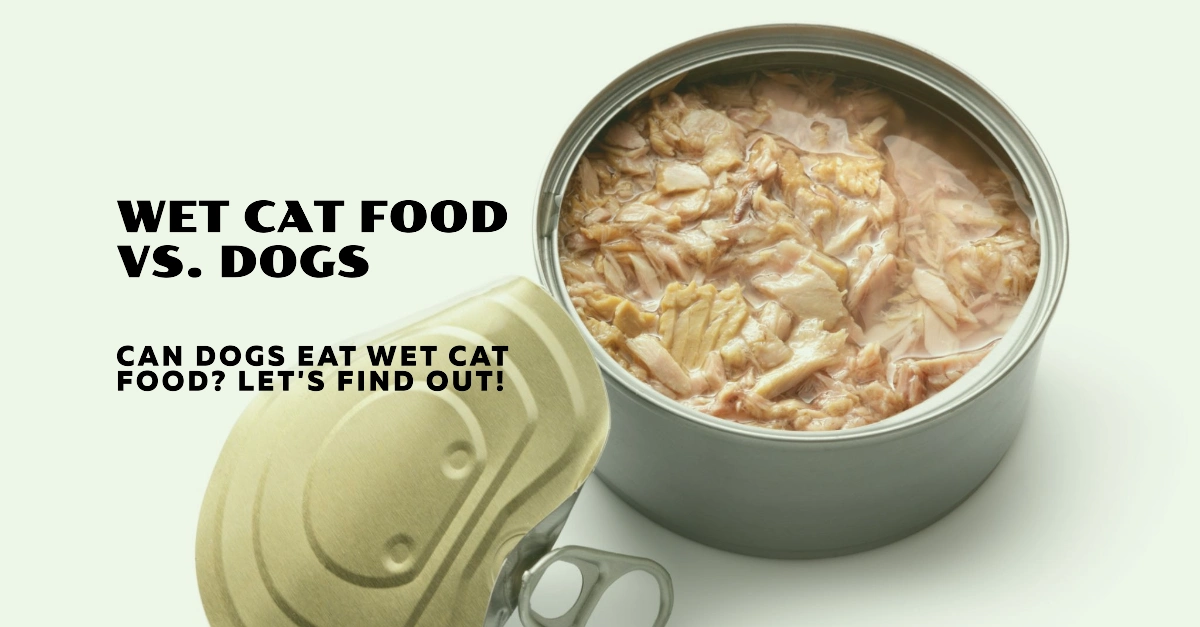
Can Rats Eat Cat Food?
The short answer is no, rats should not eat cat food on a regular basis. While rats can eat small amounts of cat food occasionally without major problems, a diet of cat food does not provide the right nutrition for rats.
There are a few key reasons why cat food is not suitable for rats:
- Cats are carnivores, while rats are omnivores
- Cat food is high in protein and fat
- Cat food lacks essential nutrients rats need
Recommended Products

Herbs For Happy Hens - Packed with oregano, basil, garlic, rosemary, red pepper, lavender, and calendula, this herbal chicken treat helps support your chickens, ensuring a vigorous flock.
Professionally Packaged in a Factory Sealed Plastic Bag
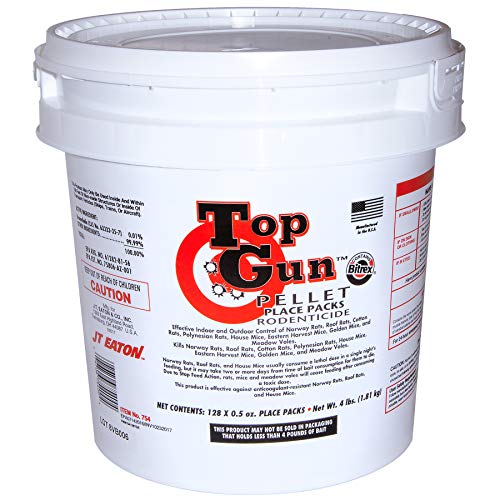
EFFECTIVE RODENT CONTROL: Designed to eliminate mice and rats with a powerful, fast-acting formula
Cats are Carnivores, Rats are Omnivores
One of the biggest differences between the dietary needs of cats and rats is that cats are obligate carnivores. This means they require animal protein to survive. Their bodies are designed to get most of their nutrients from meat.
In contrast, rats are omnivores. While they do need some animal protein in their diet, they also require plant-based foods like grains, vegetables, and fruits. Rats cannot thrive on the high protein, meat-based diet that cats need.
Cat Food is High in Protein and Fat
Because cats are carnivores, commercial cat foods are formulated to be very high in animal protein and fat. This is too much for rats.
Rats do need some protein and fat in their diet, but in much lower amounts than cats. Feeding rats a diet that’s too high in protein and fat can lead to obesity and other health issues over time.
Cat Food Lacks Essential Nutrients for Rats
Not only does cat food contain too much of certain nutrients like protein and fat, it also lacks other essential vitamins, minerals, and fiber that rats need to stay healthy.
Rats require a balanced diet with the right mix of nutrients. Commercial rat food and rat blocks are specifically formulated to contain everything pet rats need. Cat food just doesn’t measure up.
What Happens if a Rat Eats Cat Food?
If a rat sneaks a bite or two of cat food, it’s usually not a big deal. Eating cat food occasionally or in small amounts is unlikely to harm a healthy rat.
However, if a rat eats too much cat food, especially over a long period of time, it can lead to health problems such as:
- Nutritional Imbalance: Cat food does not provide the balanced nutrition that rats need.
- Obesity: High protein and fat content can lead to weight gain and related health issues.
- Vitamin Deficiency: Lack of essential vitamins and minerals can cause deficiencies.
- Digestive Issues: High protein and fat can be hard for rats to digest, leading to gastrointestinal problems.
Rats have sensitive digestive systems that are designed for an omnivorous diet. The high protein and fat content in cat food can be difficult for their bodies to process in large quantities.
Healthy Alternatives to Cat Food
Recommended Products

Humanely kills rats and mice; non-toxic and 100% SAFE for people, pets and wildlife

Description: Contrac bulk pellets is an excellent clean-out and maintenance bait to control mice and rats and Meadow Voles.

Build to Last: The food-grade 304 stainless steel and polishing process make this product safe, environmentally friendly, wear-resistant,and less prone to rust and oxidation, so it can maintain good aesthetics and practicality both indoors and outdoors.
Commercial Rat Food
The best option for feeding pet rats is commercial rat food, specifically formulated to meet their nutritional needs. These foods provide a balanced diet with the right amounts of protein, fat, vitamins, and minerals.
Fresh Foods
Rats benefit from a variety of fresh foods. Here are some safe options:
- Fruits: Apples (without seeds), bananas, berries, melons
- Vegetables: Carrots, broccoli, peas, sweet potatoes (cooked)
- Proteins: Lean meats, eggs, beans (cooked)
Rat blocks or pellets should make up the biggest part of a pet rat’s diet. These are nutritionally complete and balanced to meet rats’ needs. Supplement the blocks with small amounts of fresh foods for variety.
Treats are fine to give rats sometimes, but should only make up a small part of their overall diet. Avoid high-fat, sugary treats.
Feeding Guidelines for Pet Rats
Recommended Products
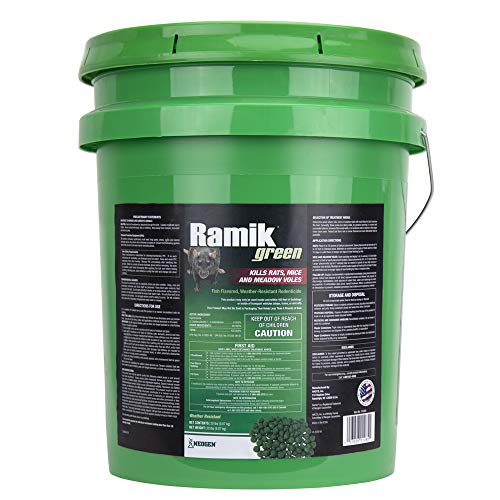
RODENT CONTROL: Kills rats, mice, and meadow voles

Low energy, low protein - Designed to address leg problems that can occur with high energy and protein.
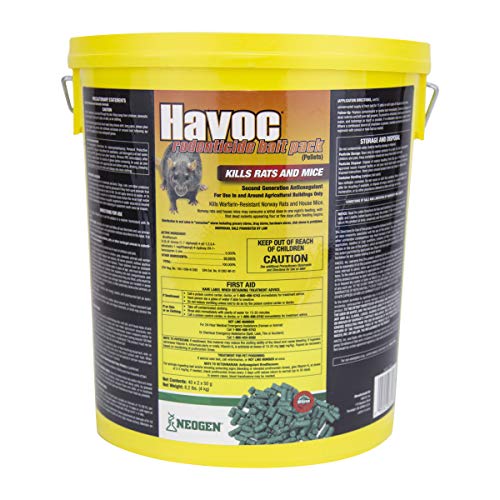
RODENT CONTROL: Kills house mice, Norway rats, and roof rats within 4-5 days after a lethal dose is consumed
Daily Diet
- Commercial Rat Food: This should be the primary source of nutrition.
- Fresh Foods: Supplement with small amounts of fruits and vegetables.
- Protein: Provide lean meats or eggs 2-3 times a week.
Treats
Treats should be given sparingly. Suitable treats include:
- Seeds
- Cooked pasta
- Cooked rice
- Unsweetened cereals
Storing Rat Food Safely
In addition to choosing the right food for pet rats, it’s also important to store their food properly to keep it fresh and safe. Follow these tips:
- Keep dry food in an airtight container
- Store food in a cool, dry place away from sunlight
- Refrigerate fresh foods and use within a few days
- Throw away any moldy or spoiled food
- Clean food bowls and containers regularly
Proper food storage helps prevent rats from getting sick from spoiled or contaminated food. It also keeps their food tasting and smelling appealing so they’ll want to eat it!
The Bottom Line
While rats may like the taste of cat food, it’s not a suitable diet for them. Rats are omnivores with specific nutritional needs that are different from cats.
To keep pet rats healthy, feed them a balanced diet that includes:
| Rat Food | Amount |
|---|---|
| Commercial rat blocks/pellets | Unlimited, as main diet |
| Fresh veggies and fruits | Small amounts daily |
| Lean protein like egg or meat | Occasional small amounts |
| Healthy treats like seeds or nuts | Limited, occasional treats |
Avoid feeding rats cat food or dog food on a regular basis. If you’re unsure about what to feed your pet rats, ask a veterinarian who is knowledgeable about rats for advice.
With a nutritious, rat-appropriate diet, your pet rats will thrive! Provide them with the right balance of nutrients in foods they enjoy to keep them happy and healthy for years to come.
Tips for Feeding Pet Rats
- Variety: Offer a variety of foods to ensure a balanced diet.
- Portion Control: Avoid overfeeding to prevent obesity.
- Fresh Water: Always provide fresh, clean water.
- Monitor Health: Regularly check your rat’s health and adjust their diet as needed.
Recommended Products

VERSATILE BIRD CAGE - This rolling steel birdcage with an accompanying stand provides an ideal living space for several small birds such as parakeets, canaries, or finches

The information below is per-pack only

【4-Tiers Spacious and Durable Cage, Full Two Story, Double Unit】【Full Middle Floor With 1/2-Inch Wire Spacing】Able to access between Floor with ladder. 【Durable Wrought Iron Construction】 is Easy to Assemble
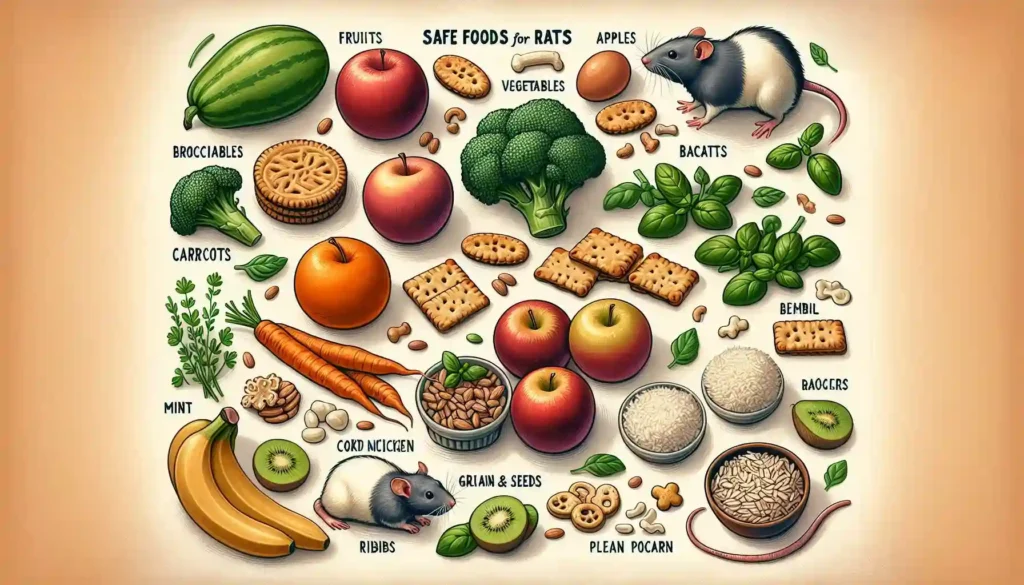
Safe Foods for Rats
Recommended Products

Our no-mess Whole Sunflower hearts are a high value bird feed - You aren’t paying for shells, dust, and debris that birds won’t eat and you will attract a vast variety of wild birds to your outside feeders.

FEED OUTDOOR WILDLIFE YEAR-ROUND: This product ships as two ten lb bags of shelled peanuts. We only sell the freshest, unsalted, raw Virginia peanuts removed from the shell and from the most current peanut crop available. Peanuts are a high energy food source and a great supplement to the diets of many wild animals. Wakefield peanuts are packed with proteins and essential fatty acids that are perfect post-rut, when your backyard pals are worn down and need to pack on some weight.

Med Sunflower Chips. Wild Bird Feeders And Accessories
Fruits
- Apples (without seeds)
- Bananas (ripe)
- Berries (strawberries, blueberries, blackberries, raspberries)
- Grapes (seedless)
- Melons (watermelon, honeydew)
- Peaches (without the pit)
- Pears
- Plums
- Pineapple
- Papaya
- Kiwi
- Cherries
- Pomegranate
Vegetables
- Broccoli
- Carrots
- Cauliflower
- Cucumber
- Green beans
- Kale
- Pumpkin
- Butternut squash (cooked)
- Tomatoes
- Peas (frozen peas in water can be fun for rats)
- Asparagus
- Bell peppers (all colors)
- Corn (fresh or cooked, not dried)
- Spinach (in moderation)
- Celery (leaves are fine)
- Lettuce (Romaine is preferred over iceberg)
Herbs
- Mint
- Basil
- Cilantro
- Parsley
Proteins
- Cooked chicken
- Cooked lean red meat (in moderation)
- Boiled eggs
- Yogurt (plain, low-fat)
- Cottage cheese (in small amounts)
Grains and Seeds
- Rice
- Oats
- Dry cereal (low in sugar)
- Whole wheat pasta
- Sunflower seeds (unsalted)
- Almonds
- Cashews
- Pistachios
- Pecans
- Walnuts (in small quantities)
- Flax seeds
- Sesame seeds
- Chia seeds
- Hemp seeds
Miscellaneous
- Dog biscuits (low in sugar and salt)
- Cooked legumes (never raw)
- Plain popcorn (unsalted, unbuttered)
- Whole grain crackers
Unsafe Foods for Rats
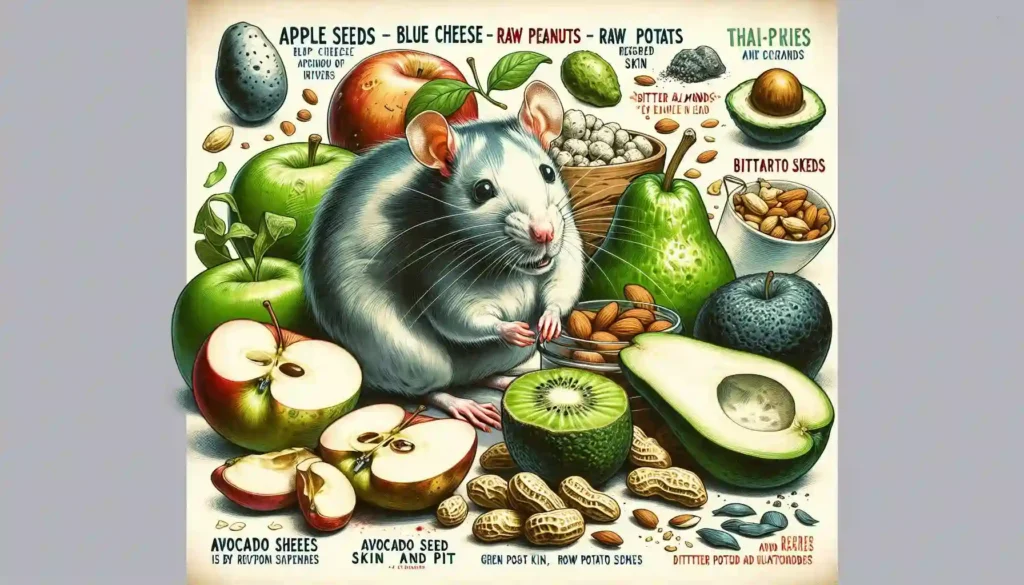
Toxic Foods
- Apple seeds (contain cyanide)
- Avocado skin and pit (contain persin)
- Blue cheese (toxic mold)
- Raw or dried beans and legumes (contain harmful lectins)
- Raw sweet potatoes (contain compounds that form cyanide)
- Green potato skins and eyes (contain solanine)
- Raw peanuts (contain mycotoxins)
- Licorice (causes neurological poisoning)
- Poppy seeds (cause illness and death)
- Rhubarb (contains oxalic acid)
- Bitter almonds (contain cyanide)
Foods to Avoid or Limit
- Citrus fruits and juice (harmful to male rats, can cause kidney cancer)
- Chocolate (high in fat and sugar, contains theobromine)
- Candy and sugary foods (cause obesity and tooth decay)
- Salty processed foods (high in sodium)
- Carbonated beverages (rats cannot burp)
- Caffeinated drinks (harmful to rats)
- Alcohol (causes respiratory depression and hypothermia)
- Sticky foods (peanut butter, honey, can cause choking)
- Dried corn (may contain fungal toxins)
- Raw bulk tofu (may contain bacteria)
- Wild insects (may carry diseases and parasites)
Foods to Feed with Caution
- Peanut butter (mix with something liquid to reduce choking risk)
- Soft, doughy bread (can cause choking)
- Mashed potatoes (can be too thick and sticky)
By following these guidelines, you can ensure that your pet rats receive the nutrition they need to stay healthy and happy.