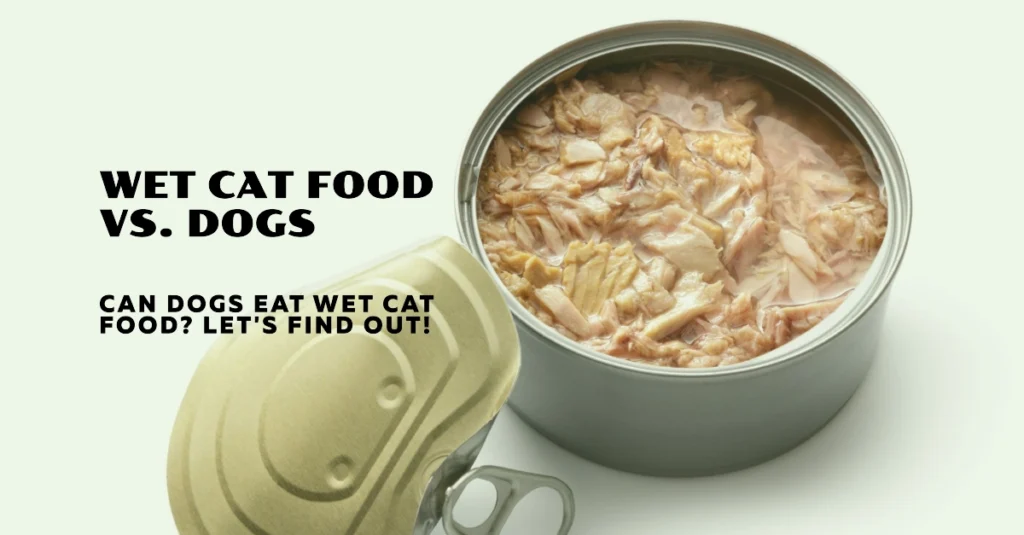
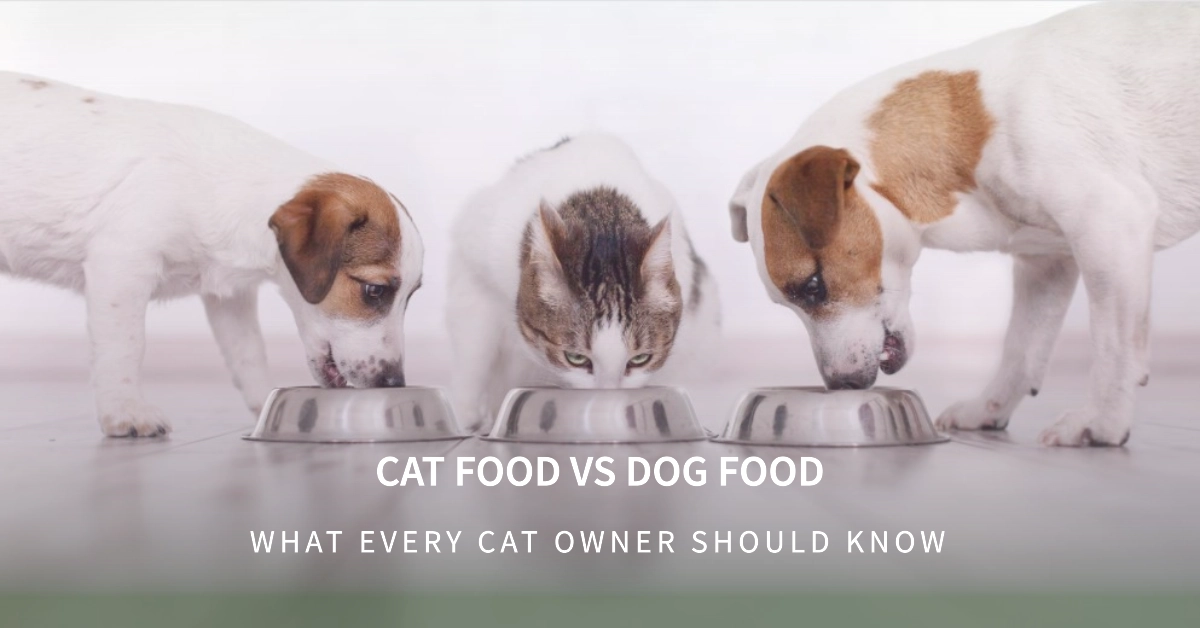
Many pet owners have both cats and dogs in their homes. It’s common to wonder if it’s safe for dogs to eat cat food, especially wet cat food. This article explores the health risks associated with dogs eating cat food and provides tips on how to prevent it.
Why Dogs and Cats Have Different Nutritional Needs
Dogs Are Omnivores
Dogs are omnivores, meaning they can eat both meat and plant-based foods. Their diet should include a balance of protein, carbohydrates, and fats to meet their nutritional needs.
Cats Are Obligate Carnivores
Cats, on the other hand, are obligate carnivores. They require a diet high in meat-based protein and specific nutrients like taurine, which they cannot produce on their own.
Nutritional Differences Between Dog Food and Cat Food
Protein Content
Cat food is higher in protein than dog food. Cats need more protein because they break down amino acids faster than dogs. Dog food, however, includes more grains and vegetables to provide a balanced diet.
Essential Nutrients
Cat food contains essential nutrients like taurine, arachidonic acid, and vitamin A, which are crucial for cats but not necessarily for dogs. Dog food lacks these nutrients in the amounts required by cats.
Table Nutritional Differences Between Dog vs Wet Cat Food
| Nutrient | Dog Food | Wet Cat Food |
| Protein | Moderate | High |
| Fat | Moderate | High |
| Taurine | Not required | Essential |
| Vitamin A | Synthesized from beta-carotene | Must be included in diet |
| Arachidonic Acid | Not required | Essential |
Health Risks of Dogs Eating Wet Cat Food
You may be interested
Recommended Products

HIGH PROTEIN, NUTRIENT DENSE: Featuring wild-caught Mackerel and free-range Lamb, Organs, Bone, and New Zealand Green Mussels, this grain-free dog food delivers nutrition with a mouth-watering taste for all dogs. Gentle air dried processing retains the goodness of the raw ingredients. This food offers stimulating crunchy texture small enough for puppy food but soft enough for senior dog food.

Vegetarian dog food formula contains a single hydrolyzed protein source

Gastrointestinal Upset

Dogs may experience gastrointestinal upset, such as diarrhea and vomiting, after eating cat food. This is because cat food is richer and higher in fat than dog food.
Pancreatitis
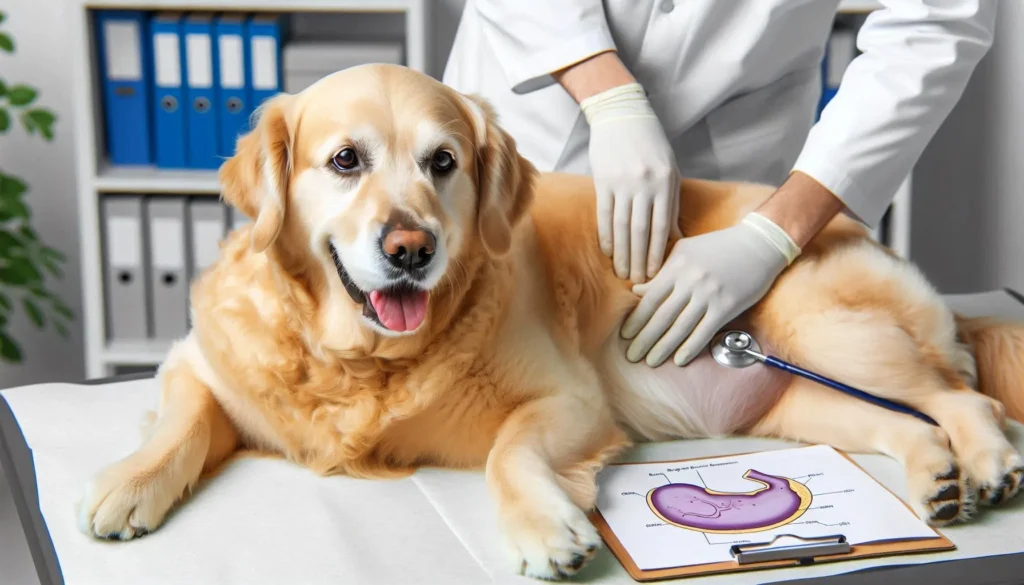
The high fat content in cat food can lead to pancreatitis in dogs. This condition causes inflammation of the pancreas and can be life-threatening if not treated promptly.
Nutritional Imbalances
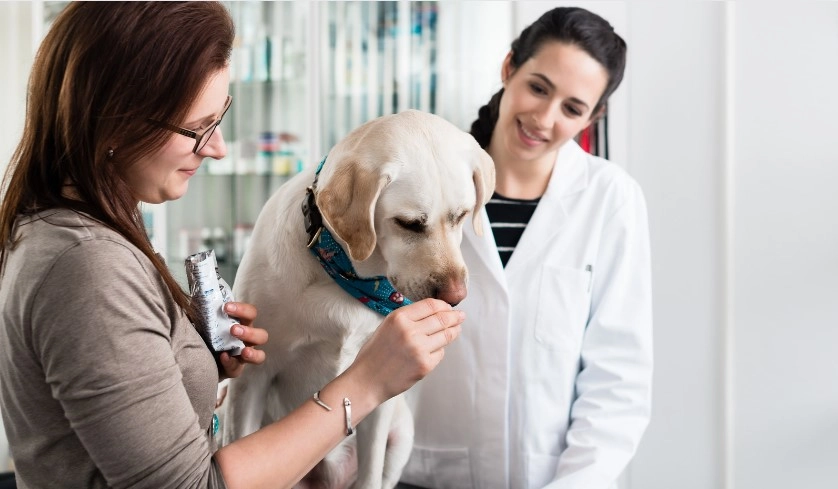
Feeding cat food to dogs regularly can result in nutritional imbalances. Dogs need a varied diet that includes both plant and animal-based nutrients, which cat food does not provide.
Is Wet Cat Food Safe for Dogs?
Recommended Products


BLACK DISPOSABLE GLOVES FOR PROFESSIONAL AND HOME USE – 5 mil thickness supports food handling, cleaning, hospitality operations, retail counters, office settings, light-medium duty shop tasks, and routine household projects. Designed for consistent performance across business, kitchen, and residential environments.

🔹Food plastic bags roll are 350pcs per roll, 12x20 inches, 0.5mil thickness. Microwave safe and Freezer safe. High temperature resistance 230°F, low temperature resistance -76°F.
Occasional Consumption
Occasionally, eating wet cat food is unlikely to cause significant harm to a healthy adult dog. However, it should not become a regular part of their diet.
Long-Term Effects
Long-term consumption of cat food can lead to obesity, liver and kidney issues, and other health problems in dogs. It’s essential to keep cat food out of your dog’s reach.
How to Prevent Dogs from Eating Cat Food
Recommended Products

Hand-crafted beautiful, large, and sleek design

Hand-crafted beautiful, large, and sleek design

Safe Scratching Outlet: Stimulate your cat’s primal instincts for scratching and climbing with this cat climbing pole and scratcher. Each wall cat scratcher pole comes with two cat wall Shelves and three-tier segments wound in durable sisal cat scratch rope that is sturdier and longer lasting than a jute cat scratch post for indoor cats. Your felines will love their cat pole!
Separate Feeding Areas
Feed your cat and dog in separate rooms to prevent them from accessing each other’s food. This can help ensure that each pet gets the right nutrients.
Elevated Feeding Stations
Place your cat’s food bowl on a high surface, like a counter or cat tree, where your dog cannot reach it. Cats can easily jump to higher places, while dogs cannot.
Use Pet Gates
Install pet gates to block off areas where you feed your cat. This can help keep your dog away from the cat’s food bowl.
Scheduled Feeding Times
Feed your pets at different times to avoid conflicts. Monitor their feeding times to ensure they are not stealing each other’s food.
What to Do If Your Dog Eats Cat Food
Recommended Products

A SMART FIRST STEP FOR COMMON DIGESTIVE CONCERNS Designed as an entry-level gut health test, this Basic Gut Check helps identify common digestive imbalances that may contribute to loose stools, mild food reactions, or early gut discomfort.

The Petivity Microbiome Analysis Kit — Advanced for Cats and Dogs uncovers valuable gut health information about your pet.

a first aid how-to manual, thoughtfully prepared by a practicing veterinarian, meant as a guide for the treatment of bloat in large dogs.
Monitor for Symptoms
If your dog eats cat food, monitor them for any signs of gastrointestinal upset, such as vomiting or diarrhea. These symptoms should resolve within a day or two.
Contact Your Veterinarian
If symptoms persist for more than 24 hours or if your dog shows signs of pancreatitis, contact your veterinarian immediately. Early intervention can prevent serious health issues.
Conclusion
While it might be tempting to let your dog eat cat food, it’s important to understand the health risks involved. Dogs and cats have different nutritional needs, and feeding them the wrong food can lead to serious health problems. By taking preventive measures and monitoring your pets, you can ensure they stay healthy and happy.
Key Takeaways
- Cat food is high in protein and fat, which can cause health issues in dogs.
- Dogs and cats have different nutritional requirements.
- Prevent your dog from eating cat food by using separate feeding areas and elevated feeding stations.
- Monitor your dog for symptoms if they eat cat food and contact your veterinarian if needed.
By following these guidelines, you can keep your pets healthy and ensure they receive the proper nutrition they need.