Your senior cat's health can greatly benefit from moist, nutritious meals tailored to their changing needs. As cats age, they often struggle with hydration, digestion, and dental issues. Wet food provides essential moisture, supporting kidney function and overall well-being. It's also easier to chew and swallow, making mealtime more enjoyable for older felines. High-quality protein in these meals helps maintain muscle mass, while enhanced palatability stimulates appetite. The soft texture and enticing aromas encourage better food intake, ensuring your furry friend gets the nutrients they need. By understanding the unique requirements of aging cats, you'll be better equipped to keep your senior companion thriving.
Key Takeaways
- High-moisture diets improve hydration, supporting kidney function and overall health in senior cats.
- Moist foods enhance nutrient absorption and digestion, addressing age-related nutritional needs.
- Soft textures in wet foods provide dental comfort, encouraging better food intake for aging cats.
- Wet food's enticing aromas and flavors stimulate appetite in seniors with declining sense of smell.
- Nutrient-rich wet formulas cater to specific needs of aging cats, maintaining muscle mass and supporting immune function.
Understanding Senior Cat Nutritional Needs
You may be interested


As cats enter their golden years, their nutritional needs undergo significant changes. Your aging feline companion requires a diet tailored to support their evolving health. Senior cat nutrition focuses on maintaining lean body mass and energy levels while addressing age-related challenges.
High-quality protein sources, like chicken or fish, are essential for your senior cat's diet. These easily digestible proteins help preserve muscle mass and support overall health. Wet food plays an important role in senior cat nutrition, providing adequate hydration and making it easier for your furry friend to consume essential nutrients. Enhanced antioxidants in senior cat diets bolster their immune system, helping to combat age-related issues.
Benefits of High-Moisture Diets
When it comes to feeding your senior cat, high-moisture diets offer significant benefits for their overall health and well-being. You'll find that these diets provide essential hydration support, which is especially important as older cats often don't drink enough water on their own. Additionally, the increased moisture content in wet food can enhance nutrient absorption, ensuring your aging feline companion gets the most out of their meals.
Recommended Products

MADE WITH WHOLESOME INGREDIENTS YOU CAN TRUST: Every Inaba product is made with yummy, human-grade ingredients including farm-raised chicken and/or wild-caught tuna

The information below is per-pack only

Improved Hydration Support
For senior cats, hydration becomes increasingly essential. As your feline friend ages, their thirst sensitivity may decline, making it vital to support their hydration needs through their diet. Wet cat food, with its high moisture content, provides a perfect solution. You'll be ensuring your senior cat receives adequate water intake, supporting their overall health and kidney function.
The benefits of improved hydration extend beyond basic needs:
| Benefit | Impact on Senior Cats |
|---|---|
| Digestive Aid | Eases food processing and nutrient absorption |
| Urinary Tract Health | Helps prevent common urinary issues |
| Weight Management | Promotes feeling of fullness |
| Palate Enhancement | Improves taste and smell perception |
Enhanced Nutrient Absorption
The cornerstone of senior cat nutrition lies in enhanced nutrient absorption, which high-moisture diets like wet cat food provide. This moist cat food isn't just tasty; it's a powerhouse of benefits for your aging feline friend. As your kitty enters their golden years, their ability to digest and absorb nutrients can decline. That's where the magic of high-moisture meals comes in.
With a moisture content of 70-80%, wet food promotes better digestion and reduces the risk of tummy troubles. It's like a nutrient express lane for your senior cat! The soft texture is a blessing for those with dental problems, making it easier to chew and swallow. Plus, the increased palatability encourages your furry companion to eat more, ensuring they get the nutrition they need. The result? Improved bioavailability of nutrients and better overall health for your beloved senior cat.
Palatability and Appetite Stimulation
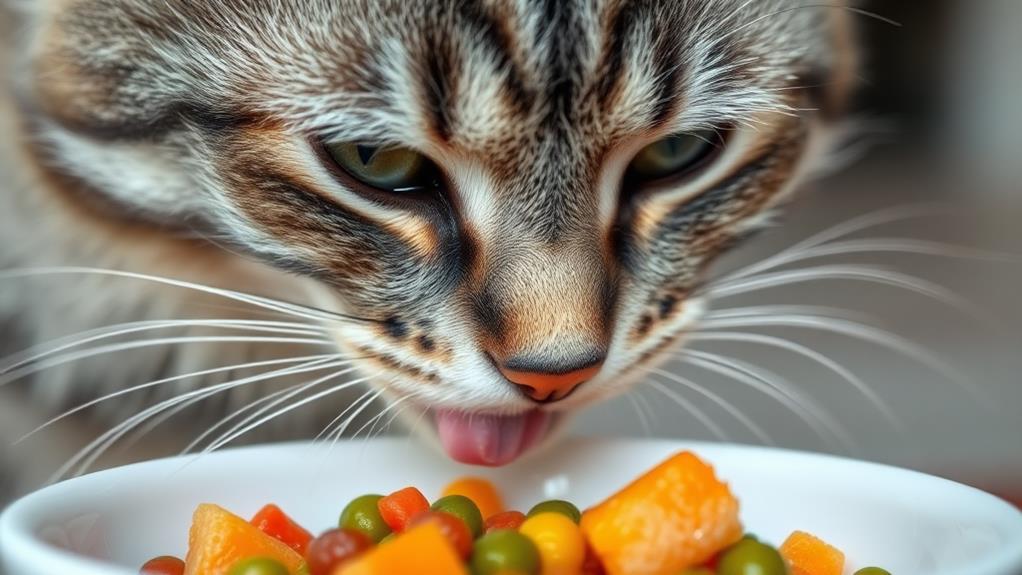
When it comes to stimulating your senior cat's appetite, enticing aromas and flavors play a vital role. You'll find that warming your cat's food can enhance its appeal by releasing more of those irresistible meaty scents that cats love. Additionally, considering the texture of the food is important, as softer, easier-to-chew options can provide dental comfort for your aging feline friend, making mealtime a more enjoyable experience.
Recommended Products

Multiple Functions - These pet pads are more than just potty training supplies.These pee pads are great for housebreaking,dogs playpen,cat litter box, dog litter box,provides protection to crates and kennels, pet carriers.They are ideal for protecting carpet,woodfloor,sofa,furniture,car seat and car trunk during travel.Place one under food and water bowls for messy eaters, or use as a puppy whelping or training pad when welcoming your newest family members

HEALTHY FROZEN CHICKEN PET FOOD: Raw Paws chicken dog food roll offers a highly nutritious raw diet for dogs and cats. Our natural chicken dog food and chicken cat food follow the 80/10/10 rule imitating your pet’s natural, species-appropriate diet. Our cat and dog food with chicken delivers all the protein, vitamins and minerals your pet needs. Raw Paws cat food grain free chicken recipe offers your pets the nutrition you love, and the taste of chicken dogs and cats love.
Unique soft non-slip rubberized walking surface. Superior Traction in wet or dry conditions. No sandpaper or carpet making it soft on paws
Enticing Aromas and Flavors
Enticing your senior cat to eat can be a challenge, but understanding the role of aromas and flavors is essential. As your feline friend ages, their sense of smell may decline, making it vital to offer meals that are both aromatic and flavorful. You'll want to focus on foods with higher meat proportions, as these tend to be more enticing to senior cats. Warming the food to around 98.6°F can enhance its palatability by releasing those irresistible meat aromas.
Consider these sensory experiences your cat might enjoy:
- The rich scent of warmed chicken or fish
- The soft, moist texture of wet food on their tongue
- The savory taste of meat-based proteins
- The comforting warmth of a just-served meal
Texture for Dental Comfort
Beyond enticing aromas and flavors, texture plays a key role in your senior cat's mealtime experience. As your feline friend ages, dental issues may make chewing harder foods a challenge. That's where soft cat food comes to the rescue. Its tender texture is gentle on your kitty's teeth and gums, making each bite a comfortable delight. The higher moisture content in these nutritious meals isn't just about hydration; it's about creating a palatable dish that's easy to swallow and digest.
Transitioning to softer, wetter foods can be a game-changer for your aging companion. Not only does it help maintain their appetite, but it also guarantees they're getting the nutrition they need without the discomfort. By offering these easier-to-eat options, you're showing your senior cat just how much you care about their comfort and well-being.
Hydration Support for Aging Cats
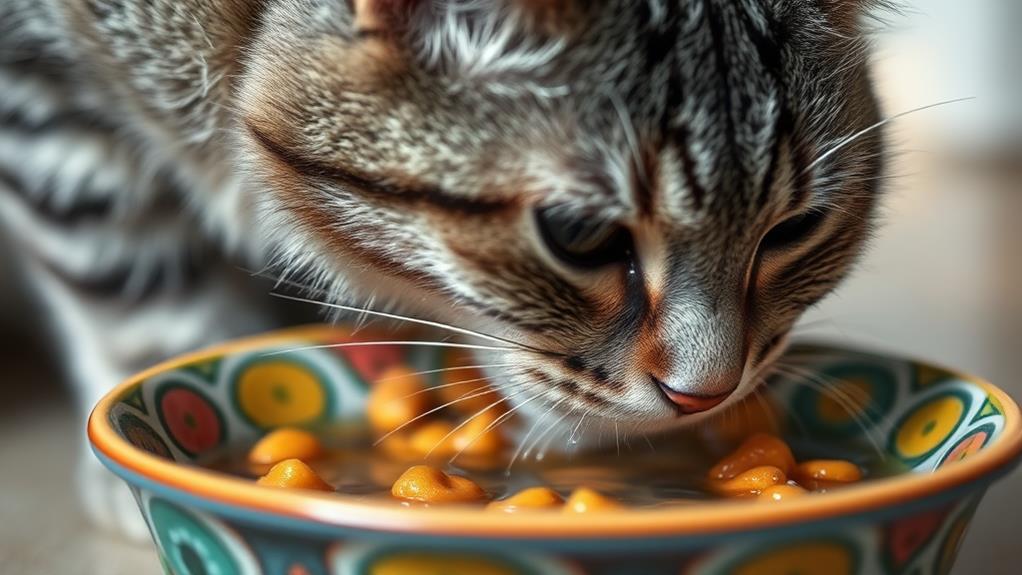
As your cat enters its golden years, supporting proper hydration becomes increasingly important. Senior cats often struggle with thirst sensitivity, making them prone to dehydration-related health issues. To guarantee your aging feline companion stays well-hydrated, consider incorporating moist food into their diet. This simple change can greatly boost their water intake, supporting kidney function and overall health.
To create a hydration-friendly environment for your senior cat, try these strategies:
- Place multiple water bowls throughout your home
- Invest in a cat water fountain for fresh, running water
- Offer wet food as part of their daily meals
- Clean water sources regularly to encourage drinking
Recommended Products

The information below is per-pack only

The information below is per-pack only

The information below is per-pack only
Digestive Health Considerations
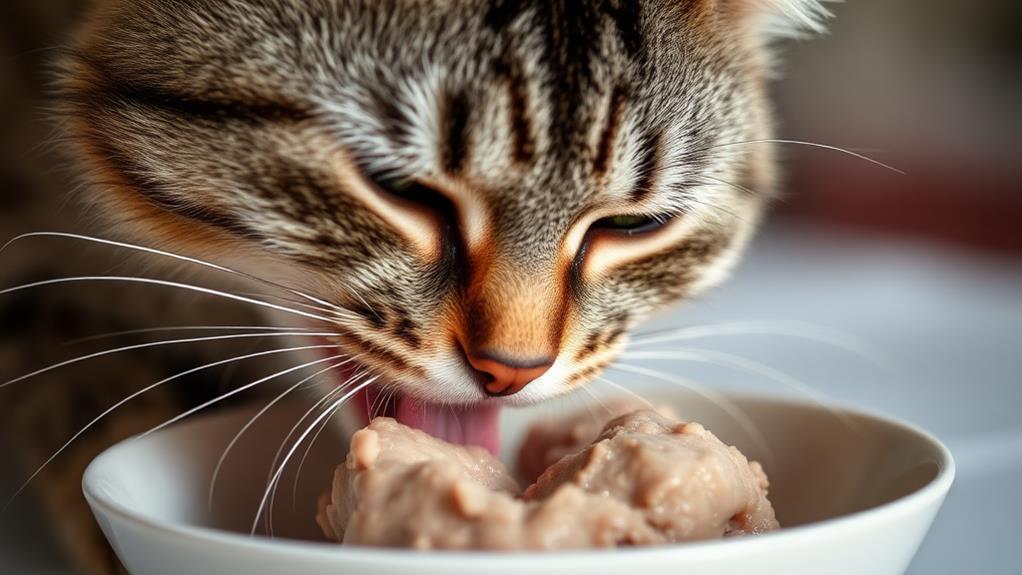
Senior cats' digestive systems often require special attention. As your feline friend ages, you'll need to take into account their changing nutritional needs. Senior cats need highly digestible, moist foods to support their digestive health and guarantee proper nutrient absorption. The increased moisture content in wet cat food aids in hydration, which is vital for older cats prone to kidney issues and dehydration.
| Benefit | Importance | Solution |
|---|---|---|
| Easier chewing | High | Soft, moist food |
| Hydration | Critical | Wet cat food |
| Nutrient absorption | Essential | Highly digestible meals |
A balanced diet with essential nutrients, including fiber, supports digestive health and can help manage age-related gastrointestinal issues. Regular consumption of wet food can also prevent constipation in older cats, as its higher moisture content promotes better bowel movement. By providing moist, nutritious meals, you're helping your senior cat thrive and maintain their digestive well-being.
Protein Quality in Wet Foods
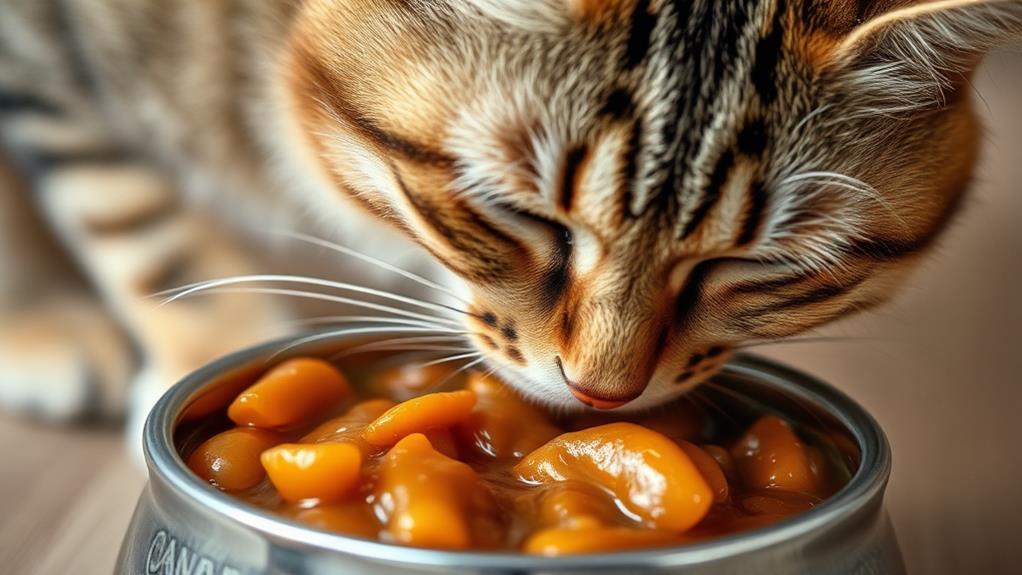
When it comes to protein quality in wet foods, senior cats have specific requirements that demand attention. Your aging feline companion needs higher protein levels to maintain muscle mass, and wet senior cat food delivers just that. The digestible protein in these moist meals is more easily absorbed, catering to your cat's age-related dietary needs.
You'll find that wet foods offer numerous benefits for your senior cat:
- Succulent pieces of chicken or fish in savory gravy
- Tender morsels that are easy to chew and swallow
- Aromatic flavors that entice even the pickiest eaters
- Smooth pâtés that melt in your cat's mouth
The increased moisture content in wet foods not only aids in hydration but also enhances the palatability of the protein. This means your senior cat is more likely to consume the nutrients they need for peak health, making wet food an excellent choice for their golden years.
Recommended Products

ALL-NATURAL FROZEN RAW DOG FOOD AND CAT FOOD: Raw Paws dog food roll is a grain free beef dog food with mackerel for the added benefit of omega 3 fish oil for dogs and cats! We source our all-natural beef dogs and cats crave from free-range cows raised without the use of antibiotics or added hormones, from family farms in Indiana. The mackerel, rich in fish oil for cats, dogs and ferrets, supports skin and coat health, is wild-caught from the cold, fresh waters of Alaska.

Premium freeze dried raw dog food made with fresh, cage-free turkey raised without antibiotics, steroids or added hormones, wild-caught sardines and USDA organic fruits & vegetables. Grain free

HIGH PROTEIN, NUTRIENT RICH: Novel-protein diet with authentic whole-prey ratios, featuring 92% free-range Venison, Organs, Bone, and New Zealand Green Mussels. A mouth-watering, chunky pâté that is highly palatable for the pickiest dogs.
Transitioning to Soft Diets
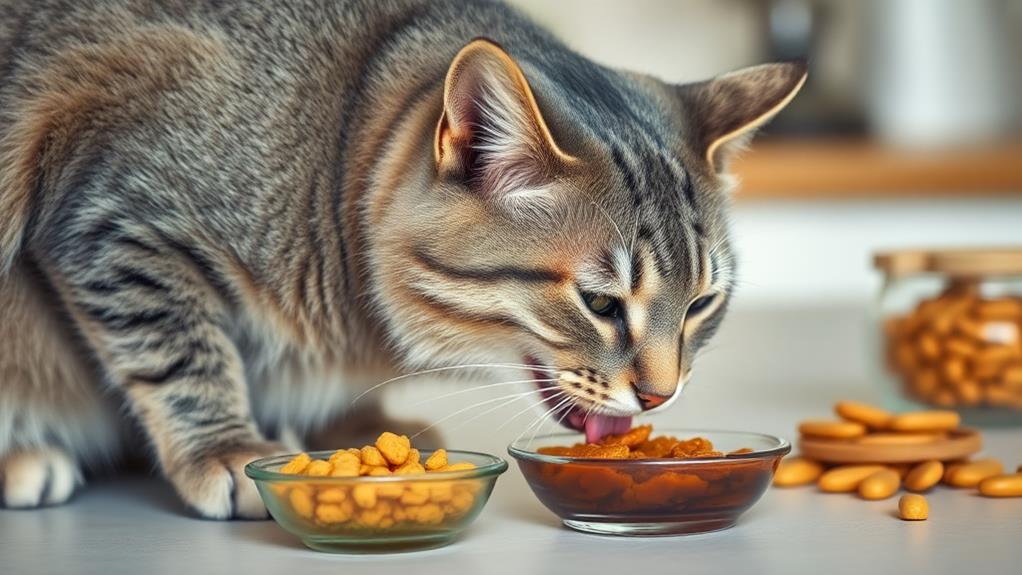
Throughout your cat's golden years, shifting to soft diets becomes an important step in maintaining their health and well-being. As your feline friend ages, their dental issues and nutritional needs change, making adapting to soft diets vital. You'll want to introduce soft cat food gradually over 8-10 days, starting with a mix of 1/4 new food and 3/4 old food to prevent tummy troubles.
Here's a handy guide to help you through the adaptation:
| Day | New Food | Old Food |
|---|---|---|
| 1-2 | 25% | 75% |
| 3-4 | 50% | 50% |
| 5-6 | 75% | 25% |
| 7-8 | 90% | 10% |
| 9-10 | 100% | 0% |
Recommended Products
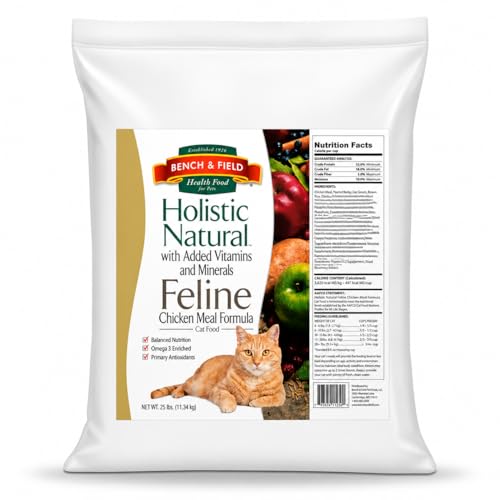
COMPLETE NUTRITION FOR ALL LIFE STAGES: Balanced formula designed for kittens, adult, and senior cats with essential vitamins, minerals, and protein for everyday health

The information below is per-pack only

The information below is per-pack only
Portion Control and Feeding Frequency
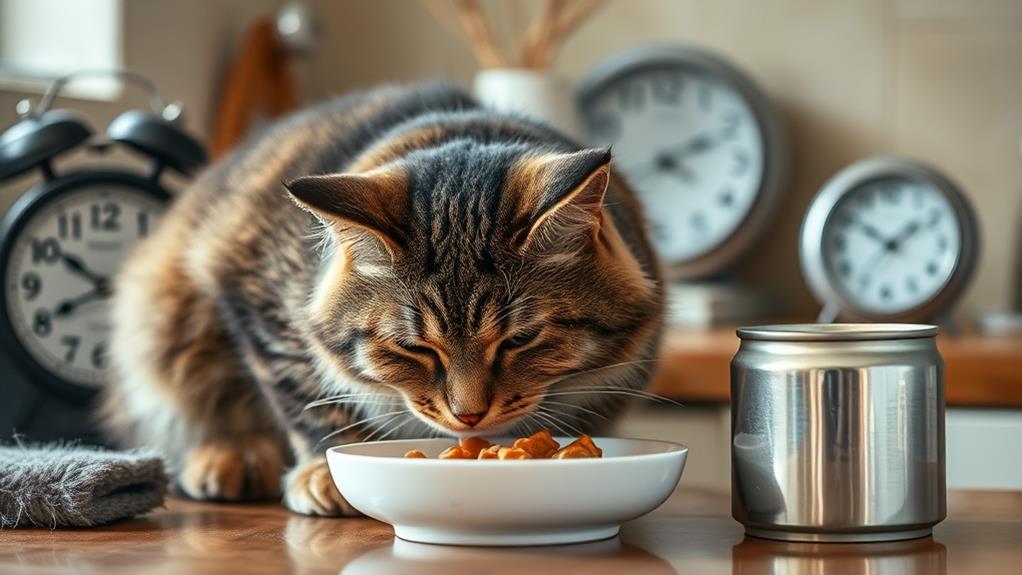
Mastering portion control and feeding frequency is essential for your senior cat's health. As your feline friend ages, their digestive system becomes more sensitive, making smaller, more frequent meals ideal. You'll want to aim for 10-12 feedings a day, which can greatly improve nutrient absorption. When it comes to portion sizes, remember that one can of wet food per 3-3.5 lbs of body weight is a good rule of thumb. For dry food, adjust based on your cat's weight, typically 1/3-2/3 cup for 5-9 lbs and 3/4-1 cup for 10-14 lbs.
To guarantee your senior cat thrives on their new feeding routine:
- Monitor their body condition regularly
- Weigh them consistently
- Adjust calorie intake as needed
- Stick to a regular feeding schedule
Frequently Asked Questions
Is Wet Food Better for Senior Cats?
Imagine your whisker-faced friend purring with delight! Wet food's nutritional benefits and hydration support are perfect for your senior cat. Its soft texture aids dental health and digestive ease, while palatability factors help manage age-related changes and weight.
Why Does My Cat Like Wet Food Better?
Your kitty loves wet food because it's super yummy and easy to eat! The moisture keeps them hydrated, while the soft texture is gentle on their teeth. Plus, it comes in lots of delicious flavors they can't resist!
Why Won't My Senior Cat Eat Dry Food?
Picture Whiskers, a 15-year-old tabby, turning his nose up at kibble. Your senior cat's refusal might stem from dental problems, texture sensitivity, or aging symptoms. Health issues and hydration needs often make wet food more appealing to older felines.
Do Adult Cats Need Wet Food Everyday?
While you don't need to give your adult cat wet food daily, it's beneficial for hydration, digestion, and palatability. You'll see improved nutritional value and weight management. Consider alternating with dry food for dental health and a balanced feeding schedule.