If your feline friend suffers from food allergies, you’ve got several dry cat food options to evaluate. Look for hypoallergenic brands that offer limited ingredient diets or novel protein sources like duck, venison, or rabbit. Prescription options from Royal Canin and Purina Pro Plan are available, while over-the-counter choices include Natural Balance L.I.D. and Blue Buffalo Basics. Grain-free formulas can also be beneficial, as they exclude common allergens like wheat and corn. When selecting a food, carefully read labels to identify potential triggers and guarantee balanced nutrition. Remember to change slowly to the new diet and monitor your cat’s response. Exploring these options further can help you make the best choice for your allergic kitty.
Key Takeaways
- Limited ingredient diets with novel proteins like rabbit, venison, or duck reduce allergy risks.
- Prescription options like Royal Canin and Purina Pro Plan offer hydrolyzed proteins for allergic cats.
- Grain-free formulas exclude common allergens like wheat and corn while providing balanced nutrition.
- Over-the-counter options such as Natural Balance and Blue Buffalo Basics offer hypoallergenic formulas.
- Look for dry foods with clear labeling of limited ingredients and hypoallergenic claims.
Understanding Feline Food Allergies
You may be interested


When it comes to feline food allergies, understanding the basics is essential for cat owners. Your feline friend might be among the 0.1% of cats affected by food allergies, which can cause uncomfortable symptoms like tummy troubles and itchy skin. Common culprits include chicken, beef, dairy, and eggs, but pinpointing the exact trigger often requires help from your vet.
Cats with food allergies may develop sensitivities due to genetics, age, or repeated exposure to certain proteins. Kittens are particularly vulnerable as their immune systems are still developing. If you suspect your furry companion has food allergies, don’t panic! While it’s a relatively rare condition, it’s vital to address it promptly. Your vet might recommend an elimination diet to identify the allergen, ensuring your cat’s long-term health and comfort.
Benefits of Dry Cat Food
When considering dry cat food for your allergic feline, you’ll find it offers some practical advantages beyond allergy management. One key benefit is the convenience and ease of storage, as dry food can be left out for longer periods and doesn’t require refrigeration. Additionally, many dry cat food formulas are designed to promote dental health, with crunchy kibbles that can help reduce plaque buildup and maintain your cat’s oral hygiene.
Convenience and Storage
Choosing dry cat food for allergic felines offers numerous benefits regarding convenience and storage. You’ll appreciate the extended shelf life of dry food, which can last several months when properly stored. This convenience allows you to buy in bulk, saving you time and trips to the pet store. The resealable bags that many dry food options come in help maintain freshness and prevent contamination, ensuring your furry friend always has access to high-quality nutrition.
When it comes to portioning, dry food for cats is a breeze. You can easily measure out the right amount for your allergic kitty, making it simple to manage feeding schedules and control caloric intake. Plus, the reduced mess compared to wet food means less cleanup time for you. With dry food, you’ll spend more quality time with your feline companion and less time worrying about their meals.
Dental Health Promotion
You’ll be pleased to know that dry cat food offers significant benefits for your allergic feline’s dental health. The abrasive texture of kibble helps reduce plaque and tartar buildup, promoting better oral hygiene. When your furry friend chews on dry food, it stimulates their gums and can prevent gum disease, a common issue in cats.
For allergic cats, a limited-ingredient diet in dry form can be particularly beneficial. Here’s a quick comparison of dental health benefits:
| Benefit | Dry Food | Wet Food | Dental Treats |
|---|---|---|---|
| Plaque Reduction | High | Low | Medium |
| Tartar Control | High | Low | High |
| Gum Stimulation | Medium | Low | High |
| Breath Freshening | Medium | Low | High |
| Overall Dental Health | High | Low | Medium |
Top Hypoallergenic Dry Food Brands
The market offers several high-quality hypoallergenic dry food brands for cats with allergies. These limited-ingredient cat foods are designed to minimize common allergens while providing balanced nutrition for your feline friend. You’ll find options like Royal Canin Veterinary Diet and Purina Pro Plan Veterinary Diets, which require a prescription and use hydrolyzed proteins to reduce allergic reactions. For over-the-counter choices, consider Natural Balance L.I.D. or Blue Buffalo Basics L.I.D., which feature novel protein sources and avoid typical allergens.
When selecting a hypoallergenic cat food, keep these factors in mind:
- Novel protein sources (e.g., venison, duck, rabbit)
- Grain-free formulas
- Limited ingredient lists
- Hydrolyzed protein options
Recommended Products
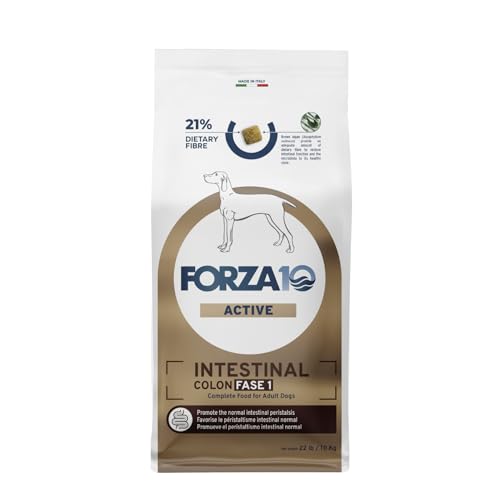
TRUSTED ITALIAN NUTRITION: Pet food brand for dogs and cats, offering a wide range of recipes crafted with high-quality ingredients and veterinary expertise. Forza10 products are designed to support overall health and well-being, helping pets thrive at every stage of life.

SMOKED TURKEY: Our farm-fresh smoked turkey is the 1st ingredient in this tasty recipe. Turkey is lean, high in protein and a good source of iron, zinc, phosphorus, potassium and B vitamins.

Made with cage-free, hormone-free and antibiotic-free fresh rabbit
Grain-Free Options for Sensitive Cats
For cats with sensitive stomachs or allergies, grain-free dry food options can be a game-changer. These formulas typically exclude common allergens like wheat and corn, focusing instead on high-quality protein sources and alternative carbohydrates. You’ll find that many grain-free options, such as limited ingredient diets, cater specifically to your feline friend’s dietary needs while ensuring balanced nutrition.
Let’s explore some popular grain-free options:
| Brand | Product | Main Protein | Key Feature |
|---|---|---|---|
| Instinct | Limited Ingredient Diet | Rabbit | Single protein source |
| Taste of the Wild | Prey Angus Beef | Beef | Novel protein |
| Stella & Chewy’s | Grain Free Chicken | Chicken | Raw freeze-dried |
| Blue Buffalo | Wilderness | Duck | High protein |
Recommended Products

Uniquely high-quality ingredients were selected to provide natural, meat-based protein and fat, and a powerful profile of essential amino acids for maximum nutritional impact.


The first extruded dry diet/kibble pet food that is Starch Free (Epigen does what "Grain Free" dog food and cat foods only pretend to do)
Novel Protein Sources in Kibble
Grain-free options aren’t the only solution for cats with allergies. Novel protein sources in dry cat food can be a game-changer for your feline friend. These unique proteins, like rabbit, venison, and duck, are less likely to trigger allergic reactions in sensitive cats. When choosing a kibble with novel proteins, you’re giving your kitty a chance to avoid common allergens while still enjoying a tasty meal.
Here are some key benefits of novel protein kibble:
- Minimizes risk of allergic reactions
- Helps identify and eliminate allergens
- Promotes skin health with omega-3 fatty acids
- Offers variety in your cat’s diet
Limited ingredient diets featuring novel proteins are particularly effective in managing allergies. They reduce exposure to previously consumed proteins, making it easier to pinpoint the culprit behind your cat’s sensitivities. Brands like Natural Balance and Blue Buffalo offer specialized options designed specifically for allergy-prone felines, ensuring your furry companion stays healthy and happy.
Recommended Products

CATS WITH FOOD SENSITIVITIES: Veterinary-exclusive dry cat food made with hydrolyzed protein for adult cats with food sensitivities

PET FOOD FROM NEW ZEALAND - Where Nature and Natural is the Norm. The world's highest quality, sustainable, humanely raised food chain. With a temperate climate, animals roam freely year round on lush, rolling hills. Goodness your pet will taste. Pet health and vitality from great nutrition.

FAMILY OWNED AND OPERATED: Annamaet Pet foods, a truly family owned and operated company, has been providing optimum nutrition to dogs and cats for over 30 years, Our mission is to maximize the health and well-being of our beloved pets while preserving our environment and natural resources for future generations
Reading Cat Food Labels Effectively

When you’re looking for the right dry food for your allergic cat, understanding how to read cat food labels is essential. You’ll want to start by carefully examining the ingredient list, paying close attention to the first few items listed, as these make up the majority of the food’s content. It’s also important to familiarize yourself with various nutritional claims and what they mean, such as “complete and balanced” or “natural,” to guarantee you’re making the best choice for your feline friend.
Recommended Products
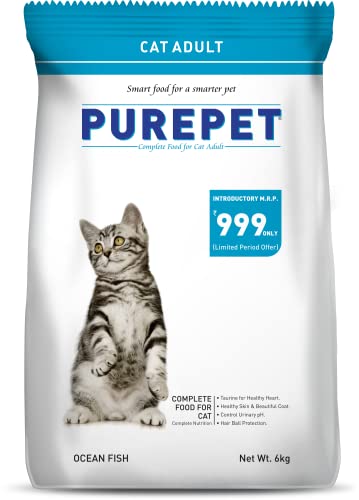

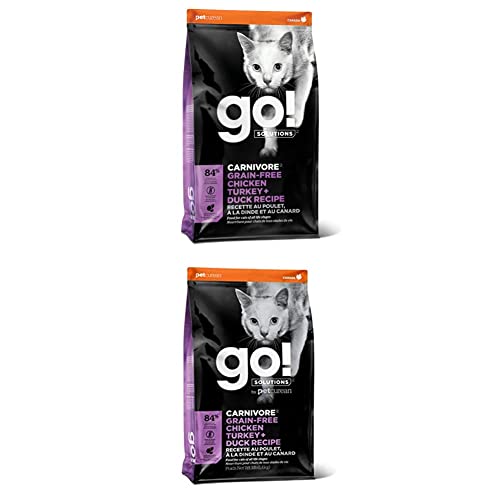
PROTEIN-RICH FOOD TO SUPPORT STRONG, LEAN MUSCLES: The first seven ingredients and 84% of the protein in our CARNIVORE Chicken Turkey + Duck grain free cat food comes from real premium-quality meat + fish.
Decoding Ingredient Lists
Reading cat food labels can be a challenging task, but it’s essential for feline allergy sufferers. When decoding ingredient lists for dry cat food, focus on products that prioritize a single protein source as the first ingredient. This approach helps you identify and avoid common allergens that might trigger reactions in your sensitive kitty. Look for limited ingredient diets (LID) that offer fewer components while still providing necessary nutrition.
To make your label-reading journey easier, keep these key points in mind:
- Check for novel protein sources like duck, venison, or rabbit
- Avoid common allergens such as chicken, beef, dairy, and eggs
- Be wary of fillers and artificial additives
- Opt for products with clearly listed, recognizable ingredients
Understanding Nutritional Claims
Understanding nutritional claims on cat food labels is essential for making informed decisions about your allergic feline’s diet. When examining labels, pay close attention to phrases like “limited ingredient” or “hypoallergenic,” which suggest the food is formulated to reduce allergy risks. These options often have fewer potential allergens, making them ideal for sensitive cats.
Don’t forget to scrutinize the ingredient list, focusing on high-quality protein sources listed at the top. This indicates they’re the primary ingredients in the food. Look for claims about nutrient enhancements, such as “rich in omega fatty acids,” which can benefit cats with skin allergies. These nutrients promote skin health and a lustrous coat. Additionally, check the guaranteed analysis section to ascertain the food meets your cat’s specific dietary needs. By understanding these nutritional claims, you’ll be better equipped to choose the right dry cat food for your allergic feline companion.
Transitioning to Allergy-Friendly Food
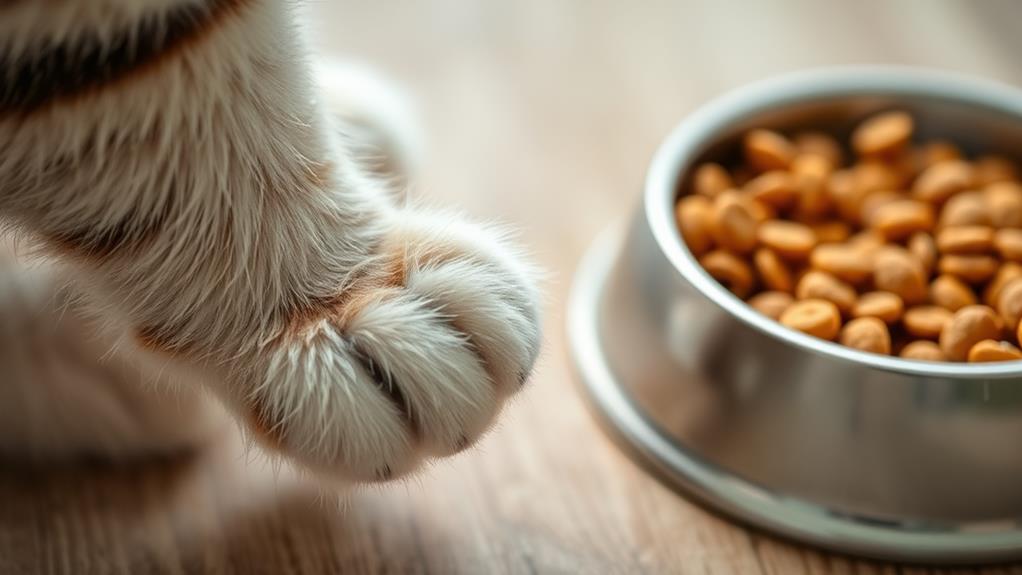
In light of your cat’s allergies, shifting to an allergy-friendly dry food is an essential step. Adapting should be done gradually over 7 to 10 days to minimize digestive upset and help your furry friend adjust. Start by mixing a small amount of the new food with their current diet, gradually increasing the proportion of allergy-friendly food while decreasing the old food each day.
During this process, keep a close eye on your cat’s response:
- Monitor for any adverse reactions
- Adjust portion sizes as needed
- Make sure they maintain a healthy weight
- Consult with your veterinarian if concerns arise
Recommended Products

Cat/Dog Skin and Coat Supplement: Relieve your pet from rashes, itchy skin & hot spots with Ultra Oil’s hemp & liquid fish oil for pets. Simply pump into their meal(s) for healthy skin & fur that shimmers!

One (1) 24 Pound Bag: Avoderm Natural Grain Free Dry Dog Food, Salmon & Vegetables Formula All Life Stages Dry Dog Food

The information below is per-pack only
Monitoring Your Cat’s Response
Once you’ve introduced the new allergy-friendly dry food, it’s time to keep a watchful eye on your cat’s response. Monitoring your cat’s response to the new diet is essential for managing their food allergy effectively. Over the next 8 to 12 weeks, pay close attention to any changes in your furry friend’s weight, behavior, and overall health. Keep a detailed food diary, noting improvements in symptoms like reduced itching or a shinier coat, as well as any potential allergic reactions.
Regular check-ups with your vet will help track your cat’s progress and guarantee their dietary needs are being met. If you notice any adverse reactions, such as vomiting or diarrhea, don’t hesitate to consult your veterinarian. They can help determine if the new diet is suitable or if further adjustments are needed to keep your allergic feline happy and healthy.
Frequently Asked Questions
What Is the Best Food for Feline Allergies?
For your furry friend’s allergies, you’ll want to explore hypoallergenic formulas. Look for limited ingredients and grain-free options to soothe their sensitive tummy. These special diets can help your kitty feel more comfortable and loved.
What to Do if My Cat Is Allergic to Dry Food?
Don’t let your cat’s allergies get your goat. Start by identifying symptoms, then make dietary adjustments. Try alternative proteins or hydrolyzed diets. Keep your vet in the loop and monitor your furry friend closely during changes.
What Cat Food Is Against Cat Allergy?
Darling, if your kitty’s struggling with allergies, you’ll want to explore hypoallergenic options. Consider food trials to pinpoint ingredient sensitivity. Look for limited ingredient diets or novel protein sources to keep your furry friend comfortable and healthy.
What Ingredient in Cat Food Are Cats Most Allergic To?
Your furry friend’s most common allergens are proteins like chicken and beef. Watch for allergy symptoms like itching or tummy troubles. Consider hypoallergenic diets with novel proteins to soothe your kitty’s sensitivities and keep them purring happily.