When choosing organic chicken cat food, we need to look for USDA Organic certification, which guarantees at least 95% organic ingredients and humane animal treatment. We should examine labels carefully, prioritizing products with organic chicken as the main ingredient and avoiding vague terms like “natural.” It’s vital to confirm the food meets essential nutrient requirements for felines, including protein (minimum 8.5% in wet food) and fat (minimum 5.5%). We must also be wary of harmful additives and fillers, opting instead for high-quality, identifiable ingredients. Considering our cat’s specific dietary needs and researching brand reputation are fundamental steps in making an informed choice. By understanding these key factors, we’ll be better equipped to select the best organic chicken cat food for our feline friends.
Key Takeaways
- Look for the USDA Organic seal to ensure at least 95% organic ingredients in the cat food.
- Check that organic chicken or chicken liver is listed as the first ingredient for high-quality protein.
- Avoid artificial additives, colors, and fillers like corn, wheat, and soy in the ingredient list.
- Ensure the food meets essential nutrient requirements, including minimum protein (8.5%) and fat (5.5%) content.
- Research brand reputation, looking for additional certifications like G.A.P. and positive customer reviews.
Understanding USDA Organic Certification
You may be interested

When it comes to organic chicken cat food, USDA Organic certification is your golden ticket to ensuring quality and authenticity. We can’t stress enough how important this certification is for our feline friends’ health and well-being. The USDA organic seal guarantees that at least 95% of the ingredients are organic, free from synthetic fertilizers and other harmful chemicals.
The National Organic Program sets strict compliance standards, ensuring transparent labeling and humane treatment of animals. This means we’re not just looking out for our cats, but also supporting ethical farming practices. Regular audits and inspections keep manufacturers honest, so we can trust what we’re feeding our furry companions. By choosing USDA Organic certified cat food, we’re making a statement about our values and commitment to animal welfare while providing our cats with exceptional nutrition.
Decoding Cat Food Labels
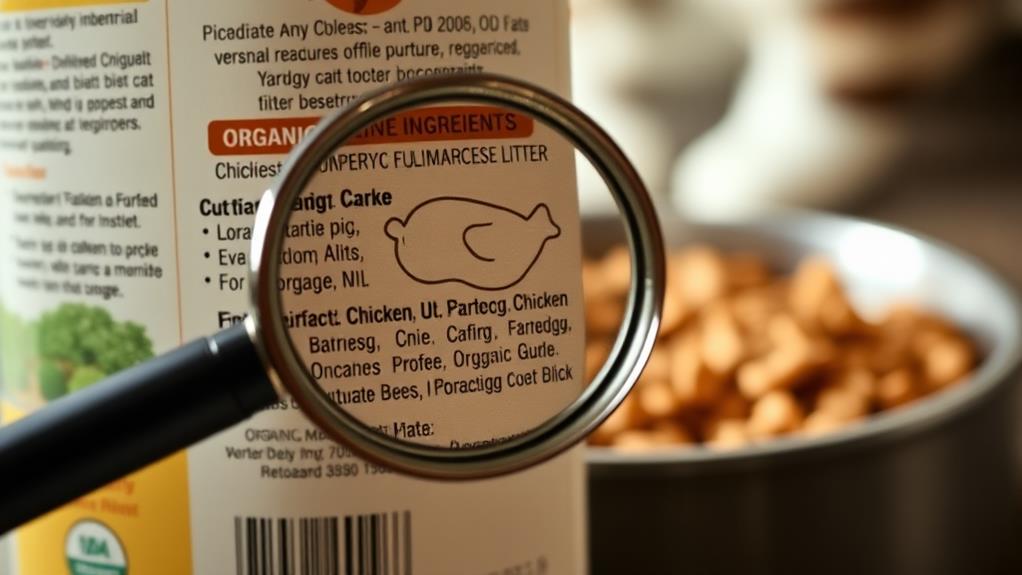
Now that we’re familiar with USDA Organic certification, let’s unravel the mystery of cat food labels. When searching for the perfect organic chicken cat food, we’ll want to look for the USDA Organic seal, which guarantees at least 95% organic ingredients. Let’s explore the ingredient list, where we should see organic chicken as the primary component, ensuring high-quality protein from humanely raised animals.
Don’t be fooled by vague terms like “natural” – they’re less regulated than “organic.” Instead, we’ll focus on products labeled “made with organic ingredients,” which contain at least 70% organic content. For a thorough understanding of nutritional content, we’ll examine the guaranteed analysis on cat food labels. This breakdown provides essential information about protein and fat percentages, important for our feline friends’ health and well-being.
Recommended Products

✔️ GENTLY INFUSED WITH ORGANIC SUGAR: Lightly Coated with Organic Sunflower Oil; Very Low in Saturated Fat; Free of Cholesterol and Sodium; Rich in Antioxidants.

Premium freeze dried raw dog food made with fresh, cage-free turkey raised without antibiotics, steroids or added hormones, wild-caught sardines and USDA organic fruits & vegetables. Grain free

Fresh Chicken First, Never Meat Meals: Real chicken as the #1 ingredient delivers superior digestibility and a complete amino acid profile to support strong muscles, healthy skin & coat, and sustained energy
Essential Nutrients for Feline Health
Feline nutrition is a complex balance of essential nutrients that our cats need for ideal health. When choosing organic chicken cat food, we’re ensuring our furry companions receive the right mix of protein, fat, fiber, vitamins, and minerals. Let’s break down these significant components:
| Nutrient | Importance | Typical Content |
|---|---|---|
| Protein | Energy, muscle development | Min. 8.5% |
| Fat | Energy, nutrient absorption | Min. 5.5% |
| Omega-6 | Skin health, inflammation reduction | Min. 1.25% |
| Omega-3 | Skin health, inflammation reduction | Min. 0.1% |
| Moisture | Hydration, kidney function | Up to 78% |
High-quality organic chicken cat food provides these essential nutrients in balanced proportions. We’ll notice the emphasis on protein, which is crucial for our cats’ energy and muscle health. The moisture content is particularly significant, supporting proper hydration and urinary tract health. Fiber, while present in smaller amounts, aids digestion and weight management.
Organic vs. Natural Ingredients
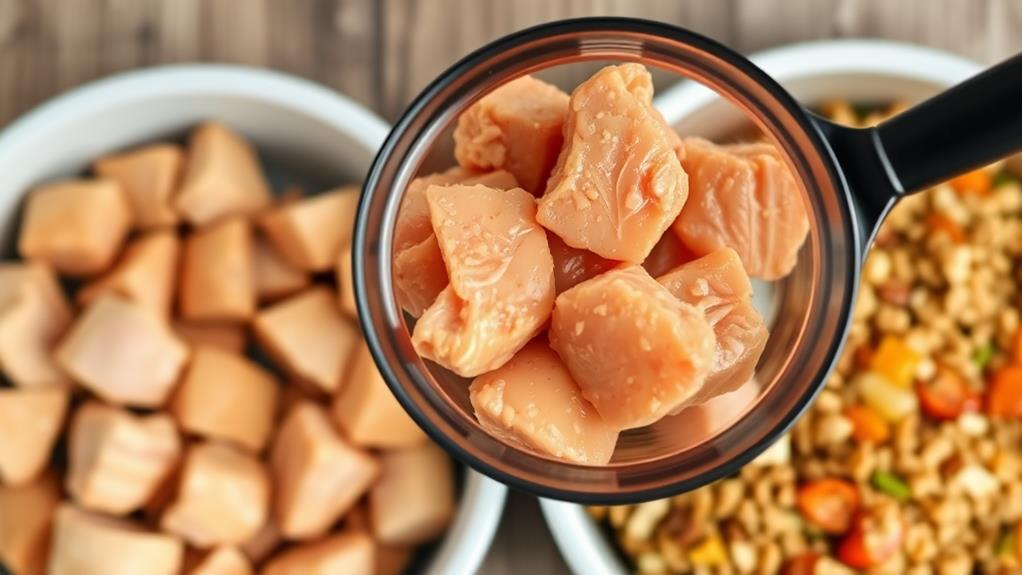
Having examined the key nutrients in cat food, it’s important to understand the difference between organic and natural ingredients. When we’re looking for organic cat food, we need to verify it meets USDA organic standards. These standards prohibit synthetic pesticides and require at least 95% organic ingredients. Natural cat food, on the other hand, isn’t as strictly regulated and may contain non-organic ingredients.
We should pay attention to animal welfare practices, too. Organic ingredients often come from farms with higher standards for humane treatment, like G.A.P. certification. Natural foods don’t always guarantee this level of care. It’s worth noting that “made with organic ingredients” means at least 70% organic content, while fully certified organic products contain 95% or more. By understanding these distinctions, we can make better choices for our feline friends’ nutrition and overall well-being.
Recommended Products

AUTHENTICALLY BOTANICAL: All Benefect products are formulated with botanical ingredients. Identified by the EPA as having no known adverse effects to human health or the environment.

Certified USDA organic Milk Thistle – With only one ingredient – pure, 100% organic Milk Thistle – It is more potent than an extract. It’s sourced from just one location with the perfect climate and soil composition for maximum effects. Thanks to the USDA, you know that you’re receiving a high-quality, safe product for your pet!
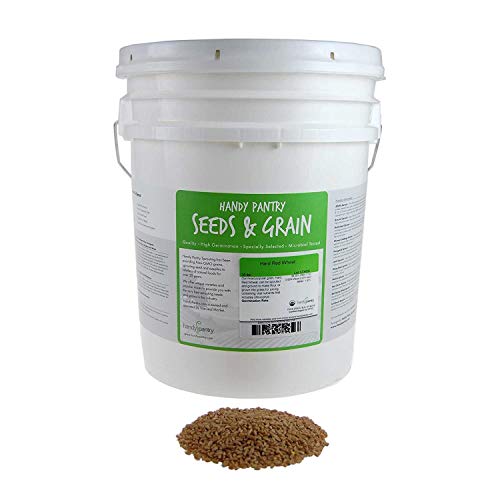
Certified Organic By OTCO Hard Red Wheat
Evaluating Protein Quality and Sources
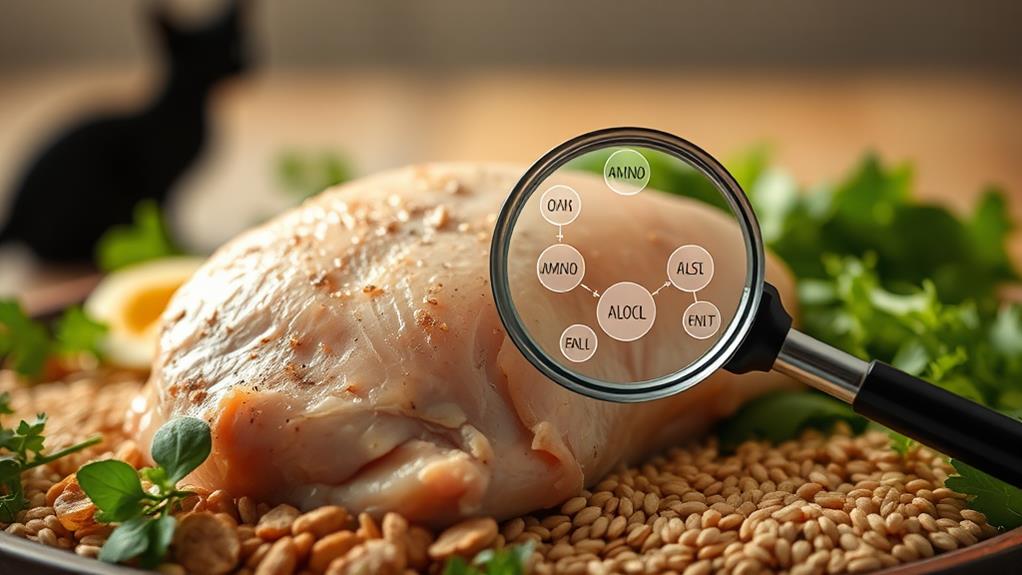
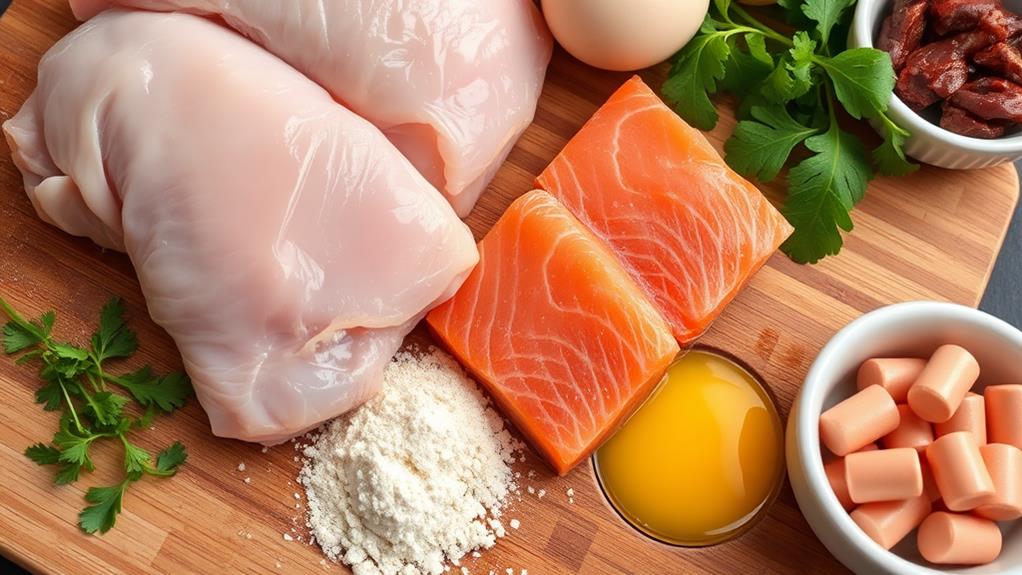
When choosing organic chicken cat food, we’ve got to scrutinize the protein quality and sources carefully. Look for products that list organic chicken or chicken liver as the first ingredient, ensuring high-quality protein for your feline friend’s health. We want to see at least 95% organic ingredients, which aligns with USDA organic standards and guarantees freedom from synthetic additives.
Check the guaranteed analysis for a minimum protein content of 8.5% in wet food or 30% in dry food. This meets your cat’s needs for muscle maintenance and energy. Consider foods with additional protein sources like organic pea protein, which can boost overall protein while maintaining a grain-free formulation. Remember, whole meat sources are preferable to by-products, as they offer better digestibility and nutrient absorption. By focusing on these factors, we’re ensuring our cats get the best organic chicken cat food possible.
Recommended Products


【Extra 55" x 40" Chicken Perch】We include a 55" x 40" chicken perch, made from galvanized pipes and eucalyptus wood. This sturdy, weather-resistant perch provides a comfortable resting spot, encouraging natural roosting behavior for your chickens.

WHOLE DUCK NECKS TREATS – Bulk container of dehydrated duck neck chews provides a crunchy, protein-rich snack for dogs and cats. A single-ingredient option for pet parents seeking a simple, long-lasting supply of chews.
Avoiding Harmful Additives and Fillers
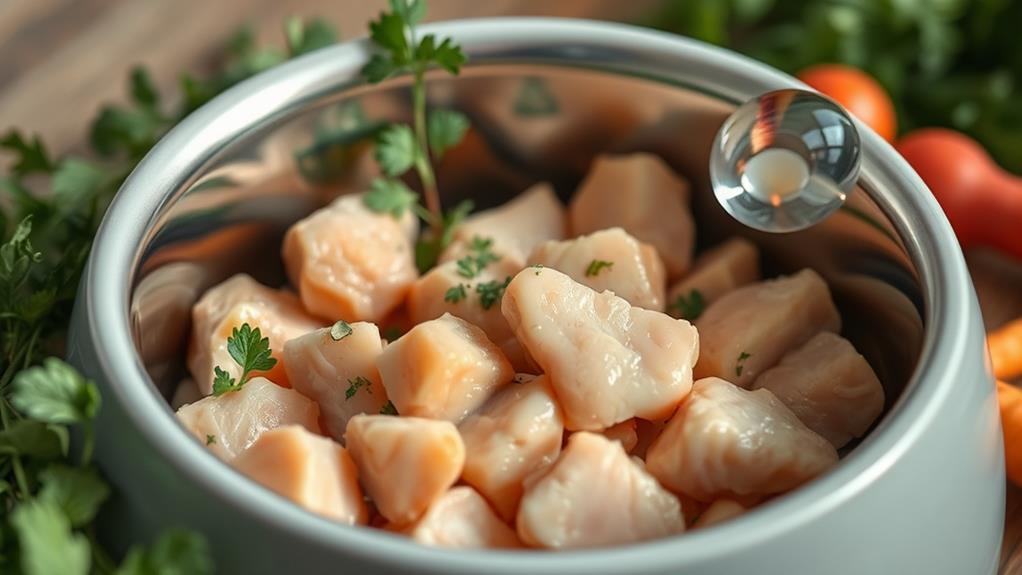
When choosing organic chicken cat food, we’ll want to be vigilant about identifying artificial ingredients that can compromise our feline friends’ health. Let’s look at how to spot common synthetic additives like artificial colors, flavors, and preservatives, which have no place in a high-quality organic cat food. We’ll also explore healthier alternatives to typical fillers like corn, wheat, and soy, which can cause digestive issues and don’t provide the essential nutrients our cats need.
Recommended Products

HIGH PROTEIN, NUTRIENT DENSE: Featuring wild-caught Mackerel and free-range Lamb, Organs, Bone, and New Zealand Green Mussels, this grain-free dog food delivers nutrition with a mouth-watering taste for all dogs. Gentle air dried processing retains the goodness of the raw ingredients. This food offers stimulating crunchy texture small enough for puppy food but soft enough for senior dog food.


Identifying Artificial Ingredients
Vigilance is key when identifying artificial ingredients in organic chicken cat food. We’ve got to be on the lookout for those sneaky additives that can compromise our feline friends’ health. When scanning labels, we should avoid anything with artificial colors, flavors, or preservatives – these aren’t allowed in USDA certified organic products anyway. Let’s also steer clear of fillers like corn, wheat, and soy, which offer little nutritional value and might trigger allergies.
Instead, we’re aiming for high-quality, identifiable ingredients. Here’s a quick guide to help us spot the good from the bad:
| Good Ingredients | Questionable Claims | Red Flags |
|---|---|---|
| Organic chicken | “Natural” | Artificial colors |
| Chicken liver | “Made with organic” | Artificial flavors |
| Organic broth | Vague descriptions | Preservatives |
| Named vegetables | Generic “meat” | Corn, wheat, soy |
| Organic vitamins | Unnamed by-products | Chemical names |
Common Filler Alternatives
Now that we’re savvy about spotting artificial ingredients, let’s focus on recognizing common filler alternatives in organic chicken cat food. When searching for high-quality options, we’ll want to avoid fillers like corn, wheat, and soy, which can trigger allergies or sensitivities in our feline friends. Instead, look for organic chicken cat food that prioritizes real, high-quality proteins like organic chicken and chicken liver.
We’re after grain-free options that use alternative ingredients to provide essential nutrients without harmful fillers. Keep an eye out for certifications such as USDA Organic and G.A.P., which guarantee the product is free from artificial additives and focuses on humane and sustainable sourcing. By choosing these alternatives, we’re not only avoiding potentially harmful ingredients but also supporting ethical practices in pet food production.
Considering Special Dietary Needs
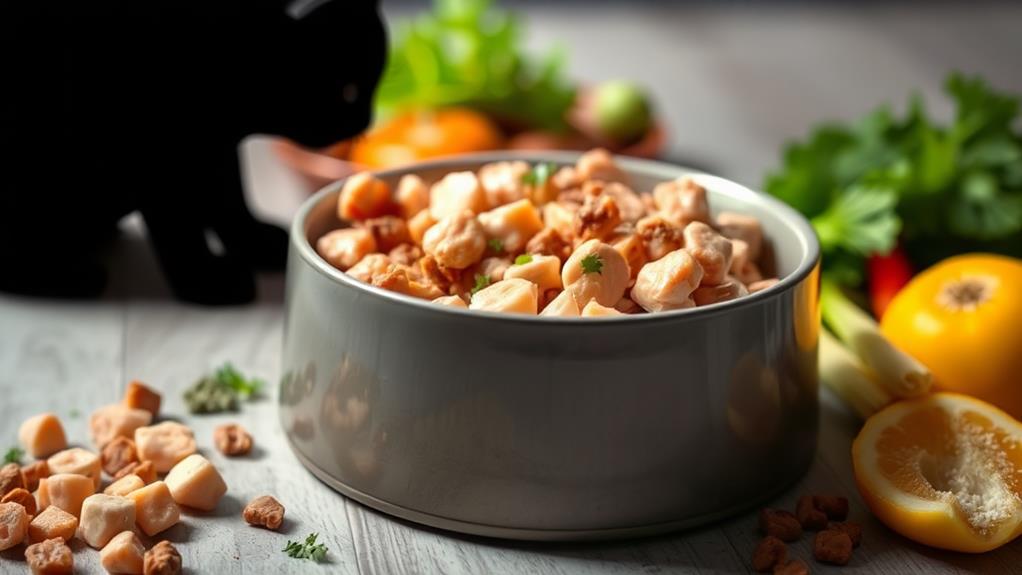
Selecting the right organic chicken cat food isn’t a one-size-fits-all approach. We need to take into account our feline friends’ special dietary needs, especially when they have health conditions or allergies. For cats with sensitivities or those who are immune-compromised, it’s vital to choose options that emphasize high moisture content and essential nutrients.
When choosing organic chicken cat food, keep in mind:
- Kittens require 2.5 times more food than adult cats
- Senior cats may need specialized formulations
- Consult a veterinarian for cats with health concerns
- Always check feeding guidelines on packaging
We shouldn’t forget that our cats’ nutritional needs change throughout their lives. By paying attention to these factors and consulting with a veterinarian when necessary, we can guarantee our furry companions receive the best possible nutrition tailored to their unique requirements.
Recommended Products

Thorvin Icelandic kelp provides health benefits for pets & livestock. Icelandic kelp can be fed daily to your dog, cat, goat, chickens & livestock. Excellent for all life-stages. Icelandic kelp contains over 60 minerals (calcium, magnesium, nitrogen, phosphorus, potassium, sodium, sulfur, cobalt, copper, iodine, iron, maganese, selenium, etc.); 17 amino acids, including lysine, hystidine, and proline; vitamins A, B1, B6 (Niacin), B12, D, E, and K.

The information below is per-pack only

The information below is per-pack only
Researching Brand Reputation and Practices
After considering our cats’ individual needs, we must turn our attention to the brands producing organic chicken cat food. Let’s investigate their reputation and practices to guarantee we’re making the best choice for our feline friends.
First, we’ll look for USDA certified organic labels, assuring at least 95% organic content. We’ll also check for G.A.P. certification, which guarantees humane treatment of farm animals. It’s essential to research ingredient sourcing and confirm the absence of antibiotics or growth hormones.
| Key Factors | What to Look For |
|---|---|
| Certification | USDA Organic, G.A.P. |
| Ingredients | Humanely raised, No synthetics |
| Transparency | Clear labeling, Processing info |
Customer reviews can provide valuable insights, with 75% positive feedback indicating overall satisfaction. By prioritizing transparency in labeling and animal welfare standards, we’re not just choosing cat food – we’re supporting ethical practices that align with our values.
Frequently Asked Questions
What Kind of Chicken Should I Feed My Cat?
Let’s ruffle some feathers and talk chicken! We should offer our feline friends organic, antibiotic-free chicken as a protein source. Consider cat preferences, meal frequency, and portion control. Raw or cooked, it’s all about tailoring to your cat’s needs.
Is Organic Food Better for Cats?
We believe organic food can offer benefits for our feline friends. It’s often higher in nutritional value, with better ingredient sourcing and quality assurance. While health impacts vary, ethical considerations and environmental impact make it worth exploring for our freedom-loving cats.
What Ingredient to Avoid in Cat Food?
We’ve found that byproduct meals, artificial additives, and grain fillers are red flags in cat food. Let’s steer clear of unhealthy preservatives, low-quality proteins, and synthetic vitamins too. Avoid meat byproducts, excessive carbohydrates, high sodium, and artificial colors for our feline friends’ well-being.
Is White or Dark Meat Chicken Better for Cats?
We can’t definitively say one’s better. Both offer great protein content, but dark meat’s advantages include higher fat and iron. White meat benefits cats needing fewer calories. Consider your cat’s flavor preference, digestibility factors, and nutritional needs when choosing.