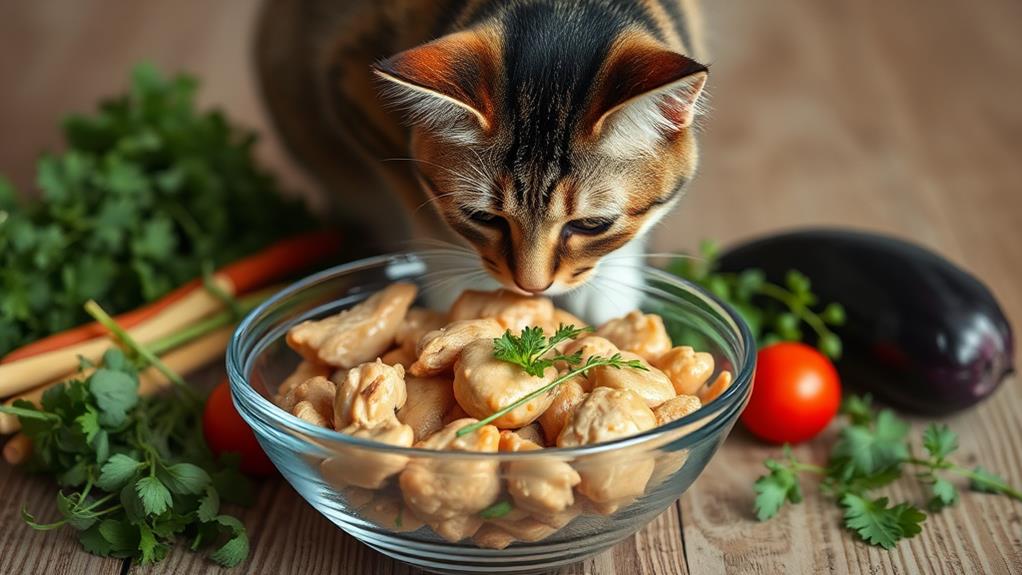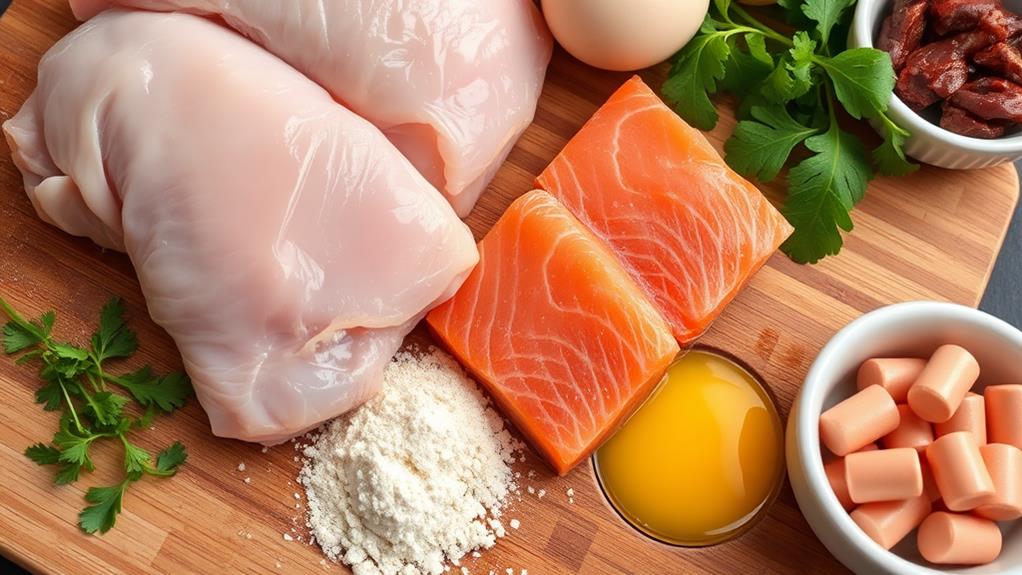
When crafting homemade raw cat food, we’ll want to focus on five key natural ingredients. First, high-quality muscle meats like chicken or turkey provide essential protein. Second, nutrient-rich organ meats, particularly liver and heart, offer crucial vitamins and minerals. Third, we’ll include essential fatty acid supplements, such as fish oil, to support overall health. Fourth, finely ground eggshells serve as an excellent bone meal alternative for calcium. Finally, we’ll add natural vitamin and mineral additives like nutritional yeast or spirulina to guarantee a complete diet. By incorporating these ingredients, we’re on our way to creating a balanced, species-appropriate meal for our feline friends. Let’s explore each component in more detail to understand their importance.
Key Takeaways
- Fresh muscle meats like chicken, turkey, or rabbit provide high-quality protein essential for cats.
- Organ meats, particularly chicken liver and heart, offer vital nutrients and should comprise 10-15% of the diet.
- Finely ground eggshells or seaweed-derived calcium supplements ensure proper calcium intake without risks.
- Fish oil, especially salmon oil, supplies crucial omega-3 fatty acids for skin, coat, and overall health.
- Nutritional yeast adds B vitamins and enhances flavor in homemade raw cat food.
High-Quality Meat Sources
You may be interested

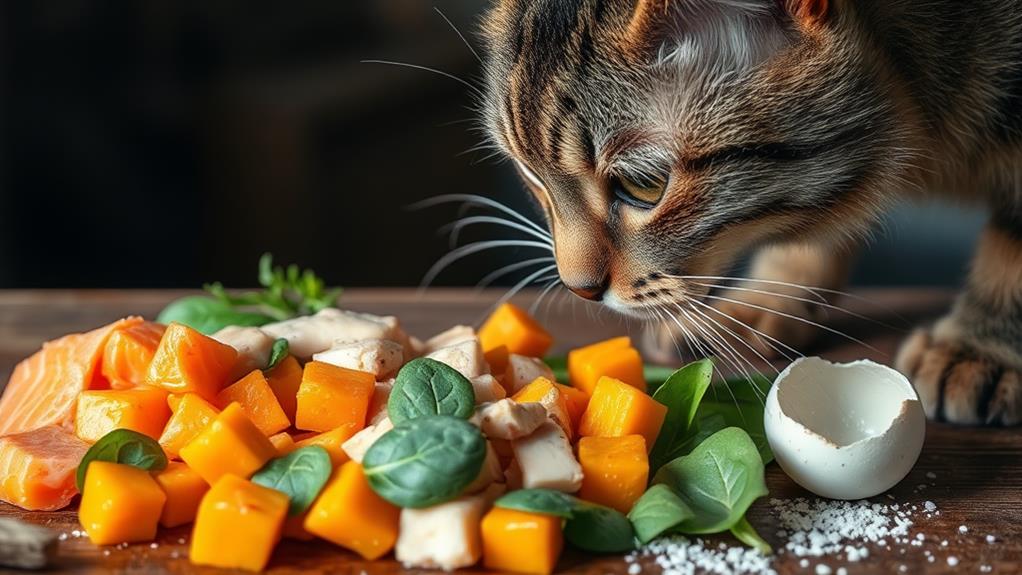
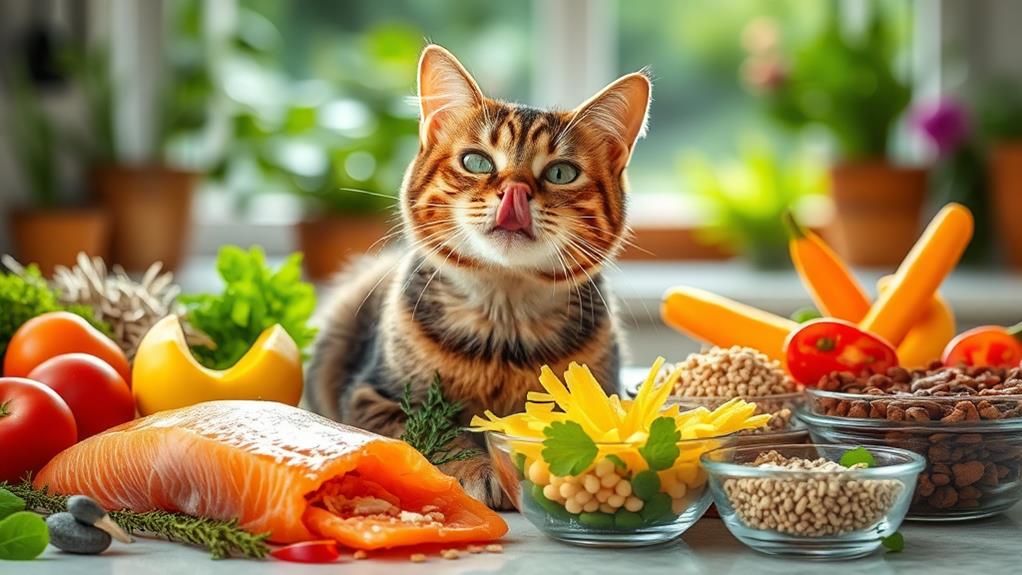
When it comes to homemade raw cat food, selecting the right meat sources is vital. We’re looking for high-quality meat sources that’ll provide our feline friends with the essential protein they need. Fresh muscle meat like chicken, turkey, and rabbit are excellent choices for your homemade raw cat food. Don’t forget to include chicken hearts, which are packed with taurine, a significant amino acid for your cat’s heart health and vision.
For a balanced homemade cat diet, we’ll want to incorporate organ meats too. Liver from chicken or beef is a powerhouse of vitamins and minerals. When sourcing these ingredients, prioritize fresh, human-grade options. Consider buying in bulk from local sources to guarantee both nutritional quality and cost-effectiveness. While fish can be included occasionally, stick to short-lived fish like sardines or mackerel to avoid potential contaminants.
Recommended Products

Superfood complete Ingredients are cooked responsibly at low temperatures and air-dried for maximum nutritional value.
REAL FOOD FOR YOUR DOG: Your best friend deserves the best food. So for mealtimes, give him/her Healthy Dogma Petmix fresh dog food. This delicious, grain-free blend of meat, fruits, and vegetables supports your pet’s daily nutritional needs.

Long-Lasting Chew: These turkey tendon chews feature a satisfyingly chewy texture and savory, meaty flavor dogs love. Ideal for moderate chewers or dogs that enjoy working on a tasty, longer-lasting treat.
Nutrient-Rich Organ Meats
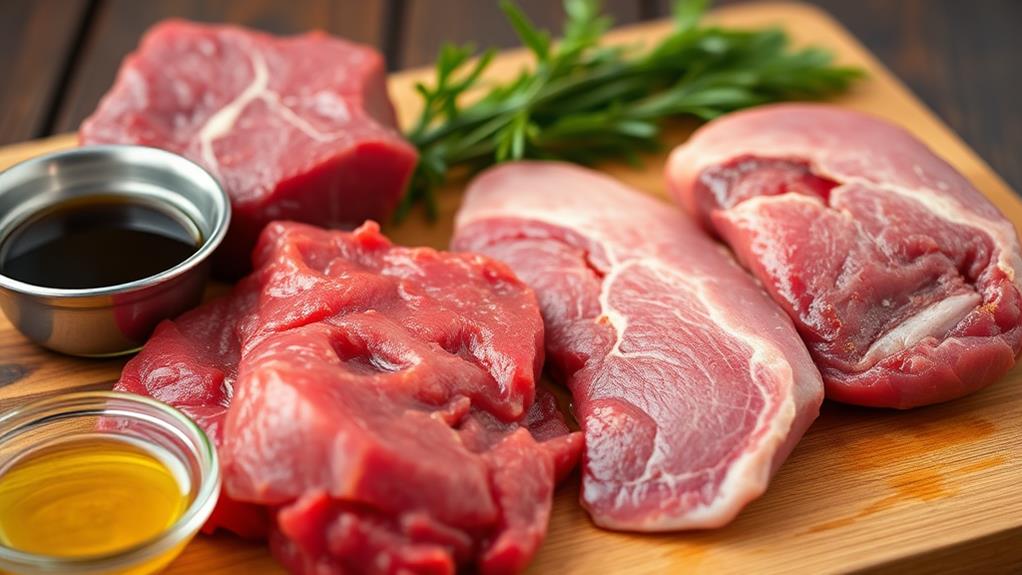
Incorporating nutrient-rich organ meats into your homemade raw cat food is fundamental for a well-balanced diet. These nutrient-dense components provide a powerhouse of essential vitamins and minerals that support your feline friend’s overall health. We recommend including organ meats like chicken liver and chicken heart, which are particularly beneficial. Chicken liver is packed with vitamin A, essential for vision and immune function, while chicken heart is an excellent source of taurine, critical for heart health.
To guarantee a balanced intake, aim for organ meats to comprise 10-15% of your cat’s overall diet. Don’t forget to mix it up! Incorporating a variety of organ meats, such as liver, heart, and kidney, will enhance the nutritional completeness of your homemade raw cat food. By offering this diverse range of nutrient-rich organ meats, you’re giving your cat the freedom to thrive naturally.
Recommended Products

One (1) 12 lb bag of ORIJEN Six Fish Dry Cat Food with Raw** Animal Ingredients

A natural liquid treat for dogs & cats that is loaded with high-quality protein for strong, lean muscles and healthy joints. Made with 100% human grade ingredients. Ready to serve.

High Protein Raw Dog Food: Smallbatch Pets raw freeze dried dog food is made with 78% humanely raised, grass-fed lamb and 10% organic produce, providing a balanced diet.
Essential Fatty Acid Supplements
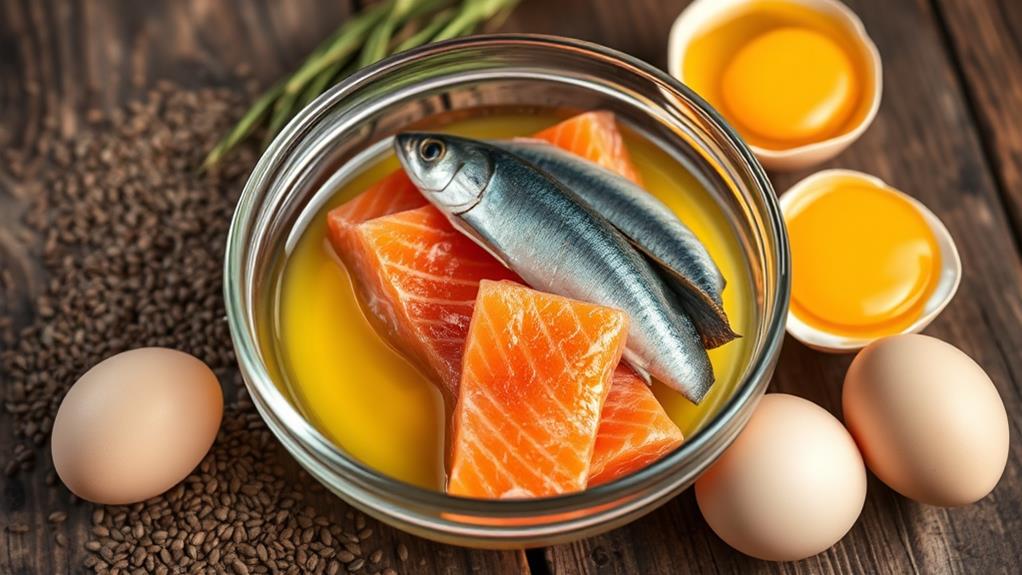
Beyond organ meats, we can’t overlook the significance of necessary fatty acids in your cat’s raw diet. These nutrients, particularly omega-3 and omega-6, are imperative for your feline friend’s overall health. They support immune function, maintain a lustrous coat, and promote healthy skin. We recommend incorporating fish oil, especially salmon oil, into your homemade raw cat food to guarantee your pet gets these essential nutrients.
Why are these fats so important? Well, they help reduce inflammation and support heart health. Plus, they’re fundamental to preventing deficiencies that could lead to a dull coat or skin issues. When crafting your cat’s meals, aim for a balanced ratio of omega-6 to omega-3, ideally around 5:1. This ideal balance is crucial for maximizing the health benefits and keeping your furry companion in top shape.
Recommended Products
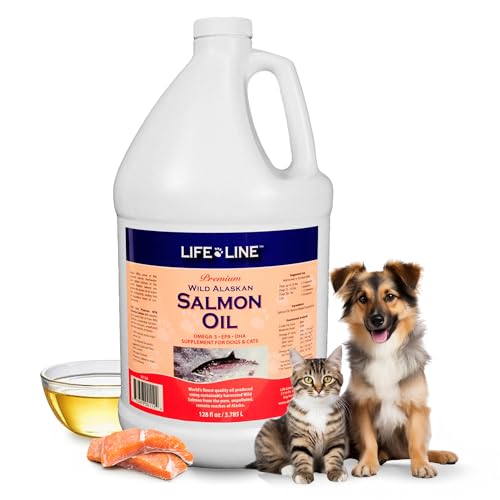
FAST RELIEF FOR ITCHY SKIN & DRY COATS: Rich in essential omega-3 fatty acids (EPA & DHA), Life Line’s Wild Alaskan Salmon Oil helps to soothe itchy skin, reduce shedding, and nourish dry, flaky patches. A natural solution for pets with skin irritations.


Premium Wild Alaskan Salmon Pollock for Pets – Made from wild-caught Alaskan Pollock, Rich in Omega-3s from Salmon & Pollock. Supports brain, heart, and eye health while promoting a shiny coat and reducing inflammation in both dogs and cats.
Bone Meal Alternatives
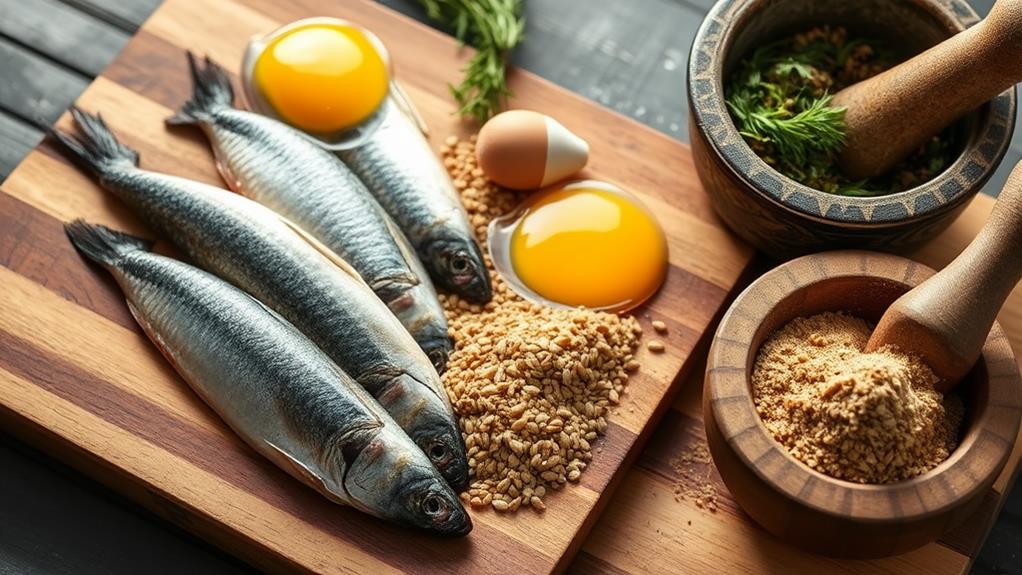
Three excellent alternatives to bone meal exist for guaranteeing your cat gets enough calcium in their homemade raw diet. Finely ground eggshells provide a natural calcium source without the risks of bone splinters. Commercial calcium supplements formulated for pets offer a safe and effective option. Seaweed-derived calcium supplements, like those from red algae, not only provide bioavailable calcium but also beneficial trace minerals for feline health.
When substituting bone meal, we must maintain the proper calcium-to-phosphorus ratio of about 1.2:1 for a balanced diet. It’s vital to consult a veterinary nutritionist before making changes to guarantee all nutritional needs are met. Consider these factors when choosing a bone meal alternative:
- Safety and digestibility
- Calcium content and bioavailability
- Additional nutritional benefits
- Ease of incorporation into the diet
Recommended Products

Wolf Creek Ranch Icelandic kelp provides health benefits for pets & livestock. Icelandic kelp can be fed daily to your dog, cat, goat, chickens & livestock. Excellent for all life-stages. Icelandic kelp contains over 60 minerals (calcium, magnesium, nitrogen, phosphorus, potassium, sodium, sulfur, cobalt, copper, iodine, iron, maganese, selenium, etc.); 17 amino acids, including lysine, hystidine, and proline; vitamins A, B1, B6 (Niacin), B12, D, E, and K.

Essential Minerals for Stronger, Happier Pets: Support bones, teeth, and vitality with Seaweed Calcium supplement for dogs and cats; sourced from wild-harvested marine algae, it delivers bioavailable calcium, magnesium and 72 trace minerals

SUSTAINABLY HARVESTED FOR THE ENVIRONMENT: Life Line Pet Nutrition’s Organic Ocean Kelp is one of the only kelp products on the market that follows strict sustainable harvesting practices. Sourced from the pristine waters of Northwestern Iceland, ensuring an eco-friendly, high-quality product.
Natural Vitamin and Mineral Additives
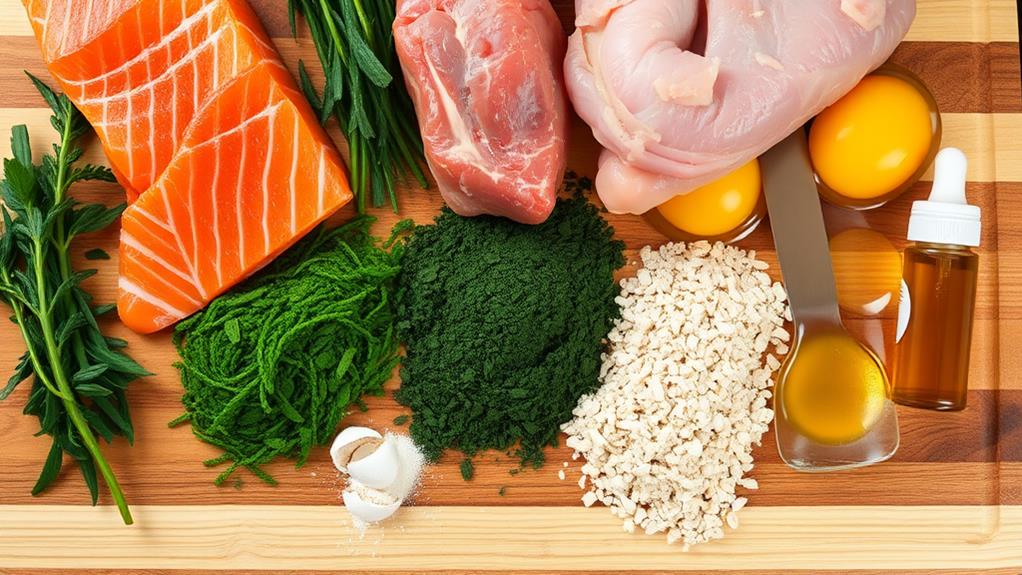
While bone meal alternatives provide a solid foundation for calcium, we’ll now explore natural vitamin and mineral additives to round out your cat’s homemade raw diet. Organ meats, particularly liver, are powerhouses of natural vitamins, including A and B complexes. We can’t overlook the importance of omega-3 fatty acids and Vitamin D, readily available in fish oils from salmon or sardines. These not only support your cat’s overall health but also aid in calcium absorption.
Don’t forget to sprinkle some nutritional yeast for added B vitamins and a flavor boost. For those seeking to support thyroid function, consider adding spirulina or kelp, which provide essential trace minerals. These natural additives offer a way to guarantee your feline friend gets a complete, balanced diet without relying on synthetic supplements. By incorporating these wholesome ingredients, we’re giving our cats the freedom to thrive on a diet closer to their ancestral roots.
Recommended Products

Comprehensive Nutrition for Pets: Our raw super-food protein and antioxidant nutrition provides a holistic approach to dog gut health.

Omega-3, 6 and 9 Fatty Acids

SUPPORTS DIGESTIVE HEALTH FOR DOGS, HORSES, CATS AND ALL SPECIES Formulated as a versatile dispersible powder that works across companion animals, rabbits, guinea pigs and livestock alike, Probios delivers live naturally occurring microorganisms that help maintain a healthy balance in the digestive tract. Whether you manage a single pet household or a multi-animal farm, one trusted formula covers every species on your property.
Frequently Asked Questions
Can I Make My Own Raw Food for a Cat?
We can create custom cat cuisine at home. Raw food benefits abound, but we’ll need to guarantee nutritional balance, practice food safety, and source ingredients carefully. Let’s explore supplement options, recipe variations, and changeover tips for our feline friends’ freedom feast!
What Is the Healthiest Raw Food for Cats?
We’ve found the healthiest raw food for cats includes a mix of raw meat, organ meats, and bone meal. It’s essential we guarantee nutrient balance, consider supplementation options, and maintain food safety. Let’s explore feline preferences and homemade recipes for ideal serving sizes.
What Should the First 3 Ingredients in Cat Food Be?
Let’s cut to the chase: we believe the first three ingredients in cat food should be high-quality protein sources. We’re talking muscle meat, organ meat, and bone content. These provide essential nutrients and mimic a cat’s natural prey diet.
Is It Cheaper to Make Your Own Raw Cat Food?
We’ve found making our own raw cat food can be cheaper. While there’s an upfront cost, we’re seeing long-term savings and health benefits. It’s about smart ingredient sourcing, efficient preparation, and balancing nutrition with convenience. Let’s break free from commercial options!