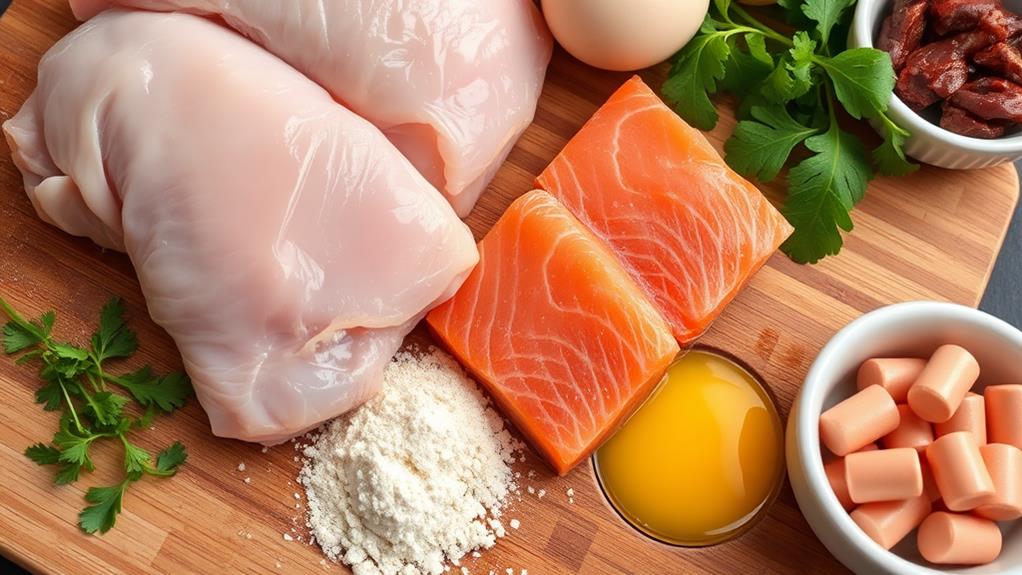
When it comes to feeding our feline friends, natural protein sources are fundamental for their health and well-being. We’ve found that chicken, fish, turkey, and beef top the list of high-quality proteins that cats love. These options provide essential amino acids, vitamins, and minerals critical for muscle growth, immune function, and overall vitality. Organ meats like liver and heart offer nutrient-dense alternatives, while rabbit and lamb serve as excellent choices for cats with sensitive stomachs. By incorporating a variety of these protein sources into our cats’ diets, we can guarantee they receive peak nutrition for their unique needs. Let’s explore these options in more detail to make informed choices for our furry companions.
Key Takeaways
- Chicken provides 25-30% protein, essential vitamins, and minerals for muscle growth and immune system support.
- Fish offers high-quality protein, amino acids, and omega-3 fatty acids for skin and coat health.
- Turkey is low in fat, rich in protein, and supports energy metabolism and mental health.
- Beef delivers essential amino acids, vitamins, and minerals that support immune function and overall well-being.
- Organ meats are nutrient powerhouses, providing essential vitamins and minerals when incorporated in moderation.
Chicken: A Feline Favorite
You may be interested
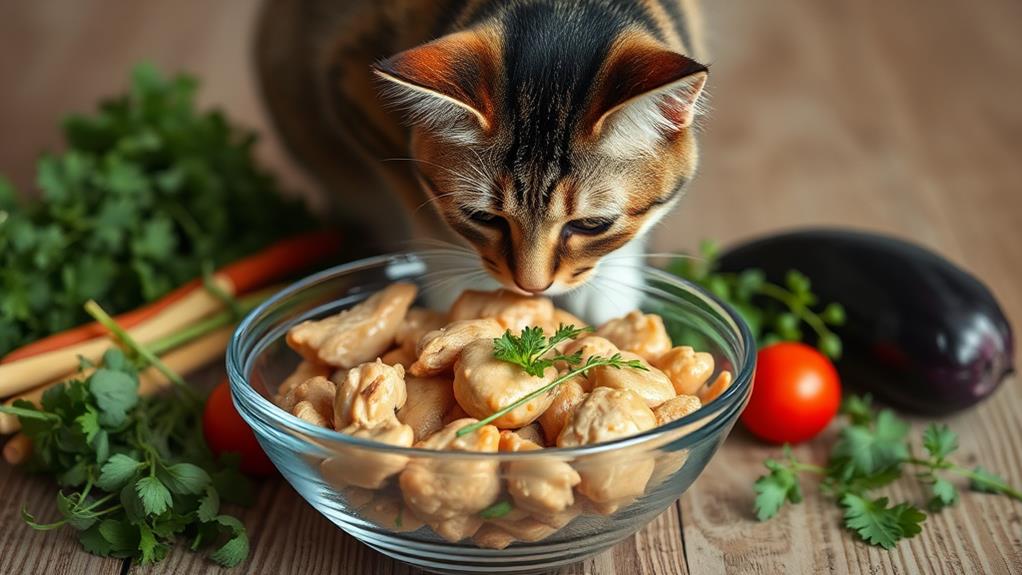
For many cats, chicken is the ultimate protein source. We can’t blame them! This high-quality protein packs a punch when it comes to essential amino acids, making it a top choice for our feline friends. With 25-30% protein content, chicken helps maintain a balanced diet and supports muscle growth, keeping your cat in tip-top shape.
What’s more, chicken is easily digestible, perfect for cats with sensitive tummies or those bouncing back from illness. It’s not just about protein, though. Chicken brings a smorgasbord of vitamins and minerals to the table, boosting your cat’s immune system and energy levels. By incorporating chicken into your cat’s meal rotation, you’re not only providing a nutritious feast but also preventing dietary boredom. It’s a win-win for both you and your furry companion!
Recommended Products
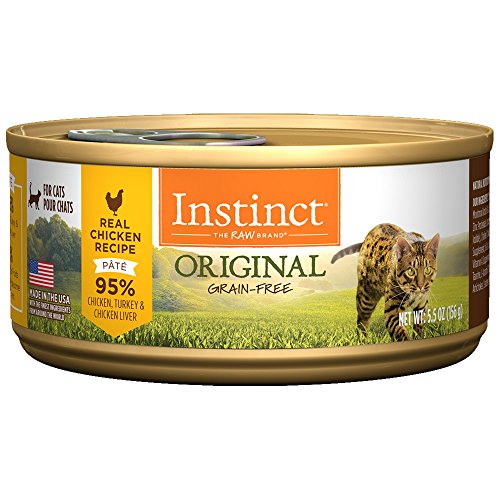
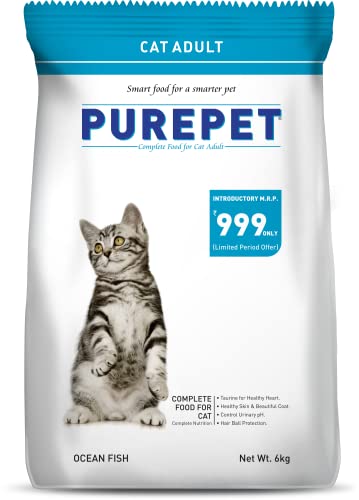

Fish for Omega-Rich Nutrition
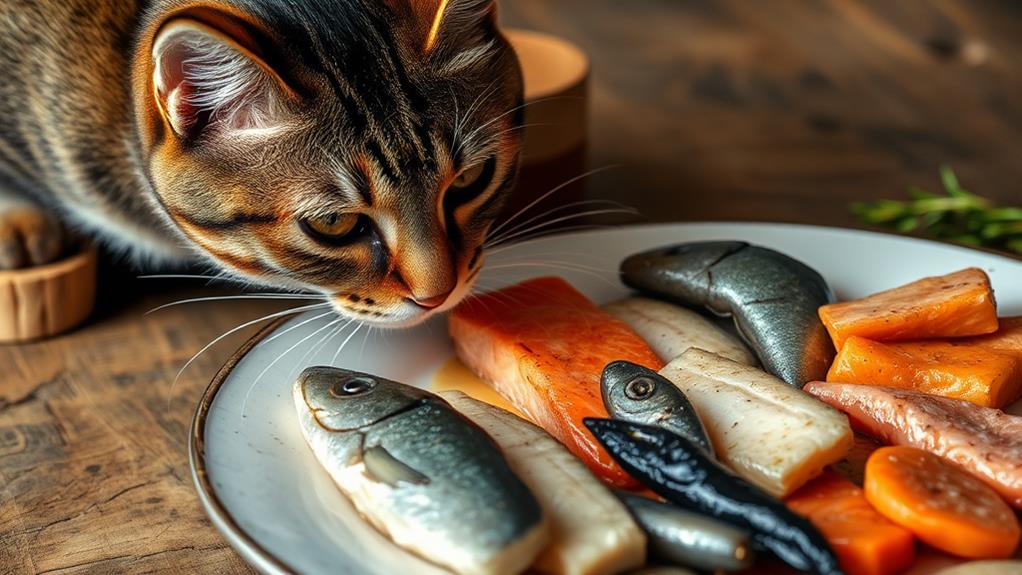
Scales and fins aren’t just for show—fish pack a powerful nutritional punch for our feline friends. As a high-quality protein for cats, fish delivers essential amino acids that support muscle development and overall health. We’re not just talking about gains, though; the omega-3 fatty acids in fish are like nature’s beauty serum, promoting radiant skin and coat health while also easing inflammation.
When it comes to serving up some seafood, we’ve got options. Sardines and tuna are popular choices, but remember to keep it moderate to avoid mercury overload. Cook it up plain—no seasoning needed for these discerning diners. If you’re reaching for the can opener, opt for low-sodium varieties to keep your cat’s feline nutrition on point. With fish in their diet, your fur babies will be swimming in good health!
Recommended Products

FOOD SERVICE SIZE PINK SALMON: Chicken of the Sea canned salmon in the large cans you need for food service; contains high quality cuts of boneless, skinless wild salmon that are perfectly seasoned with a hint of salt and packed in spring water

✅ WHY CHOOSE AMERICAN TUNA: Our canned tuna is sourced from the wild, offering a superior taste and texture compared to farmed alternatives. We employ the most sustainable fishing method, ensuring minimal impact on marine ecosystems and promoting responsible fishing practices. Rest assured that our tuna is dolphin-safe, meeting the stringent standards of the Earth Island Institute to protect marine life. Our unique cooking process involves single-cooking the tuna in its own natural fish oil.

COMPLETE & BALANCED MEAL – With nutrient-dense organ meats, this grain-free diet cat food supports your pets' wellness, ideal as wet cat food for senior cats, adult cats, and kittens.
Turkey: Lean and Nutrient-Dense
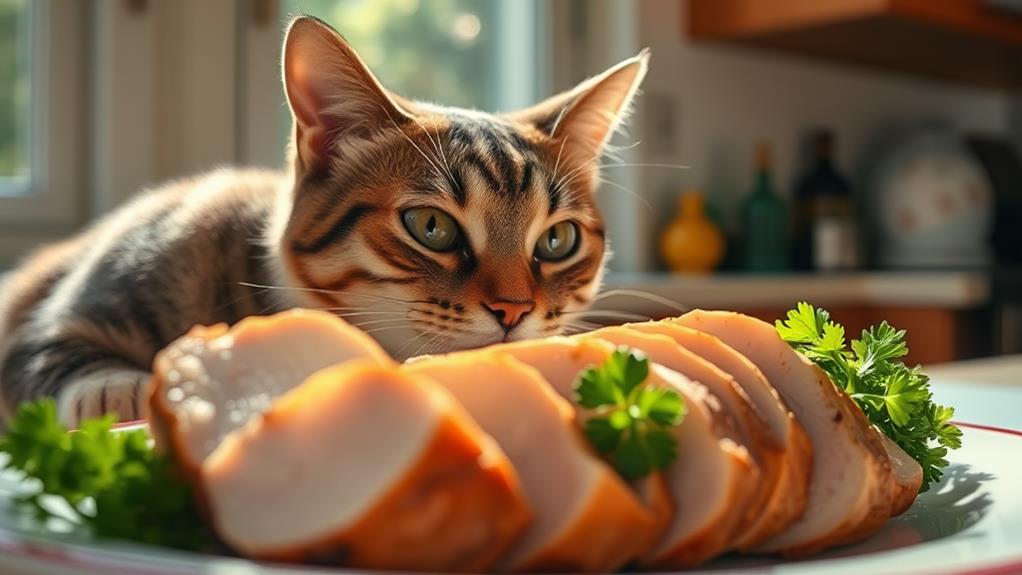
Let’s talk turkey, fellow feline freedom fighters! This lean and nutrient-dense protein source is a fantastic option for our furry friends. Turkey’s high-quality protein content, along with its crucial nutrients, makes it a top choice for maintaining our cats’ health and well-being.
We love turkey because it’s:
- Packed with approximately 28 grams of protein per 100 grams
- Rich in vitamin B6, niacin, and selenium for energy metabolism
- Low in fat, with only about 7 grams per 100 grams
Turkey’s amino acid profile, including tryptophan, supports our cats’ mental health and promotes a calm demeanor. It’s a lean option that helps maintain a healthy weight while providing the necessary nutrients for ideal feline health. When preparing turkey for our cats, we’ll make sure it’s cooked without seasoning to enhance digestibility and avoid any harmful effects.
Recommended Products

REAL BEEF - Imagine a bowl filled with air dried dog food made with real quality beefy goodness. This high protein dog food will have your pup's tail thumping with joy. It's not just real meat air dried dog food; it's a meaty party for their taste buds, crafted with care

WHOLE DUCK NECKS TREATS – Bulk container of dehydrated duck neck chews provides a crunchy, protein-rich snack for dogs and cats. A single-ingredient option for pet parents seeking a simple, long-lasting supply of chews.

MADE IN USA TURKEY DOG FOOD AND CAT FOOD: Our grain free turkey cat food and dog food is sourced from healthy turkeys humanely raised on Indiana family farms. We partner with local farmers to guarantee we are providing your pets with quality dog food turkey flavor. There are absolutely no fillers, preservatives or additives in our turkey cat food. If you're in need of an all-natural meal for your pet, look no further than our natural turkey roll frozen raw dog food and cat food.
Eggs: Nature’s Perfect Protein
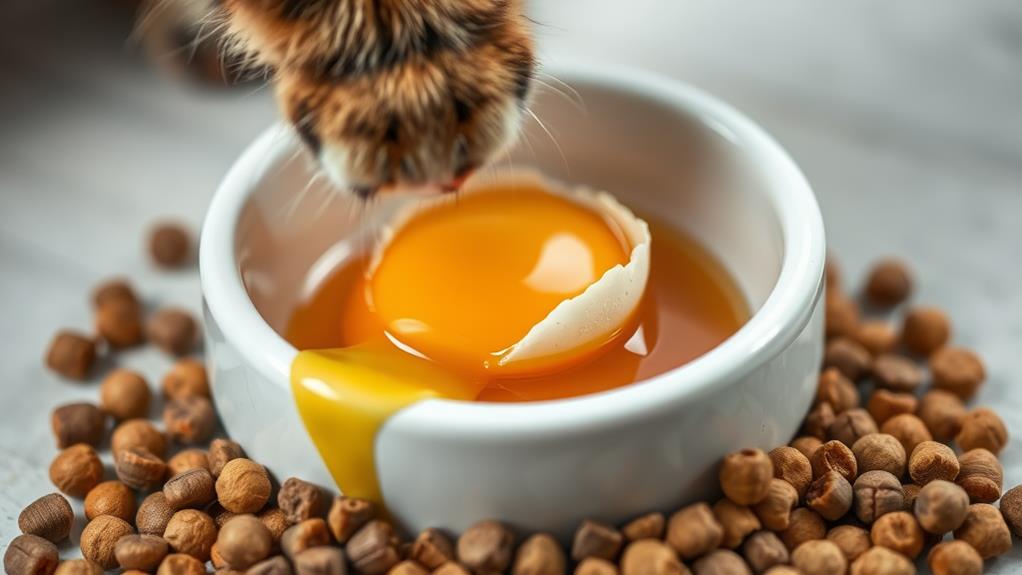
Cracking open the topic of eggs, we find nature’s perfect protein for our feline friends. These little powerhouses are packed with high-quality protein, essential for muscle repair and overall health in cats. With about 6 grams of protein per large egg, they’re a fantastic supplement to your cat’s diet.
But wait, there’s more! Eggs are also rich in essential nutrients like vitamin D, selenium, and riboflavin, supporting your cat’s immune system. However, we can’t just toss a raw egg into their bowl. Cooking eggs is vital to avoid potential salmonella risks and issues with biotin absorption. Always serve them plain and unseasoned to keep things safe for your furry companion.
Recommended Products

Heavy Duty & True to Size – WHITEDUCK’s 40x60 ft poly tarp is designed for durability and tear resistance, ensuring true-to-size coverage. It offers full protection against rain, wind, UV rays, and snow, making it ideal for all-weather use.

CUSTOM FITMENT: 2010-2024 Toyota 4Runner

Antioxidant, Cellular Energy Production and Normal Glucose Metabolism Support Supplement: Contains one 120 count bottle of Jarrow Formulas Alpha Lipoic Sustain With Biotin Tablets for a 60- to 120-day supply.
Organ Meats: Nutrient Powerhouses
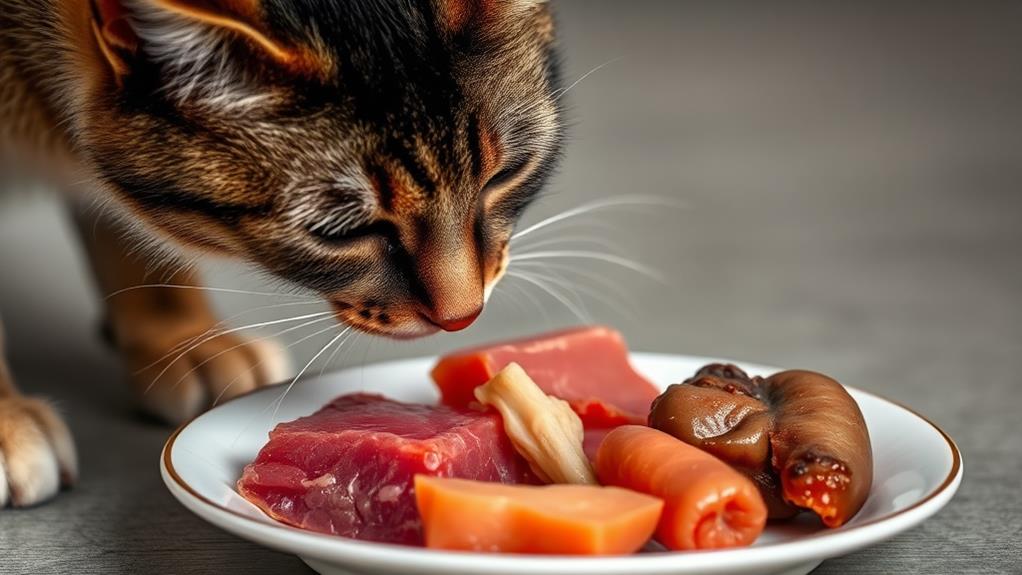
When it comes to nutrient-dense foods for cats, organ meats are unrivaled powerhouses. These natural protein sources are packed with essential vitamins and minerals that support our feline friends’ overall health and immune function. Incorporating organ meats into your cat’s diet in moderation can provide nutritional variety and important nutrients often lacking in standard muscle meat-based diets.
Let’s explore the benefits of three common organ meats:
- Liver: Rich in vitamin A, supporting healthy vision and skin
- Heart: Excellent source of taurine, vital for heart health
- Kidney: Protein-packed with various vitamins and minerals
Recommended Products

Our Super-Food formula provides pets with enzyme-rich dog chews that contain powerful antioxidant protection helping with dog hip and joint issues and many other conditions.

NOT A SEASONING, JUST THE NUTRITION. 100% of the organ meat blend. Nothing but organ blend.

Rabbit: Novel Protein Option
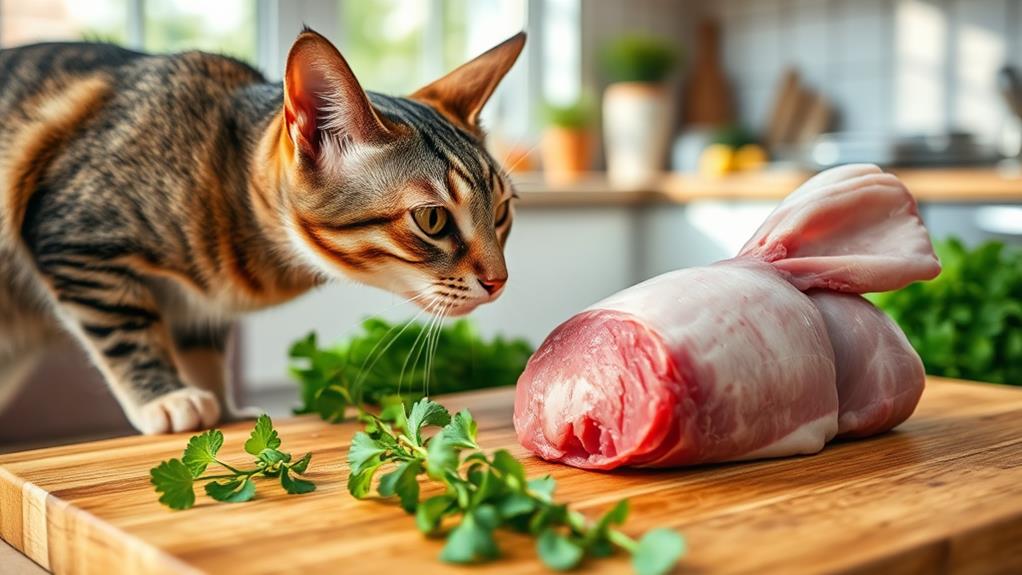
As we explore alternative protein sources for our feline companions, rabbit emerges as an excellent novel option. This lean meat offers a multitude of benefits for our furry friends, especially those with sensitive stomachs or food sensitivities. Rabbit’s status as a novel protein source means it’s less likely to trigger allergic reactions, making it ideal for hypoallergenic diets.
We can’t overlook rabbit’s impressive nutritional profile. It’s highly digestible and packed with essential nutrients, including high-quality protein, vitamins, and minerals that support overall feline health. The lean nature of rabbit meat helps maintain a healthy weight while providing the energy our cats need to thrive. By incorporating rabbit into our cats’ diets, we’re not just feeding them—we’re nourishing them with a protein source that’s both delicious and beneficial for their well-being.
Beef: Red Meat for Cats
As we explore beef as a protein source for cats, let’s consider its nutritional benefits and proper preparation. We’ll examine how this red meat can contribute to a feline’s diet, providing essential nutrients like high-quality protein, iron, and B vitamins. Additionally, we’ll discuss the importance of cooking and serving beef correctly to guarantee it’s safe and beneficial for our feline friends.
Nutritional Benefits of Beef
Beef, a classic red meat option, offers several nutritional benefits for our feline friends. As a high-quality protein source, it provides essential amino acids that cats need for optimal health. We’ll often find that beef is packed with vitamins and minerals, such as vitamin B12, zinc, and iron, which support our cats’ immune function and overall well-being.
When introducing beef to our cats’ diets, we should keep in mind:
- Always serve cooked, unseasoned beef to avoid harmful bacteria
- Choose lean cuts to maintain a healthy weight
- Monitor for allergic reactions, as beef can be a common allergen
While beef can be an excellent addition to meet our cats’ dietary requirements, it’s vital to introduce it gradually. By offering this nutrient-rich protein source, we’re providing our feline companions with a tasty way to fulfill their nutritional needs.
Preparing Beef for Cats
Now that we’ve covered the nutritional benefits of beef, let’s explore how to prepare it safely for our feline friends. When offering beef as a high-protein option for cats, it’s essential to cook it thoroughly to eliminate any risk of bacterial contamination. We recommend using lean cuts, like sirloin or flank steak, to keep our kitties’ waistlines in check. Always serve the beef unseasoned, as added flavors can be harmful to our furry companions.
Before serving, we must remove all bones to prevent choking hazards or internal injuries. It’s wise to introduce beef gradually into our cats’ diets, allowing us to monitor for any allergic reactions or digestive issues. Some cats may have sensitivities to red meat, so we’ll want to keep a close eye on them as they try this protein-packed treat.
Lamb: Tender Protein Alternative
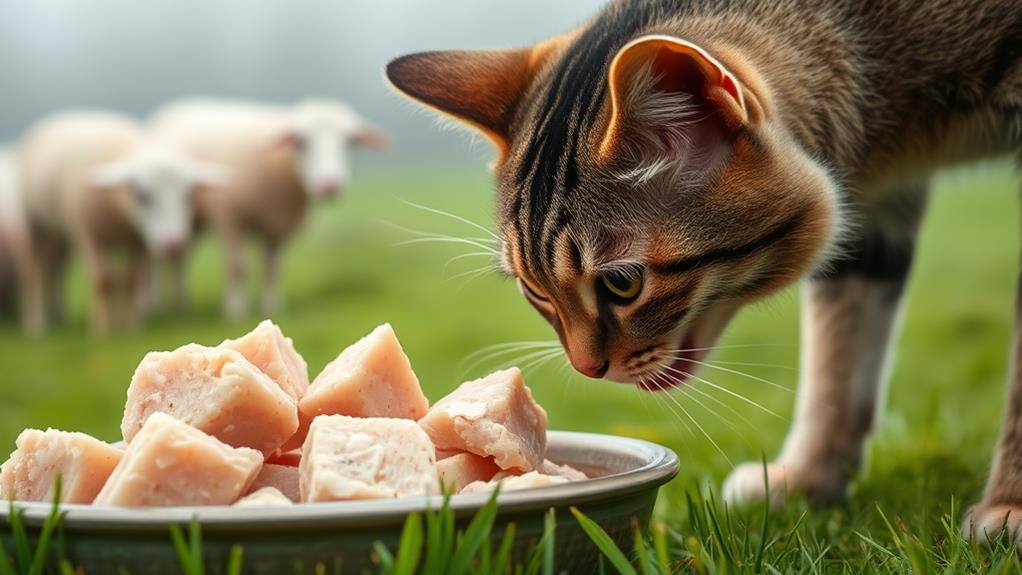
For cat owners seeking alternative protein sources, lamb offers a tender and nutritious option. We’ve found that lamb is an excellent choice for cats with food sensitivities, as it’s less likely to trigger allergic reactions. This novel protein is rich in essential amino acids and nutrients, supporting overall health and energy levels in our feline friends. What’s more, lamb is generally lower in fat compared to other meats, making it ideal for maintaining a healthy weight while still providing high-quality animal protein.
Consider these benefits of incorporating lamb into your cat’s diet:
- Promotes muscle maintenance and growth
- Supports digestive health for cats with sensitive stomachs
- Provides crucial nutrients like zinc, iron, and B vitamins
Frequently Asked Questions
What Is the Healthiest Protein Source for Cats?
We’d say the best protein for cats comes from high-quality animal sources. They’re essential for ideal protein digestion and meeting feline protein requirements. While plant proteins exist, animal proteins offer superior quality and benefits for our furry friends.
How Can I Add More Protein to My Cat’s Diet?
Like adding spice to life, we can jazz up our cat’s protein intake. Let’s explore raw food, protein supplements, homemade meals, high-protein treats, fish and poultry options, organ meats, protein rotation, increased meal frequency, and balanced diets for our feline rebels.
What Protein Is Best for Cats With Sensitive Stomachs?
For cats with sensitive stomachs, we’ve found that easily digestible proteins are key. Let’s explore options like chicken, turkey, or novel sources like rabbit. We’ll help you make dietary adjustments to manage symptoms and improve your feline friend’s gastrointestinal health.
What Proteins Are Cats Least Allergic To?
We’ve seen cats thrive on novel proteins like rabbit and duck. Cats are typically least allergic to these, along with fish proteins and hydrolyzed proteins. Exploring meat alternatives can free your feline from protein allergies and improve digestion.