

You stare at the kitchen counter, watching your diabetic cat stare at the bowl of kibble that looks like a sugary snack, and wonder if you’re feeding the right thing.
You may be interested


The night‑time glucose spikes and the vet’s warning about crystal formation make every feeding feel like a gamble.
What separates a good dry cat food from a bad one is often hidden in the fine print: many brands cram excess carbs into the formula, overlook high‑quality protein sources, or ignore mineral balance that can worsen urinary issues.
This guide reviews three top‑rated dry foods for diabetic cats in 2026, selected based on protein‑to‑carb ratio, ingredient quality, and veterinary endorsement.
By the end you’ll know which product meets the 34 % protein target, stays under 12 % metabolizable energy carbs, and supports urinary health.
Key Takeaways
If you’re trying to keep your diabetic cat’s blood sugar steady, look for a dry food that stays under 12 % metabolizable energy from carbs and hits at least 34 % protein on a dry‑matter basis. You’ll want high‑quality animal proteins like chicken meal or salmon listed first, and steer clear of formulas that lean heavily on soy isolate or grain‑free starch fillers. Adding L‑carnitine, beet pulp, cellulose, and low‑magnesium cranberry helps support metabolism and kidney health.
For anyone who needs a precise calorie count, make sure the kibble’s density matches 20‑30 kcal per kilogram of ideal body weight, and check the kcal per cup so you can portion accurately. You’ll also benefit from a feeding schedule that syncs with insulin shots, letting you track glucose curves and tweak portions as needed.
What makes this dry cat food stand out is its blend of urinary‑support ingredients that keep the kidneys happy while delivering the protein your cat craves. The formula’s low‑carb profile means you won’t have to guess about hidden sugars. It’s a straightforward choice for weight‑loss‑focused diabetic cats.
You get steady energy without the spike‑and‑crash cycle, thanks to the carefully balanced carb level. The protein‑rich mix fuels muscle maintenance, and the fiber blend aids digestion. This keeps your cat feeling full and comfortable between meals.
The “Diabetic Care” kibble solves the problem of erratic blood glucose by delivering a consistent nutrient profile that works hand‑in‑hand with insulin. It’s designed for cats that need a gentle, low‑calorie diet while still enjoying tasty, animal‑based meals.
Perfect for busy pet parents, this food lets you measure portions with confidence and stick to a routine that supports both weight loss and stable glucose. You’ll notice fewer mood swings and more energy in your cat.
You get a reliable, low‑carb option without sacrificing flavor or texture. The kibble’s crunchy bite satisfies your cat’s chewing instinct, and the added L‑carnitine supports healthy metabolism. It’s a practical solution for everyday feeding.
| Pro Plan Purina DM Feline Dry Cat Food – 3.5 lb. Bag |  | Professional Grade | Target Species: Cat | Diet Type: Veterinary diet | Primary Health Focus: Diabetes & glucose management | VIEW LATEST PRICE | Read Our Analysis |
| Hill’s Prescription Diet m/d GlucoSupport Dry Cat Food Chicken 4 lb. Bag |  | Diabetes Specialist | Target Species: Cat | Diet Type: Prescription veterinary diet | Primary Health Focus: Glucose & weight management | VIEW LATEST PRICE | Read Our Analysis |
| Hill’s Prescription Diet Multi-Benefit Dry Cat Food 4 lb |  | Multi‑Benefit Choice | Target Species: Cat | Diet Type: Prescription veterinary diet | Primary Health Focus: Glucose, weight, digestive & urinary management | VIEW LATEST PRICE | Read Our Analysis |
More Details on Our Top Picks
Pro Plan Purina DM Feline Dry Cat Food – 3.5 lb. Bag
If you’re trying to keep your cat’s blood sugar steady, this low‑carb, high‑protein kibble hits the mark. The 3.5 lb bag fits neatly on any pantry shelf and the dry pellets are easy to scoop. Poultry by‑product meal and soy protein isolate give a solid protein boost while keeping carbs low, which helps steady glucose.
For anyone who worries about crystal formation, the St/Ox Defense system works to discourage struvite and calcium oxalate crystals. Antioxidants add a little extra health insurance, so you feel more confident about your cat’s diet. It’s free of common allergens, too.
What makes this cat food stand out is its vet‑formulated blend for all life stages, from kittens to seniors. You get a reliable, no‑frills option for your diabetic feline without a miracle‑cure claim. It’s a straightforward choice that fits everyday feeding routines.
- Target Species:Cat
- Diet Type:Veterinary diet
- Primary Health Focus:Diabetes & glucose management
- Protein Claim:High protein
- Form:Dry kibble (pellet)
- Package Weight:3.5 lb
- Additional Feature:Low carbohydrate formula
- Additional Feature:St/Ox Defense urinary protection
- Additional Feature:Additive‑free kibble
Hill’s Prescription Diet m/d GlucoSupport Dry Cat Food Chicken 4 lb. Bag
If you’re looking for a dry food that keeps your diabetic cat’s blood‑sugar steady, this formula delivers exactly that. The high‑protein chicken base supplies the muscle‑building fuel your cat needs, while the specially tuned carbs help maintain stable glucose levels. You’ll also get antioxidants and arginine that support immune health, and a urinary‑friendly mix that lowers crystal risk.
For anyone who wants a vet‑approved option that’s easy to store, the 4‑lb bag fits nicely on a pantry shelf. You can trust the science behind the label without having to read a dense manual.
What makes this prescription diet stand out is its balance of weight‑loss support and glucose management in a single bowl. You get a convenient, single‑serve solution that fits your cat’s daily routine, and you’ll notice the difference in energy and health.
You get a reliable, clinically backed diet without compromising taste or convenience. The chicken flavor keeps even picky eaters satisfied, and the bag’s size means fewer trips to the store.
The Hill’s Prescription Diet m/d GlucoSupport solves the challenge of managing diabetes at home by combining steady‑release carbs with immune‑boosting nutrients. You can feel confident that you’re giving your cat a product that addresses both blood‑sugar control and overall wellness.
- Target Species:Cat
- Diet Type:Prescription veterinary diet
- Primary Health Focus:Glucose & weight management
- Protein Claim:High protein
- Form:Dry kibble
- Package Weight:4 lb
- Additional Feature:Enriched with arginine
- Additional Feature:Clinically proven antioxidants
- Additional Feature:100% satisfaction guarantee
Hill’s Prescription Diet Multi-Benefit Dry Cat Food 4 lb
If you’re trying to keep your diabetic cat’s weight in check while supporting her urinary health, this chicken‑flavored kibble does the job. The low‑calorie formula helps her stay trim, and the added L‑carnitine aids fat metabolism and lean muscle development. A blend of soluble and insoluble fiber promotes smooth digestion, and the reduced magnesium and sodium protect the urinary tract.
For anyone who wants a vet‑approved solution, you’ll need a prescription, but the benefit is a balanced diet that tackles weight, glucose, digestion, and urinary concerns all at once. You get a multi‑benefit choice without compromising flavor.
What makes this prescription diet stand out is its focus on metabolic health—L‑carnitine supports fat burning, while the fiber mix keeps her stomach happy. The low‑calorie profile ensures she doesn’t gain extra pounds, and the reduced minerals help prevent urinary issues.
You get a therapeutic cat food that addresses multiple health needs, and you can feel confident knowing it’s the #1 vet‑recommended option in the U.S. Just remember to check with your vet before purchasing.
- Target Species:Cat
- Diet Type:Prescription veterinary diet
- Primary Health Focus:Glucose, weight, digestive & urinary management
- Protein Claim:High protein
- Form:Dry kibble
- Package Weight:4 lb
- Additional Feature:Therapeutic L‑carnitine levels
- Additional Feature:Low‑calorie, high‑fiber blend
- Additional Feature:Reduced magnesium & sodium
Factors to Consider When Choosing Dry Cat Food for Diabetic Cats
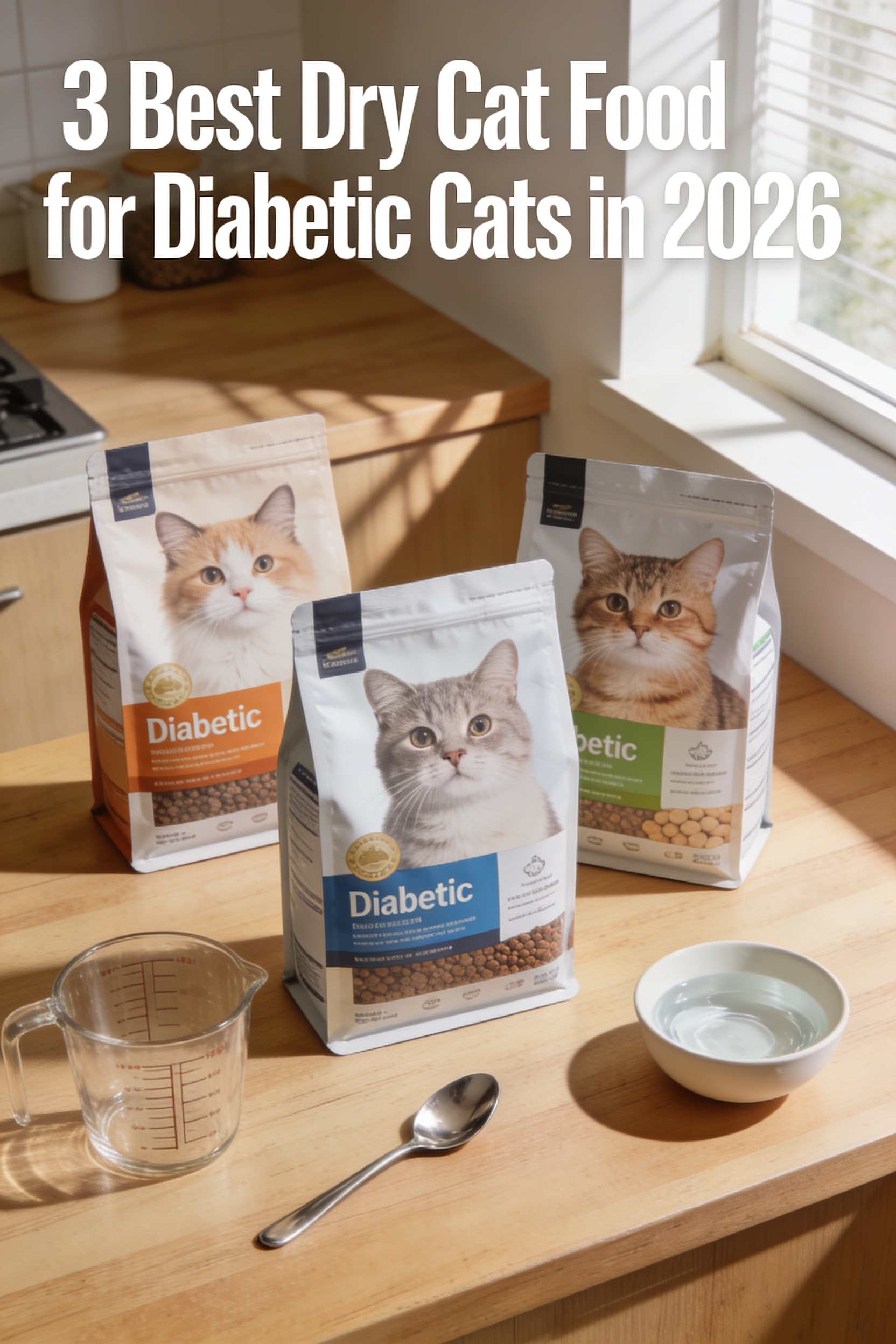
If your diabetic cat needs steady blood sugar, look for a food that keeps carbs low and packs high‑quality protein like chicken or fish. This protein focus helps your cat’s glucose stay balanced throughout the day.
For anyone who worries about weight, choose a formula with modest calorie density so your cat can stay trim and healthy.
What makes this dry cat food stand out is the inclusion of urinary‑support ingredients such as cranberries or beet pulp, which help maintain a healthy urinary tract.
You get real, wholesome ingredients without cheap fillers that could trigger spikes.
Perfect for pet owners who demand transparency, this brand skips unnecessary additives and delivers a clean, nourishing meal every time.
Low Carbohydrate Content
If you’re worried that most dry cat foods are basically a carbohydrate buffet, you’ll want something that keeps carbs low for your diabetic kitty. Low‑carb means no more than 10–12 % of metabolizable energy from carbs, so you can avoid spikes in blood sugar. Look for formulas that swap starches for high‑protein ingredients like chicken meal, turkey, or salmon, and add healthy fats from fish oil or chicken fat.
For anyone who has tried “grain‑free” labels only to discover hidden carbs in pea protein, this approach saves you from that surprise. The key is to calculate the carb percentage yourself or ask the manufacturer, because the guaranteed analysis can be misleading.
What makes this low‑carb cat food stand out is its focus on protein and fat, not filler. You get a diet that supports steady glucose levels while still tasting great to your cat.
You get the benefit of a balanced, low‑carb diet without sacrificing flavor or nutrition.
The perfect target varies, so talk to your vet about your cat’s insulin plan, weight, and any other health concerns. This conversation helps you fine‑tune the diet to your pet’s specific needs.
Perfect for busy pet parents, this low‑carb formula lets you feed confidently, knowing you’re minimizing carbs while delivering essential nutrients.
High Protein Levels
If you’re trying to keep your cat’s blood sugar steady, a high‑protein dry food can make a big difference. You’ll notice that protein hardly raises glucose, unlike carbs, so aiming for a diet where 30‑40 % of calories come from real meat—think chicken, turkey, or salmon—helps your cat stay fuller longer and maintain lean muscle. Those amino‑rich meals also support smoother insulin function, which is key for diabetic cats.
For anyone who wants to avoid mystery fillers, look for a formula that lists meat first and skips isolated soy. You’ll benefit from essential arginine and taurine, nutrients cats can’t produce on their own, and you’ll keep your cat’s kidney health in check while trimming excess calories.
What makes this high‑protein cat food stand out is its simple, transparent ingredient list that focuses on quality protein sources. You can shift your cat’s diet gradually and keep your vet in the loop for glucose monitoring and insulin adjustments. Pick a brand with clear meat‑first labeling, and you’ll be on the right track.
Controlled Calorie Density
If you’re trying to keep your cat’s blood sugar steady, watching the calorie density of the dry food is a must. You’ll notice that a few extra calories can tip the balance, especially when insulin doses are set for a specific target. Aim for a formula that lists kcal per cup or per 100 g, and use that number to match your cat’s daily goal—typically 20–30 kcal per kilogram of ideal weight for overweight diabetics, adjusted by your vet. Lower‑calorie, nutrient‑dense kibble—high protein, moderate fat—lets you keep portions steady while promoting gradual weight loss. Consistency matters, so pick a brand that keeps its kcal per serving stable across batches. If you need a higher‑calorie option for weight gain, do it only under veterinary guidance to avoid hyperglycemia. All right, calculate, measure, and stick to the plan; your cat’s glucose will thank you.
Urinary Health Support
If you’re trying to keep your diabetic cat’s urine in a healthy range, you’ll want a diet that nudges pH toward 6.0‑6.5. Look for formulas that include acid‑balancing ingredients like cranberry extract or DL‑methionine. They help maintain that sweet spot without extra hassle.
For anyone who worries about crystal formation, low‑magnesium and low‑calcium blends are key. Excess magnesium can spark struvite crystals, while too much calcium nudges oxalate stones. Choose a product that keeps those minerals in check.
What makes this cat food stand out is its modest sodium level—just enough to promote urine dilution but not so much that the diet becomes salty. This balance helps keep urine concentration steady.
You get extra fiber from soluble beet pulp and insoluble cellulose, which also helps control glucose spikes. The fiber works behind the scenes to support both blood sugar and urinary health.
Perfect for busy pet parents, this diet can be mixed with water or paired with wet food to boost moisture intake. Adding extra liquid encourages your cat to drink more, which is essential for kidney health.
The [product name] solves urinary upset by combining acid‑balancing botanicals, low‑mineral content, and a touch of sodium. It’s a simple way to give your cat the support it needs.
Regular urinalysis will tell you if the tweaks are working, so you can stay confident that your cat’s pee stays happy.
Ingredient Quality Assurance
If you’re trying to keep your diabetic cat’s blood sugar steady, start with the guaranteed analysis. Look for at least 34 % protein and 30 % or fewer carbs on a dry‑matter basis. This gives you a solid nutritional baseline.
For anyone who reads ingredient lists, prioritize high‑quality animal proteins like chicken meal or salmon near the top. Simple starches and sugars should sit far down, keeping the formula lean. This helps you avoid hidden carbs that can spike glucose.
What makes this dry food stand out is its fiber profile and added L‑carnitine. The right amount of fiber supports healthy digestion, while L‑carnitine aids metabolism. You’ll see a gentler glycemic response.
You get AAFCO compliance without guessing. The statement shows the formula meets recognized nutrient profiles. It’s a quick way to verify the food is balanced.
The product also passes third‑party checks such as lot testing, HACCP, or GMP compliance. These standards cut contamination risk. You can trust the quality is consistent batch after batch.
Veterinary Prescription Guidance
If you’re trying to control your diabetic cat’s blood sugar, start with a vet‑approved dry food that’s high in protein and low in carbs. You’ll want a clear feeding schedule that lines up with your cat’s insulin shots, so ask your vet for the exact protein‑to‑carb ratio. A target calorie range and a realistic weight‑loss goal can make a big difference—shedding a few pounds often improves insulin sensitivity.
For anyone who worries about hidden carbs, keep treats and supplements in check; even a tiny addition can throw off the balance, so run anything new by your vet first. You’ll need regular glucose curves or blood‑glucose checks so the vet can adjust insulin as you switch foods. This approach keeps the glycemic response predictable and your cat feeling steady.
What makes this diet plan stand out is the focus on consistency—matching food intake to insulin timing helps avoid spikes. You get a simple, vet‑guided plan without the guesswork of trial‑and‑error. The result is a calmer cat and fewer emergency vet visits.
Frequently Asked Questions
Can Diabetic Cats Eat Wet Food With Dry Meals?
You can feed wet food alongside dry meals, but keep carbs low and portions controlled. I’m sure you’ve noticed wet cans often list chicken, salmon, or turkey as the first protein, which is great for blood‑sugar stability. All right, choose a wet formula with under 5% carbs, no corn or wheat, and pair it with a dry kibble that lists real meat first. Now, monitor your cat’s weight and glucose; if spikes appear, cut back or switch to a lower‑glycemic option. I mean, it’s a balancing act, not a magic fix.
How Often Should I Rotate My Cat’s Diabetic Diet?
You should rotate your cat’s diabetic diet every four to six weeks, giving each formula enough time to show how it affects blood sugar and weight. I’m sure you’ve noticed cats can get picky, so switching too often may stress them, but a steady schedule lets you spot trends. All right, pick three high‑protein, low‑carb foods—like a turkey‑based kibble with added taurine, a salmon‑rich blend, and a chicken‑and‑pumpkin mix—and rotate them in that window. Now, keep a log of glucose readings, and adjust if any brand spikes levels. I mean, it’s not science, but it helps you stay ahead.
Do Grain‑Free Formulas Affect Blood Sugar Control?
You’ll find grain‑free formulas don’t magically tame blood sugar, but they can help some cats. I’m sure you’ve noticed carbs spike glucose, so cutting wheat, corn, or rice reduces those quick carbs. All right, look for high‑quality protein like chicken, turkey, or salmon, plus fiber from beet pulp or chicory root. Now, keep an eye on the glycemic index—some grain‑free blends still hide starches. I mean, it’s not a cure‑all; monitor your cat’s glucose and adjust portions accordingly.
What’s the Ideal Feeding Schedule for Insulin‑Treated Cats?
A steady, twice‑daily rhythm works best. Feed at breakfast and dinner, spacing meals about 12 hours apart, and give the dose right before the first meal. If you split the insulin into two injections, align each with a meal to smooth glucose spikes. Adjust timing if your cat’s activity changes, but keep the pattern consistent—your cat will learn the schedule, and you’ll see steadier blood‑sugar control.
Can I Add Supplements Without Altering Carbohydrate Content?
You can add supplements, but you must pick ones that don’t bring extra carbs. Choose pure fish oil, taurine, or a low‑carb multivitamin that lists “zero carbs” on the label. All right, check the ingredient list for added sugars, maltodextrin, or grain fillers. If you’re unsure, weigh the supplement before mixing it in—just a pinch won’t tip the carb count. Remember, keep the total daily carbs under your cat’s target.


